Cancer Survivorship • Aerobic Exercise • Recovery
Aerobic Exercise and Life After Cancer: Rebuilding Strength and Energy 🚶♀️
Gentle, consistent aerobic movement can help cancer survivors restore energy, improve mood, and rebuild physical and emotional resilience after treatment.
Quick answer: Aerobic exercise—such as walking, cycling, or swimming—may support recovery, improve cardiovascular health, and enhance well-being after cancer treatment.
Life After Cancer Treatment
For many people, the end of active treatment marks the beginning of survivorship—a time of rebuilding strength, confidence, and daily routines after months or years of care.
Definition: Aerobic exercise refers to sustained physical activity that increases heart rate and breathing—such as walking, cycling, or swimming—supporting cardiovascular and overall health.
Movement can play an important role in this process. Even gentle aerobic activity may help improve circulation, energy levels, and emotional well-being.
Did you know? Many survivorship guidelines recommend regular, moderate physical activity to support recovery and quality of life after cancer.
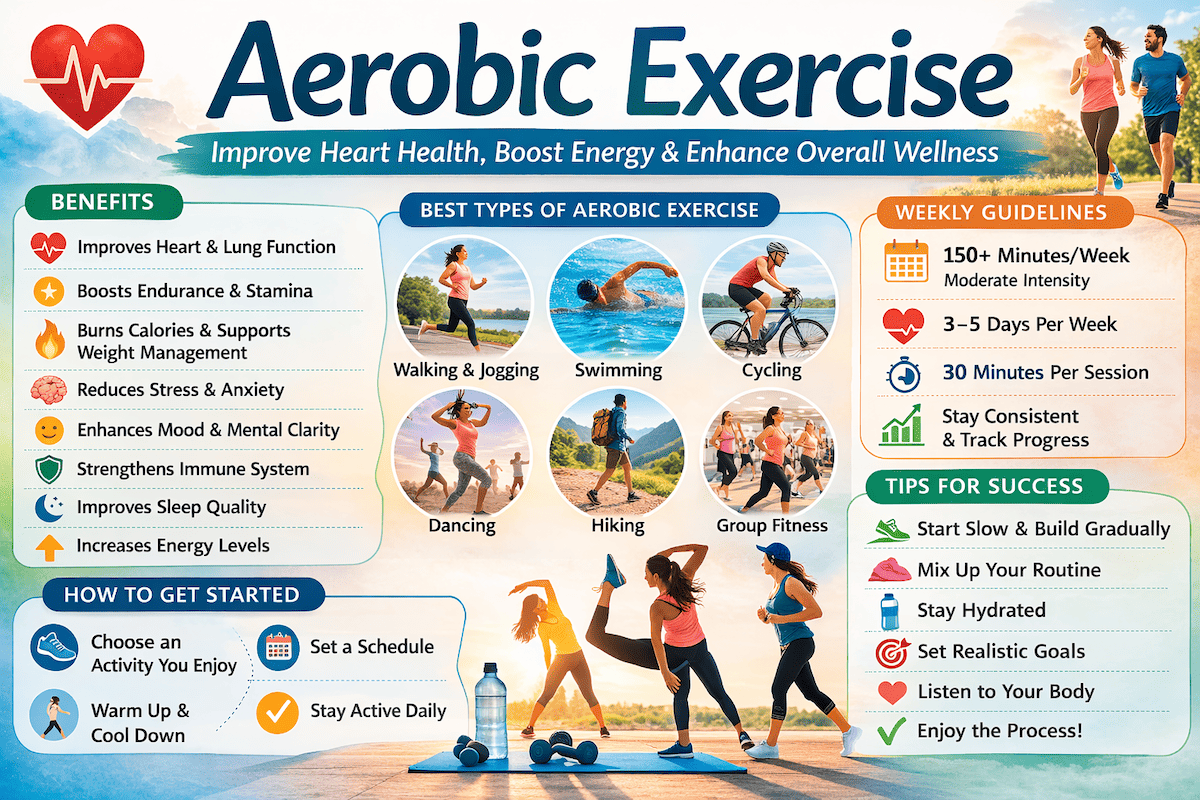
Activities such as walking, cycling, and swimming can help individuals reconnect with their bodies while gradually rebuilding endurance and strength.
For some, combining movement with nature—such as quiet walks or time in green spaces—can provide both physical and emotional benefits during recovery.
This page explores how aerobic exercise can support life after cancer, including practical options, safety considerations, and ways to build a sustainable routine.
Growing To Give does not provide medical advice, diagnosis, or treatment. The information shared is for educational and community-support purposes only. Always consult a qualified healthcare professional before starting or changing an exercise program.
Why Aerobic Exercise Matters
Aerobic exercise refers to any activity that raises the heart rate and breathing for a sustained period of time. These activities engage the cardiovascular system and help deliver oxygen to muscles throughout the body. For people living with and beyond cancer, aerobic movement can become a gradual pathway back toward strength, endurance, and everyday function.
Research in cancer survivorship increasingly explores how lifestyle factors—including physical activity—may influence overall health outcomes. While exercise is not a cure for cancer and cannot replace medical treatment, regular activity can support many aspects of health that are important during recovery and long-term wellness.
Consistent aerobic movement may:
• support cardiovascular fitness and endurance, helping daily tasks feel easier;
• help regulate blood sugar and body weight when combined with balanced nutrition;
• support mood and stress management;
• improve sleep quality and daytime energy;
• promote independence and functional mobility.
Many cancer survivors describe movement as a way to rebuild trust in their bodies after treatment. Even short periods of activity—such as a 10-minute walk—can create a sense of progress and empowerment.
Research and Guidelines
Guidelines for physical activity in cancer survivorship are informed by research from organizations such as the American Cancer Society and the American College of Sports Medicine. These groups emphasize that safe, consistent physical activity may improve fatigue, physical function, and overall quality of life for many survivors.
What Research Is Exploring
Scientists are continuing to investigate how physical activity may relate to cancer outcomes. Some population studies suggest that individuals who maintain regular physical activity after diagnosis of certain cancers tend, on average, to experience better overall health and may have lower recurrence risks compared with those who remain sedentary.
These findings describe statistical trends across large groups of people rather than guarantees for any one individual. Exercise is one component of a broader survivorship plan that includes follow-up medical care, recommended screenings, nutrition, stress management, and emotional support.
Many survivors also report that gentle movement helps manage lingering treatment side effects. Activities such as walking, cycling, or water exercise may help reduce stiffness, maintain muscle strength, and improve stamina. Over time, these small improvements can help individuals feel more capable of participating in daily life.
Emotional resilience can also play a role in recovery. Practices that promote optimism and mental well-being—such as positive thinking, mindfulness, and supportive relationships—often work alongside physical activity to support a balanced survivorship lifestyle.
Benefits of Regular Exercise vs Sedentary Lifestyle
| Health Factor |
Regular Aerobic Exercise |
Sedentary Lifestyle |
| Cardiovascular Health |
Improves heart strength and circulation |
Higher risk of heart disease |
| Energy Levels |
Improves stamina and reduces fatigue |
Chronic fatigue and low energy |
| Mental Health |
Reduces anxiety and depression |
Higher stress and mood instability |
| Metabolic Health |
Improves blood sugar regulation |
Higher risk of insulin resistance |
| Mobility |
Maintains strength and independence |
Muscle loss and decreased mobility |
Even moderate exercise—performed consistently—can produce meaningful benefits over time.
Practical Aerobic Exercise Options
Different people prefer different forms of movement. The most effective activity is often the one that feels enjoyable and sustainable. Survivors may experiment with a variety of aerobic options to find what fits their body and lifestyle.
Walking: One of the most accessible forms of aerobic activity. Many individuals begin with 10–15 minutes per day and gradually increase their pace or distance.
Cycling: Whether outdoors or on a stationary bike, cycling provides cardiovascular benefits while reducing impact on joints.
Swimming or Water Aerobics: Water exercise provides gentle resistance while reducing strain on joints and connective tissue.
Dancing or Group Fitness Classes: Social exercise environments can increase motivation while also supporting emotional well-being.
Gardening can also be a surprisingly effective form of light aerobic activity. Community programs such as gardens for veterans and therapeutic initiatives like gardening and addiction recovery demonstrate how working with plants can support both physical activity and emotional healing.
Similar nature-based healing environments are explored through addiction recovery therapeutic gardens, where structured outdoor activities support personal wellness and recovery.
How Much Exercise Is Recommended?
Many health organizations reference general public-health guidelines for aerobic activity. These often suggest:
• about 150 minutes per week of moderate-intensity aerobic exercise such as brisk walking;
• or about 75 minutes per week of vigorous activity such as running or fast cycling;
• or a combination of moderate and vigorous activity spread across several days.
These numbers should be viewed as general goals rather than strict rules. Individuals recovering from cancer may need to begin with shorter sessions and gradually increase duration and intensity based on their health and medical guidance.
Staying Safe While Exercising
Because every cancer journey is different, exercise should always be tailored to the individual's current health status and treatment history. Safety and gradual progress are key.
• Start slowly and increase activity levels gradually.
• Consult healthcare providers before beginning new exercise routines.
• Work with physical therapists or oncology rehabilitation specialists when possible.
• Pay attention to symptoms such as dizziness, unusual shortness of breath, or chest pain.
• Modify activities if you have lymphedema, neuropathy, bone fragility, or heart conditions.
Consistency is often more valuable than intensity. Gentle, regular movement may provide greater long-term benefits than occasional strenuous workouts.
Mental and Emotional Benefits of Movement
Aerobic exercise supports more than physical strength. Movement also influences emotional health and resilience. Physical activity can stimulate endorphins—chemicals in the brain that help regulate mood and reduce stress.
For many survivors, exercise becomes a daily practice of self-care. A quiet walk in nature, a swim at a local pool, or a slow bike ride can create moments of calm and reflection during an otherwise stressful period of life.
Supportive communities also play an important role in recovery. Programs such as cancer support programs help individuals connect with others who understand the emotional and practical challenges of living with and beyond cancer.
Movement, nature, positive mindset practices, and supportive communities together form a foundation for long-term wellness and resilience.
Building a Sustainable Routine
The goal of aerobic exercise in survivorship is not perfection—it is sustainability. Small, consistent habits often create the greatest long-term impact. Starting with short walks, gradually increasing activity levels, and choosing activities that bring enjoyment can help transform exercise from a medical recommendation into a meaningful lifestyle practice.
Movement cannot control every aspect of health, but it can provide individuals with a sense of participation in their own healing journey. Combined with medical care, supportive relationships, and healthy daily habits, aerobic exercise can become one valuable piece of life after cancer.

.png)
.png)
.png)

.png)