Heirloom Vegetables and Seed Saving: Protecting Our Food Heritage and Biodiversity
Discover how heirloom vegetables and seed saving preserve genetic diversity, strengthen climate resilience, and protect the future of food through sustainable farming and community seed systems.
Vanishing Veggies: A Race Against Extinction of the Food We Eat 🌱
Heirloom vegetables are disappearing as modern agriculture favors uniform crops—threatening biodiversity, flavor, and the resilience of our global food system.
Quick answer: Many traditional vegetables are vanishing due to industrial farming, but saving heirloom seeds and growing diverse crops helps protect biodiversity and future food security.
What Are Heirloom Vegetables?
Heirloom vegetables are traditional plant varieties passed down through generations using open-pollinated seed saving. These crops maintain genetic diversity, regional adaptability, and unique flavors that are often lost in modern hybrid systems.
Definition:Heirloom vegetables are open-pollinated plant varieties preserved through seed saving, valued for their genetic diversity, resilience, and cultural heritage.
For centuries, farmers and gardeners selected and saved seeds from the best-performing plants, creating crops uniquely adapted to local climates and growing conditions.
Did you know? Over the past century, the world has lost a significant percentage of its agricultural crop diversity, making food systems more vulnerable to pests, disease, and climate change.
Today, many heirloom vegetables are disappearing as industrial agriculture prioritizes uniformity, shelf life, and high yields. This shift has reduced the diversity of crops grown and consumed worldwide.
Preserving heirloom varieties through seed saving and conservation farming helps maintain biodiversity, protect cultural food traditions, and strengthen resilient food systems—especially in the face of
climate change.
By growing and sharing diverse crops, individuals and communities can play an active role in protecting the future of food and ensuring that these valuable plant varieties are not lost.
Examples of Heirloom Vegetables Worth Preserving
Variety
Type
Why It Matters
Rowsham Park Hero Onion
Onion
Traditional onion variety valued for flavor, storage potential, and seed-saving heritage.
Bath Cos Lettuce
Lettuce
Historic romaine-type lettuce known for crisp texture and heritage garden value.
Aunt Nettie’s Giant Roma
Tomato
Large paste tomato prized for rich flavor, canning quality, and family seed lineage.
Black Altai Tomato
Tomato
Early dark heirloom tomato valued for flavor, resilience, and unique color.
Arbruznyi Beefsteak Tomato
Tomato
Distinctive beefsteak heirloom with strong flavor and unusual striping.
Macedonian Sweet Pepper
Pepper
Regional heirloom pepper preserved for sweetness, productivity, and culinary heritage.
Boldog Hungarian Spice Pepper
Pepper
Traditional paprika-type pepper important for spice production and regional food culture.
King of the Ridge Cucumber
Cucumber
Heirloom cucumber valued for productive vines, fresh eating, and garden diversity.
Rare heritage squash tied to seed preservation, cultural history, and crop diversity.
Colossal Leek
Leek
Large heirloom leek appreciated for size, flavor, and traditional kitchen use.
Egyptian Walking Onion
Onion
Unusual perennial onion that multiplies easily and preserves old garden genetics.
Long Surrey Red Carrot
Carrot
Historic red carrot variety important for color diversity and heritage seed saving.
Copper Kettle Parsnip
Parsnip
Traditional parsnip valued for root quality, flavor, and old-world food heritage.
Loos Tennis Ball Lettuce
Lettuce
Compact historic lettuce variety preserved for garden diversity and heritage appeal.
Blue Coco Climbing French Bean
Bean
Climbing heirloom bean known for productivity, striking pods, and seed-saving value.
Gravedigger Pea
Pea
Rare heritage pea associated with regional history and resilient home-garden production.
Champion of England Pea
Pea
Classic heirloom pea treasured for flavor, vigor, and long-standing garden popularity.
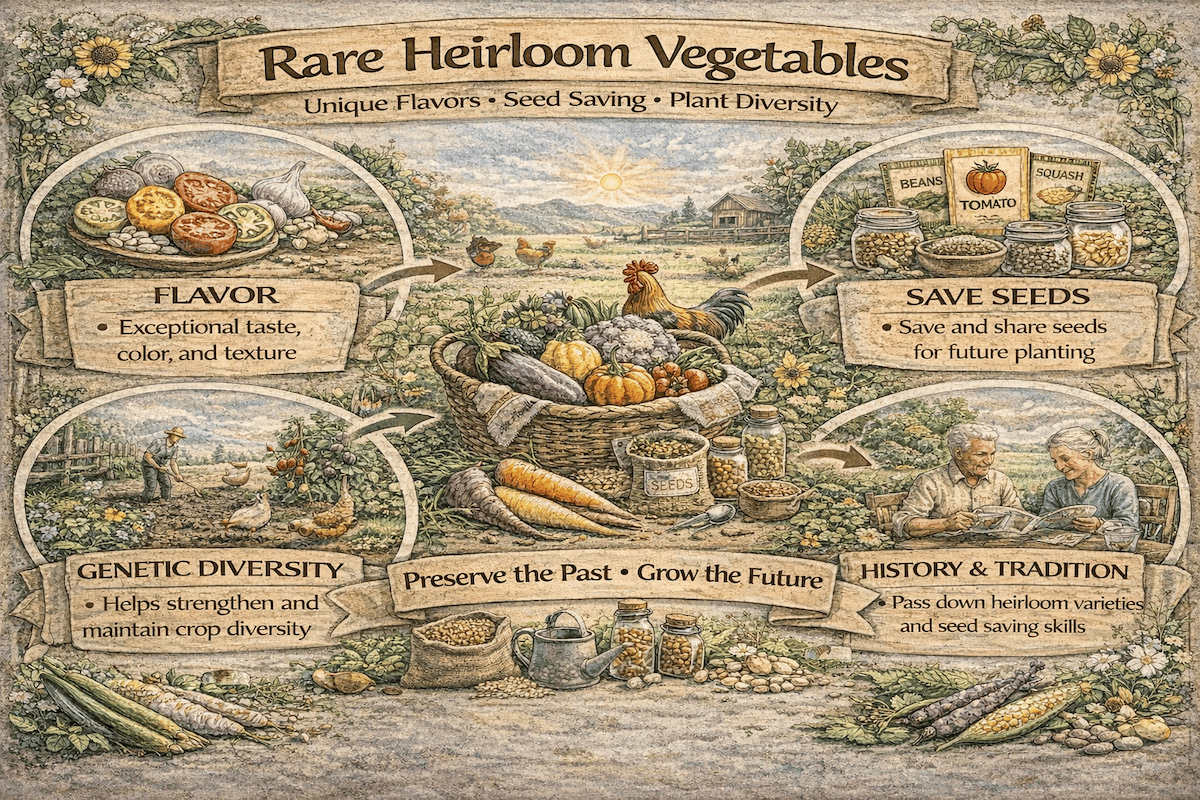
Share This Infographic
You are welcome to share this infographic on your website or blog.
Please include a link back to this page as the source.
The Role of Conservation Farming - Seed Banks
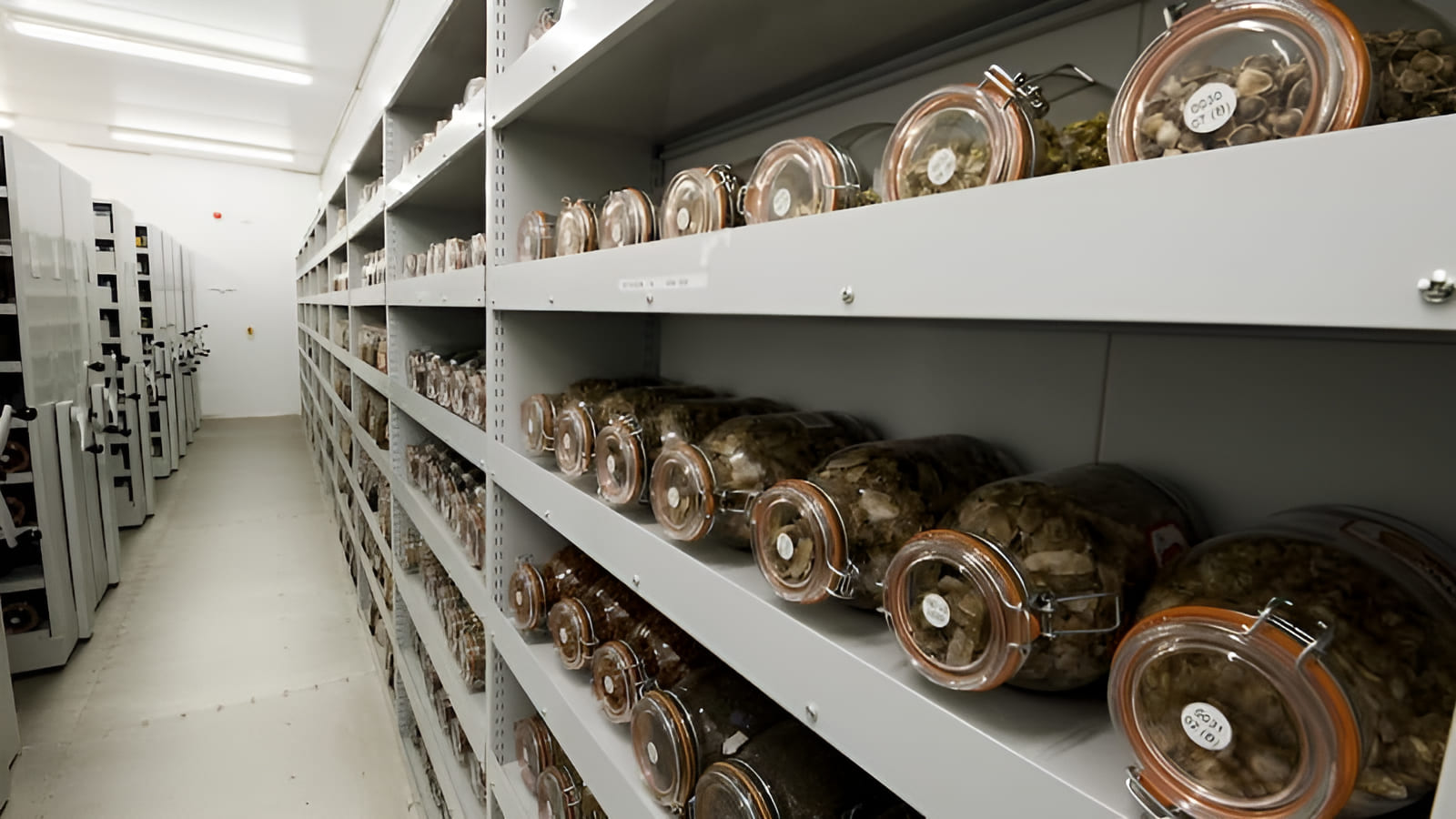
Conservation farming, a relatively new field, plays a crucial role in preserving vegetable diversity. One of the key tools in conservation farming is the establishment of seed banks. Seed banks serve as repositories for heirloom and rare vegetable seeds, protecting them from extinction. These banks collect, store, and distribute seeds, ensuring their availability for future generations. By safeguarding the genetic diversity of vegetables, seed banks contribute to a resilient and sustainable food system that will be there for generations to come.
The Impact of Climate Change on Vegetable Diversity
Climate change poses a significant threat to vegetable diversity. Rising temperatures, changing rainfall patterns, and extreme weather events disrupt the delicate balance of ecosystems, affecting the growth and survival of different vegetable varieties. Some traditional vegetables may struggle to adapt to these new conditions, putting them at risk of extinction. It is vital to understand and mitigate the impact of climate change on vegetable diversity to safeguard our food security.
The Race Against Extinction: Identifying Vegetables at Risk
The race against the potential extinction of vegetables is an increasingly important aspect of global conservation efforts. This task involves a collaborative approach where researchers, agricultural experts, farmers, and seed banks work together to identify vegetable varieties that are facing the threat of extinction. The process involves assessing various factors that contribute to a vegetable's vulnerability.
As mentioned, one of the key factors is genetic diversity, which determines a vegetable's ability to adapt to changing environmental conditions and resist diseases. Another crucial aspect is adaptability, which refers to how well a vegetable can cope with environmental stresses like climate change, pests, and diseases. Market demand also plays a significant role; vegetables with low commercial demand are often neglected and are at higher risk of being lost. The prioritization in conservation efforts is crucial to ensure that resources are directed towards preserving the most vulnerable varieties.
For example, consider the case of the heirloom tomato varieties, which have a rich genetic diversity but are often overlooked in favor of commercially popular breeds. Similarly, ancient grains like amaranth, once a staple in certain cultures, are now at risk due to reduced cultivation and market demand. Another example is the native varieties of corn in Mexico, which are losing ground to genetically modified and high-yield varieties. Root vegetables such as the Oca from South America face extinction threats due to limited cultivation outside their native regions. The European Bladder Cherry, known for its unique flavor, struggles to survive amidst modern agricultural practices. The African Horned Cucumber, with its distinct taste and nutritional value, is another vegetable that is under threat as its cultivation is limited and often overshadowed by more popular fruits.
Conservation Efforts: Seed banks and Heirloom Seed Preservation
Seed banks, as mentioned earlier, are at the forefront of vegetable conservation efforts. These institutions collect and store seeds from diverse vegetable varieties, ensuring their availability for future generations. Additionally, farmers and home gardeners play a crucial role in heirloom seed preservation. By saving seeds from open-pollinated vegetables and sharing them, individuals contribute to preserving rare and unique vegetable varieties.
The Forgotten Flavors: Rediscovering Extinct Vegetables
Vegetable varieties that once thrived around the planet but are no longer part of our diets. The loss of these vegetables often results from factors such as industrial farming practices, shifts in consumer preferences, and ecological changes. For instance, the Talpiot tomato, a unique variety once grown in the Middle East, vanished due to its inability to compete with commercially viable hybrids.
Similarly, the Sicilian Purple cauliflower, known for its vibrant color and distinct taste, faded away as standard white varieties gained dominance.
Another example is the Skirret, a sweet root vegetable popular in medieval Europe, which lost its appeal with the introduction of the potato.
The Blue Bean of Egypt, a legume with a striking appearance and robust flavor, disappeared as it could not withstand modern agricultural practices and climate changes.
Lastly, the Pearl Onion of Brittany, prized for its delicate flavor, became extinct due to the labor-intensive process required for its cultivation.
The resurgence of these extinct vegetables through genetic engineering, however, is a beacon of hope and a testament to the dedication of conservationists. Seed banks play a pivotal role in this revival, safeguarding seeds and genetic material that allow for the genetic reintroduction of these lost varieties.
Researchers contribute by studying the historical cultivation practices and environmental needs of these vegetables, facilitating their successful reintegration into the world.
Farmers are also essential in this process, as they experiment with and adopt the cultivation of these genetically revived vegetables. Rediscovering these flavors is not just about adding variety to our plates; it's about reconnecting with our cultural and agricultural heritage, promoting biodiversity, and offering a counterpoint to the homogeneity of mass-produced vegetables.
The movement towards reviving extinct vegetables encourages a more sustainable and diversified approach to agriculture, reminding us of the richness and depth of flavors that were once an integral part of human diets.
Promoting Awareness and Consumer Demand for Rare Vegetables
Promoting awareness and consumer demand for rare vegetables is crucial for their preservation. Educating the public about the importance of biodiversity, the value of heirloom vegetables, and the threats they face can help create a market for these unique varieties. Chefs, food enthusiasts, and community organizations can play a role in popularizing rare vegetables through cooking demonstrations, community gardens, and farm-to-table initiatives.
Individuals can also make a difference in vegetable conservation by taking simple yet impactful actions in their own home gardens.
The vanishing of our heritage vegetables is not an inevitability. By recognizing the importance of preserving vegetable diversity, supporting conservation farming practices, and promoting consumer demand for rare vegetables, we can ensure the survival of these crucial components of our food heritage. Let’s spread the seeds of hope in the race against extinction and take action to preserve our vanishing veggies for generations to come.

.png)
.png)
.png)

.png)