Veterans • Therapeutic Gardens • Community Healing
Gardens for Veterans: Healing, Purpose, and Community Through Growing 🇺🇸
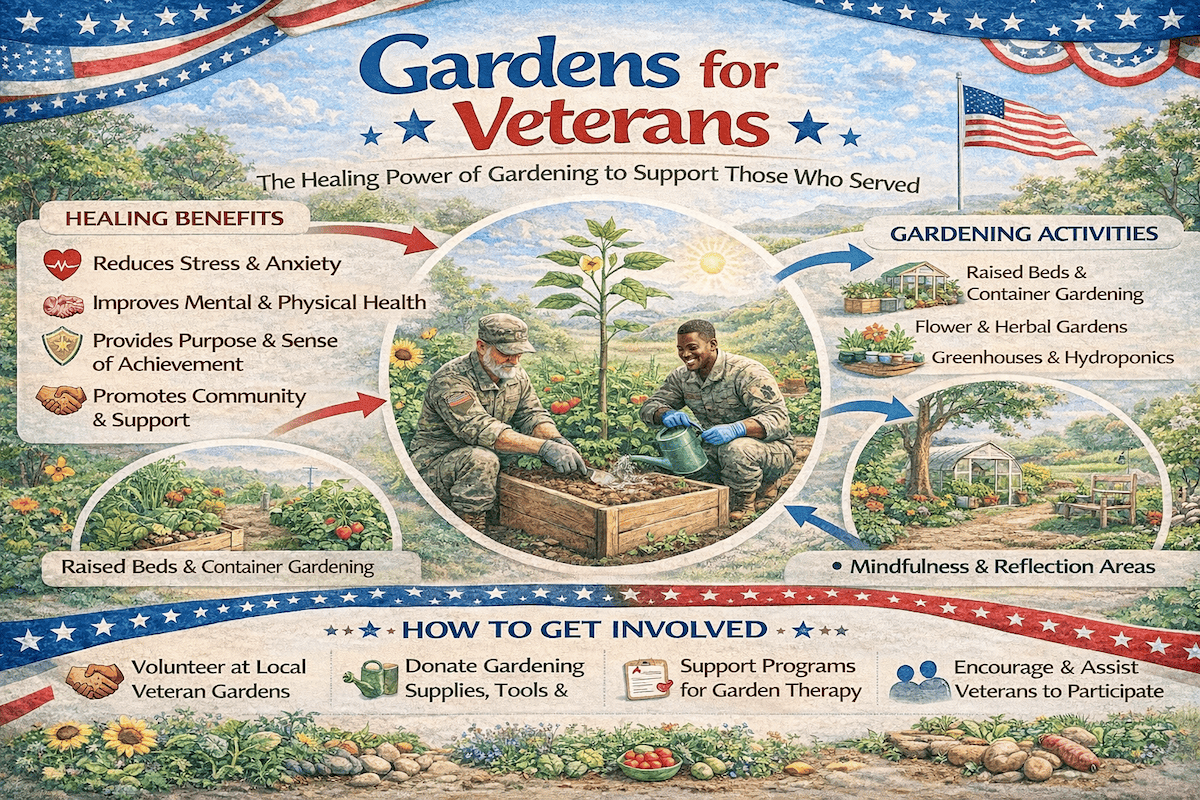
Gardens for veterans provide therapeutic spaces where military veterans can heal, reconnect with nature, and build purpose through gardening, food production, and community engagement.
Quick answer: Gardens for veterans use therapeutic gardening and farming programs to support mental health, provide fresh food, build skills, and help veterans transition into civilian life.
What Are Gardens for Veterans?
Gardens for veterans are community-based gardening and agricultural programs designed to support the physical, emotional, and social well-being of military veterans. These spaces offer opportunities to grow food, develop skills, and reconnect with a sense of purpose.
Definition: Gardens for veterans are therapeutic and community-driven growing spaces that use gardening and agriculture to support veteran wellness, rehabilitation, and reintegration.
These programs combine the healing benefits of nature with structured activities that help rebuild routine, reduce stress, and create meaningful daily engagement.
Did you know? There are more than 18 million military veterans in the United States, and many wellness programs now incorporate therapeutic gardening and farming to support recovery and resilience.
Gardens for veterans can take many forms, including
community gardens, urban allotments, and larger farm-based programs. They are designed to be inclusive and accessible, supporting veterans with physical disabilities as well as those navigating mental health challenges.
Beyond healing, these gardens can provide pathways to employment, education, and entrepreneurship in agriculture and horticulture—helping veterans build new skills and opportunities after military service.
As part of a broader movement toward nature-based healing, gardens for veterans are helping individuals reconnect with themselves, their communities, and the land—creating spaces of renewal, dignity, and growth.
The Power of Gardening for Veterans
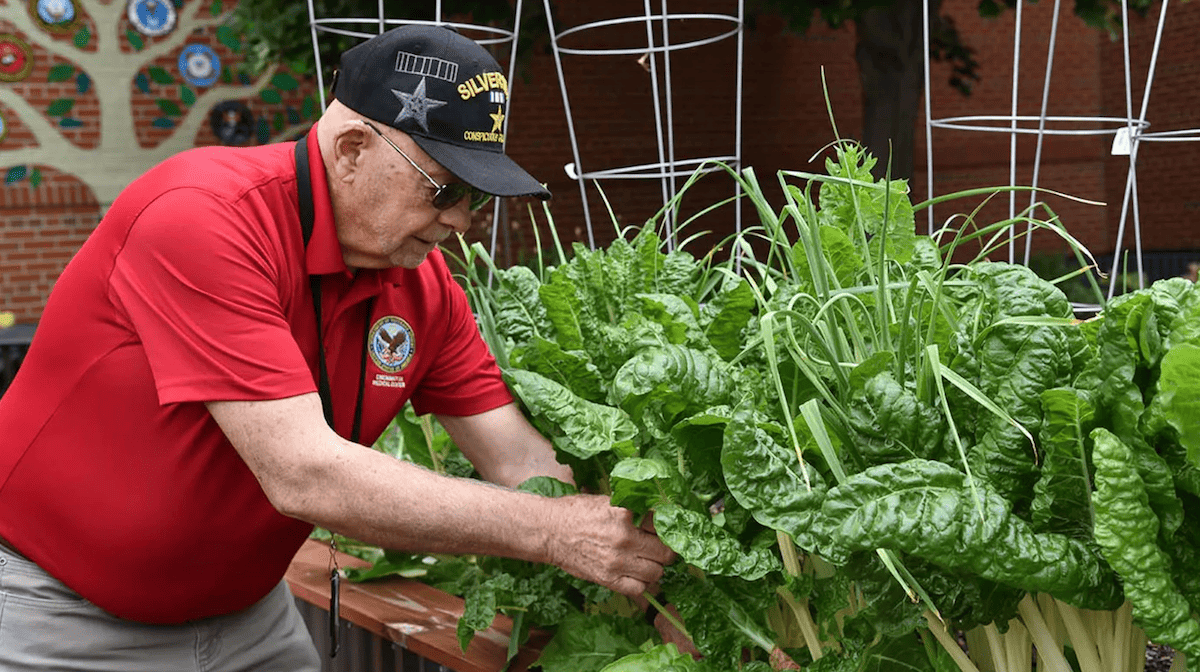
The act of gardening has a profound impact on veterans. It offers them a sense of purpose, a chance to contribute to their community, and an opportunity for physical activity. More importantly, it provides a therapeutic outlet for veterans dealing with the effects of combat and the challenges of reintegration into civilian life.
Gardening offers a form of therapy that is accessible and effective. The repetitive nature of gardening tasks, such as weeding, planting, and watering, can provide a calming effect on the mind. This can help veterans manage symptoms of PTSD, depression, and anxiety. Additionally, being outdoors and connecting with nature can have positive effects on mental health, reducing stress and improving mood.
Veteran farmers often speak of the satisfaction they gain from seeing the fruits of their labor. There is a tangible reward in the form of produce that can be eaten or sold. This sense of accomplishment can boost self-esteem and provide a sense of purpose, both of which are crucial for mental health and overall well-being.
The Rise of Veteran Farmers
The number of veteran farmers is on the rise, a trend that reflects the growing recognition of the benefits of gardening and farming for those who have served in the military. Many veterans find that working with the land provides a sense of peace and fulfillment that they may not find in other careers.
Veterans that work on farms often report that the physical labor, the connection with nature, and the satisfaction of producing something of value are therapeutic. These elements can help them manage PTSD symptoms and ease the transition back into civilian life. It's not just about producing food; it's about finding a sense of purpose and belonging.
Moreover, there is an increasing demand for locally grown, organic food, which presents a viable business opportunity for veteran farmers. With the right support and resources, these veterans can turn their gardens into profitable ventures, contributing to their local economies while also securing their financial future.
The Benefits of Veterans Growing Their Own Food
Growing their own food allows veterans to have control over what they eat. They know exactly where their food comes from and how it was grown, which can lead to healthier eating habits. Plus, gardening is a form of physical exercise that can help improve cardiovascular health, increase strength and flexibility, and reduce the risk of chronic diseases.
Financially, growing their own food can save veterans money. They can reduce their grocery bills by producing their own fruits, vegetables, and herbs. Plus, if they produce more than they can consume, they can sell the excess produce, providing an additional source of income.
Growing to Give Initiatives for Veterans: Veterans Helping Veterans
Growing To Give, a 501C3 nonprofit in Washington, develops initiatives and programs to help veterans grow produce not only for themselves but also to donate to other veterans living in their local communities. These initiatives provide a powerful way for veterans to give back, strengthening their ties to the community and boosting their sense of purpose.
When veterans participate in 'growing to give' initiatives, they are not only helping themselves but also helping others. They are providing fresh, nutritious food for those who may not have easy access to it. This can lead to stronger, healthier communities and a greater sense of camaraderie among veterans. These initiatives also offer a platform for veterans to share their experiences and educate others about the benefits of gardening and local food production. They become role models in their communities, inspiring other veterans to follow in their footsteps.
How Farms Provide a Home for Veterans
For many veterans, farms are more than just places to grow food; they are homes. They offer a sense of belonging, a place to heal, and a space to build a new life after their military service. A home for veterans - the farm - provides a peaceful, natural environment that can help veterans cope with PTSD and other mental health issues. The rhythm of farm life, with its daily tasks and seasonal cycles, can provide structure and a sense of normalcy.
Instead of housing migrant workers, farm accommodations are being retrofitted to shelter veterans so they can live and work on the farm thus building a veteran farming community that can provide support for one another.
Opportunities for Veterans in the Farming Industry
The farming industry offers a wealth of opportunities for veterans. From small-scale organic farming to large agricultural operations, there are numerous ways for veterans to get involved and make a living from farming.
Veteran farm opportunities extend beyond just growing food. They could also include raising livestock, beekeeping, operating a farm stand or farmers market, or even starting a farm-to-table restaurant. With the right training and support, veterans can turn their passion for farming into a successful business.
The farming industry also offers opportunities for leadership and entrepreneurship. Veterans can use their military skills and experiences - such as discipline, resilience, and teamwork - to lead and grow their farming businesses. This not only benefits them personally, but also contributes to the growth and sustainability of the agricultural sector.
Training Programs for Veterans in Agriculture
To support veterans in their agricultural endeavors, various organizations offer training programs for veterans in agriculture. These programs equip veterans with the skills and knowledge they need to succeed in farming.
Training veterans as farmers is a win-win situation. Veterans gain a new career path, while the agricultural sector gains dedicated and hardworking individuals who bring a unique set of skills to the table. These training programs cover a wide range of topics, including organic farming techniques, business planning, and marketing.
Moreover, many of these programs offer mentorship and ongoing support, ensuring that veterans have the resources they need to overcome any challenges they may encounter. They are designed to empower veterans, helping them transition from military service to a rewarding career in farming.
Garden therapy offers a holistic approach to recovery, promoting mental, emotional, and physical healing. The therapeutic benefits of gardening, combined with the routine and structure it provides, can significantly contribute to recovery. Given the opportunity to eat the food they grow promotes a healthier diet and gradually improves physical health. It’s clear that by cultivating wellness through a garden therapy program can be a powerful tool in recovery from addiction.
Government Programs for Veteran Farmers
Recognizing the benefits of farming for veterans, the government also provides assistance for veteran farmers. Government assistance can come in the form of grants, loans, and educational resources that can help veterans establish and grow their farming businesses.
Government help for veteran farmers is essential in overcoming the barriers that many veterans face when starting a farming venture that may include financial constraints, lack of farming knowledge, and limited access to land and resources.
The government supports programs that connect veteran farmers with local communities, promoting local food systems and strengthening ties between veterans and their communities. This not only benefits the veterans themselves but also contributes to the overall health and sustainability of the local food system.
Why Gardening Helps Veterans Heal
Many veterans returning from military service face challenges including post-traumatic stress disorder (PTSD), depression, physical injuries, and difficulty reconnecting with civilian life. Therapeutic gardening offers a powerful pathway toward recovery by combining physical activity, time outdoors, and meaningful work.
Research shows that working with soil, plants, and living ecosystems can lower cortisol levels, reduce anxiety, and improve emotional well-being. Gardening also provides structure and routine, which can be especially beneficial for veterans adjusting to life after military service.
Programs that combine horticulture therapy with community gardening, therapeutic landscape design, and permaculture practices help veterans reconnect with both nature and community.
Many veteran garden programs also introduce participants to sustainable farming systems such as regenerative agriculture, which focuses on rebuilding soil health while producing healthy food for local communities.
Veterans in Agriculture – The Future
The transformational power of gardens for veterans is undeniable. Through gardening and farming, veterans can find healing, purpose, and a pathway to a new career. As more veterans turn to farming, they are not only improving their own lives but also contributing to their communities and the agricultural sector.
With continued support from training programs and government assistance, more veterans can harness the power of farming, carving out a new life for themselves while also feeding their communities. Truly, gardens for veterans are much more than just plots of land; they are catalysts for change, healing, and growth.
.png)
.png)
.png)

.png)