Edible Seeds Nutrition: Tiny Superfoods That Power Health, Energy, and Longevity
Discover how chia, flax, hemp, pumpkin, and sunflower seeds deliver powerful nutrients—fiber, protein, healthy fats, vitamins, and minerals that support heart health, digestion, immunity, and overall wellness.
The Nutritional Power of Edible Seeds: Small Foods with Big Health Benefits
Edible seeds are compact, nutrient-dense foods packed with healthy fats, protein, fiber, and essential minerals that support long-term health and vitality.
Quick answer: Edible seeds like chia, flax, pumpkin, sunflower, hemp, and sesame provide concentrated nutrition—including healthy fats, plant protein, fiber, and antioxidants—that support heart health, digestion, and overall wellness.
What Are Edible Seeds?
Edible seeds are nutrient-rich plant foods that contain everything needed for a plant to grow. Because they store energy and nutrients for new life, they are naturally dense in essential compounds that support human health.
Definition:Edible seeds are plant seeds consumed as food, known for their high concentration of healthy fats, protein, fiber, vitamins, minerals, and antioxidants.
Seeds such as chia, flax, pumpkin, sunflower, hemp, and sesame are often considered “superfoods” because of their ability to deliver a wide range of nutrients in small servings.
Did you know? Many seeds are rich in omega-3 fatty acids, magnesium, and plant-based protein, nutrients that are essential for heart health, muscle function, and brain performance.
Incorporating edible seeds into daily meals can support digestion, improve nutrient intake, and contribute to overall health.
As part of a broader plant-based diet, seeds complement foods discussed in
the healing power of plants,
supporting both personal wellness and sustainable food systems.
Unconventional Edible Seeds: Hemp, Quinoa, and Pomegranate
Beyond commonly consumed seeds like chia, flax, and pumpkin, there are several lesser-known, unconventional edible seeds that offer significant nutritional benefits. Hemp seeds, quinoa, and pomegranate seeds are some of these underrated gems.
Hemp seeds are a complete protein source, meaning they provide all nine essential amino acids that the body cannot produce on its own. They are also rich in omega-3 and omega-6 fatty acids and offer a good supply of magnesium, phosphorus, and iron.
Quinoa, often mistaken for a grain, is actually a seed. It is a high-quality protein source and is rich in fiber, magnesium, B vitamins, iron, and various antioxidants. Pomegranate seeds are packed with fiber, vitamin C, vitamin K, and several other essential nutrients. They also contain a unique antioxidant called punicalagin, which has potent anti-inflammatory properties.
Raw vs Sprouted Seeds: What’s the Difference?
Seeds can be consumed in various forms – raw, roasted, sprouted, or ground into flour. Among these, raw and sprouted seeds are the most common types of seeds consumed today. But what's the difference between the two?
Raw seeds are seeds in their natural, unprocessed form. They retain all their original nutrients and are a healthy addition to your diet. However, raw seeds contain natural chemicals called enzyme inhibitors, which can make it harder for your body to absorb all the nutrients in the seeds. This is because they are meant to pass through an animal’s gut and germinate after defecation.
Sprouted seeds, on the other hand, are seeds that have been soaked in water until they begin to germinate. This process breaks down the enzyme inhibitors, making the nutrients in the seeds more bioavailable. Additionally, sprouting increases the seeds' vitamin and mineral content, making them even more nutritious.
The Health Benefits of Sprouting Seeds
Sprouting seeds offer several health benefits. As mentioned, sprouting makes the nutrients in seeds more bioavailable, allowing your body to absorb more vitamins, minerals, and antioxidants from the seeds. This can lead to improved overall health and well-being. Also, sprouting seeds can aid digestion. The process of sprouting breaks down the seeds' starches into simpler sugars, making them easier to digest. Furthermore, sprouted seeds are a good source of dietary fiber, which aids in digestion and promotes a healthy gut.
Lastly, sprouting seeds can enhance their antioxidant content. Antioxidants are substances that protect your cells from damage caused by free radicals, unstable molecules that can lead to chronic diseases. By increasing the antioxidant content, sprouted seeds can help reduce the risk of various diseases, including heart disease and cancer.
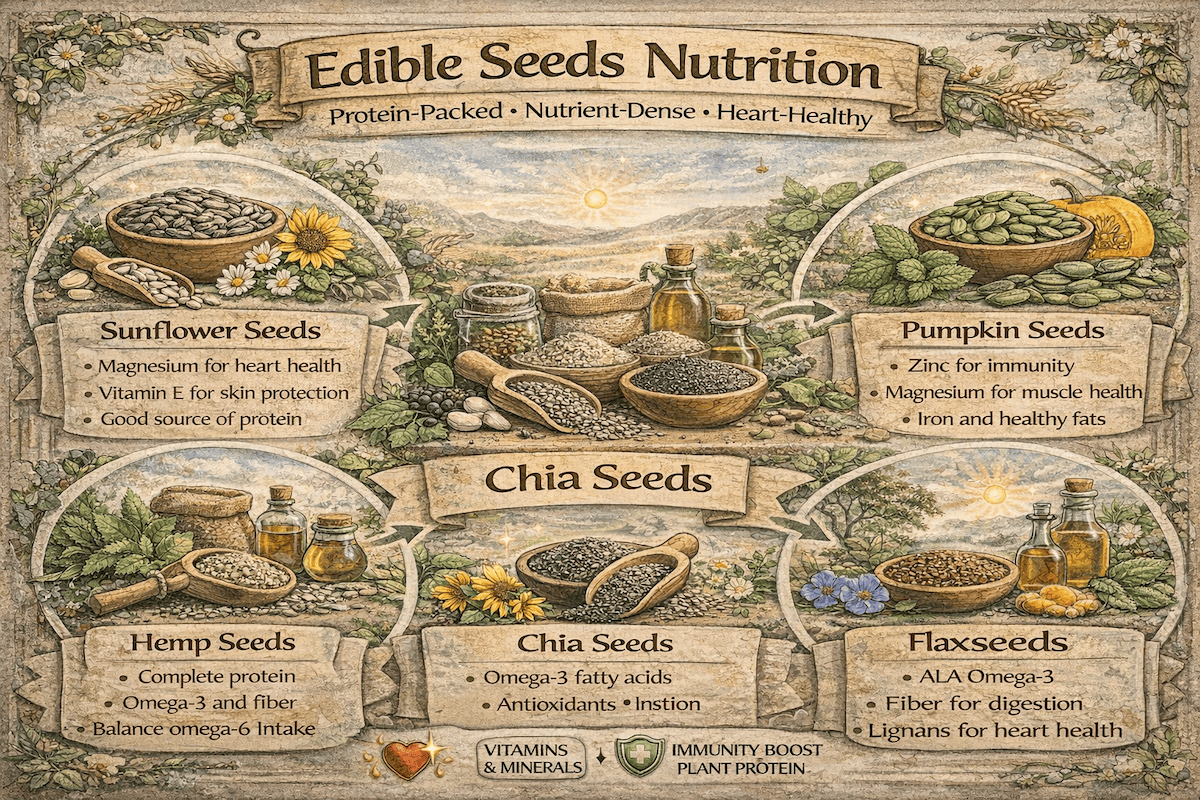
Share This Infographic
You are welcome to share this infographic on your website or blog.
Please include a link back to this page as the source.
How to Sprout Seeds at Home
Sprouting seeds at home is a simple process that requires just a few basic items: seeds, a glass jar, a piece of cheesecloth or a sprouting lid, and water. Here's a step-by-step guide on how to sprout seeds at home.
• Rinse your seeds under running water to remove any dust or dirt
• Place the seeds in a glass jar and cover them with water. Let them soak overnight
• The next day, drain the water from the jar using the cheesecloth or sprouting lid. Rinse the seeds with fresh water and drain again
• Place the jar in a location out of direct sunlight where it can drain and air can circulate
• Rinse and drain the seeds twice a day until they start to sprout. Depending on the type of seed, this can take anywhere from 2 to 7 days
• Once the seeds have sprouted, rinse them one last time and drain thoroughly. Store the sprouted seeds in the refrigerator and consume within a week
Best Edible Seeds for Sprouting: Alfalfa, Broccoli, Clover, Radish, Mung
While most seeds can be sprouted, certain seeds are particularly suited for sprouting due to their nutritional profile and their quickness to sprout. Alfalfa seeds, broccoli seeds, clover seeds, radish seeds, and mung seeds are among the best edible seeds for sprouting.
Alfalfa seeds are one of the most common types of seeds sprouted at home. They are rich in vitamins A, C, and K, and several minerals, including calcium, iron, and magnesium. Broccoli seeds, when sprouted, produce sprouts that are exceptionally high in antioxidants and are believed to have anti-cancer properties.
Clover seeds produce mild, crisp sprouts that are a good source of vitamins A, B, C, and E, as well as several minerals. Radish seeds yield sprouts with a spicy flavor and are rich in vitamins A, B, C, E, and K, as well as calcium, iron, and magnesium. Mung seeds, commonly sprouted to produce bean sprouts, are a good source of vitamins A, B, C, and E, as well as calcium, iron, and potassium.
Seed Nutrient Comparison
Different edible seeds offer different nutritional strengths. Some are especially rich in healthy fats, others provide more protein, while some stand out for their mineral or antioxidant content. Comparing seeds side by side can help readers choose the best options for their nutritional goals.
Seed
Key Nutrients
Health Benefit
Chia Seeds
Omega-3 fatty acids, fiber, calcium
Supports heart health and digestion
Flax Seeds
Omega-3 fatty acids, lignans
Helps support hormone balance and heart health
Pumpkin Seeds
Zinc, magnesium, protein
Supports immune function and muscle health
Sunflower Seeds
Vitamin E, selenium
Promotes skin health and antioxidant protection
Hemp Seeds
Complete protein, omega-3 and omega-6 fats
Supports muscle repair and overall nutrition
Incorporating Edible Seeds in Your Diet
Incorporating edible seeds into your diet is relatively straightforward. They can be sprinkled on salads, mixed into yogurt or oatmeal, blended into smoothies, or used as a topping for baked goods. Ground seeds can be used as a flour substitute in gluten-free baking, while sprouted seeds can be added to sandwiches, salads, or stir-fries.
Another delicious way to incorporate seeds into your diet is by making seed butter. To make this butter simply grind your favorite seeds in a food processor until they form a smooth paste. This can be spread on toast, used as a dip for fruits and vegetables, or added to smoothies for an extra protein boost.
Seeds can also be used as a crunchy garnish for various dishes. Sprinkle them over soups, stews, or roasted vegetables for added texture and nutrition. Regardless of how you choose to incorporate them, seeds are a versatile and nutritious addition to any diet.

.png)
.png)
.png)

.png)