Food Independence • Self-Sufficiency • Seed Saving
Food Independence: Grow, Preserve, and Save Seeds for Long-Term Food Security
Food independence empowers individuals and communities to grow, preserve, and store their own food—reducing reliance on supply chains while building resilience and sustainability.
Quick answer: Food independence is achieved by growing food, preserving harvests, saving seeds, and building sustainable systems that reduce dependence on external food sources.
What Is Food Independence?
Food independence means producing, preserving, and managing a meaningful portion of your own food supply. It combines gardening, seed saving, composting, and food storage practices to create a more self-reliant and resilient food system.
Definition: Food independence is the ability of individuals or communities to meet a significant portion of their food needs through local production, preservation, and resource management.
Achieving food independence goes beyond planting a garden—it involves understanding ecosystems, selecting appropriate crops, improving soil health, and adopting sustainable practices that support long-term productivity.
Did you know? A well-managed garden combined with preservation techniques can provide a significant portion of a household’s annual food needs, reducing grocery costs and increasing resilience.
Practices such as foraging, growing edible plants, saving seeds, and preserving harvests all contribute to a more secure and sustainable food system. These approaches align closely with
permaculture design,
regenerative agriculture, and
community food systems.
Whether you are gardening on a small balcony or managing a larger homestead, food independence is a journey—one that builds health, sustainability, and a deeper connection to the land.
Why Food Independence Matters for Food Security
Achieving food independence has many benefits. Firstly, it offers food security. In uncertain times, having a reliable food source in your backyard is invaluable. Secondly, it fosters sustainability. Growing your own food reduces your carbon footprint by eliminating the need for transportation, packaging, and the industrial agriculture system that heavily contributes to greenhouse gas emissions.
Thirdly, achieving food independence promotes healthy eating. When you grow your own food, you know exactly what goes into it. There are no hidden pesticides, preservatives, or genetically modified organisms. You're eating fresh, nutritious food straight from the earth, which is beneficial for both the body and mind.
Lastly, food independence fosters a deep connection with nature. It's an opportunity to get your hands dirty, understand the cycles of the earth, and appreciate the miracle of growth. This connection can provide a sense of peace, satisfaction, and respect for the environment, grounding us in a world that often feels chaotic and disconnected.
Foraging for Food: Yes, Weeds are Edible
Foraging for food is a fundamental aspect of food independence. This practice dates back to our ancestors who relied on their knowledge of plants for survival. Today, foraging can provide a supplement to your garden harvest, broaden your diet, and deepen your connection to the local environment.
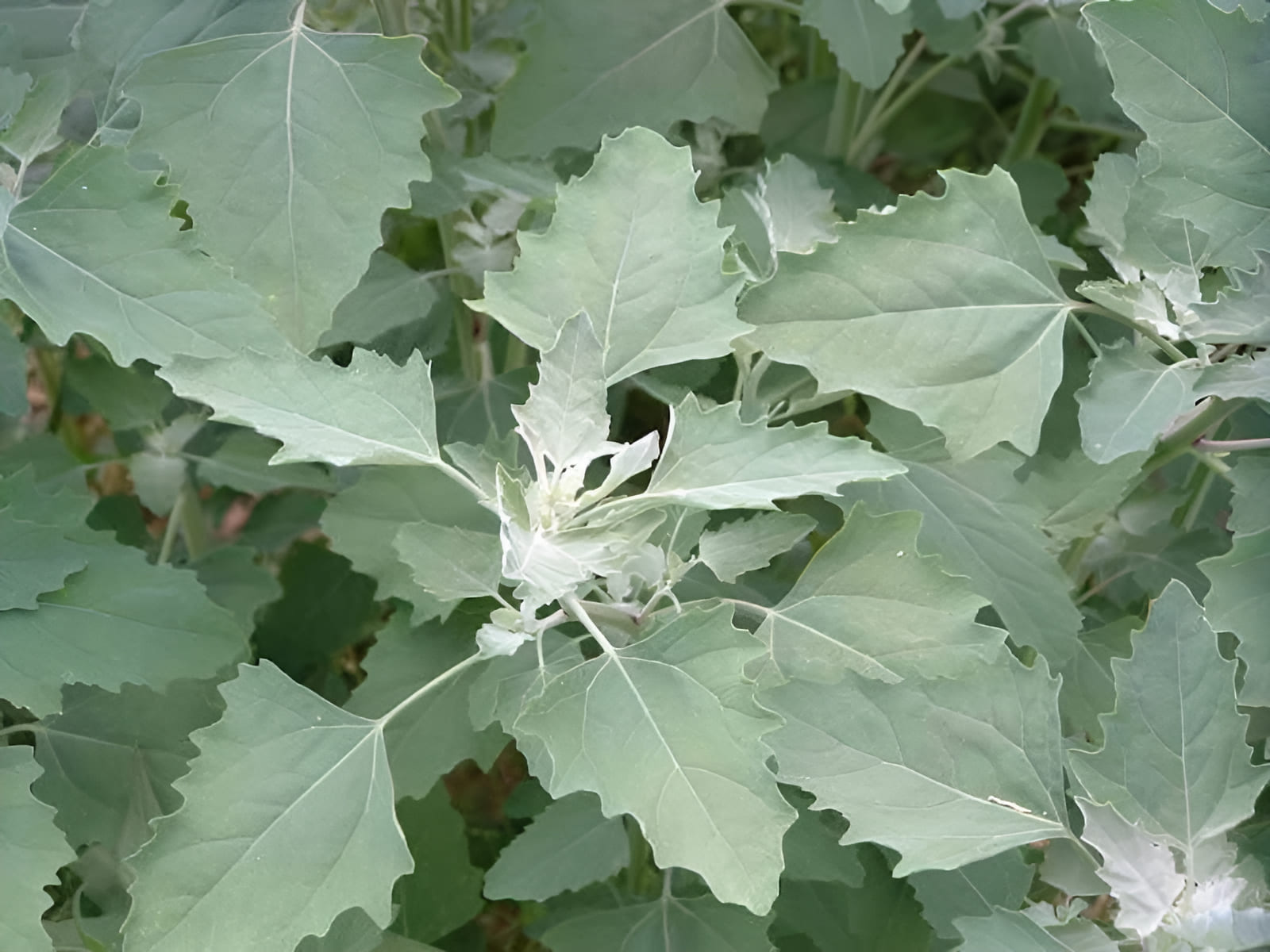
One surprising fact about foraging is that many common weeds are edible. Dandelions, purslane, and lamb's quarters, for example, are often found in backyards and are packed with nutrients. Foraging these edible weeds can provide a free source of food, reduce reliance on the grocery store, and help control these often-invasive plants in a natural way.
However, it's crucial to approach foraging with respect and knowledge. Never consume a plant unless you're 100% sure of its identification and safety. It's also important to forage sustainably, never taking more than you need or damaging the ecosystem. Foraging is an art, a science, and a delightful part of the food independence journey.
How to Start Your Journey Toward Food Independence
Many people believe food independence requires large farms or rural homesteads, but the journey can begin almost anywhere. Whether you have a backyard, a small urban lot, or even a balcony with containers, the first step toward food independence is simply learning how to grow some of your own food. Over time, small gardens can expand into productive systems that provide vegetables, herbs, fruits, and preserved foods throughout the year.
Start with a manageable garden that focuses on a few reliable crops. Leafy greens, tomatoes, peppers, beans, and herbs are excellent beginner plants because they grow quickly and produce generous harvests. Even a modest garden can provide fresh produce for many meals while helping you build the skills needed to grow more food in future seasons.
As your garden grows, consider adding staple crops that store well and provide calories throughout the year. Potatoes, winter squash, onions, garlic, carrots, and dry beans are classic food independence crops because they produce substantial harvests and can be stored for months. These crops form the backbone of traditional food systems around the world.
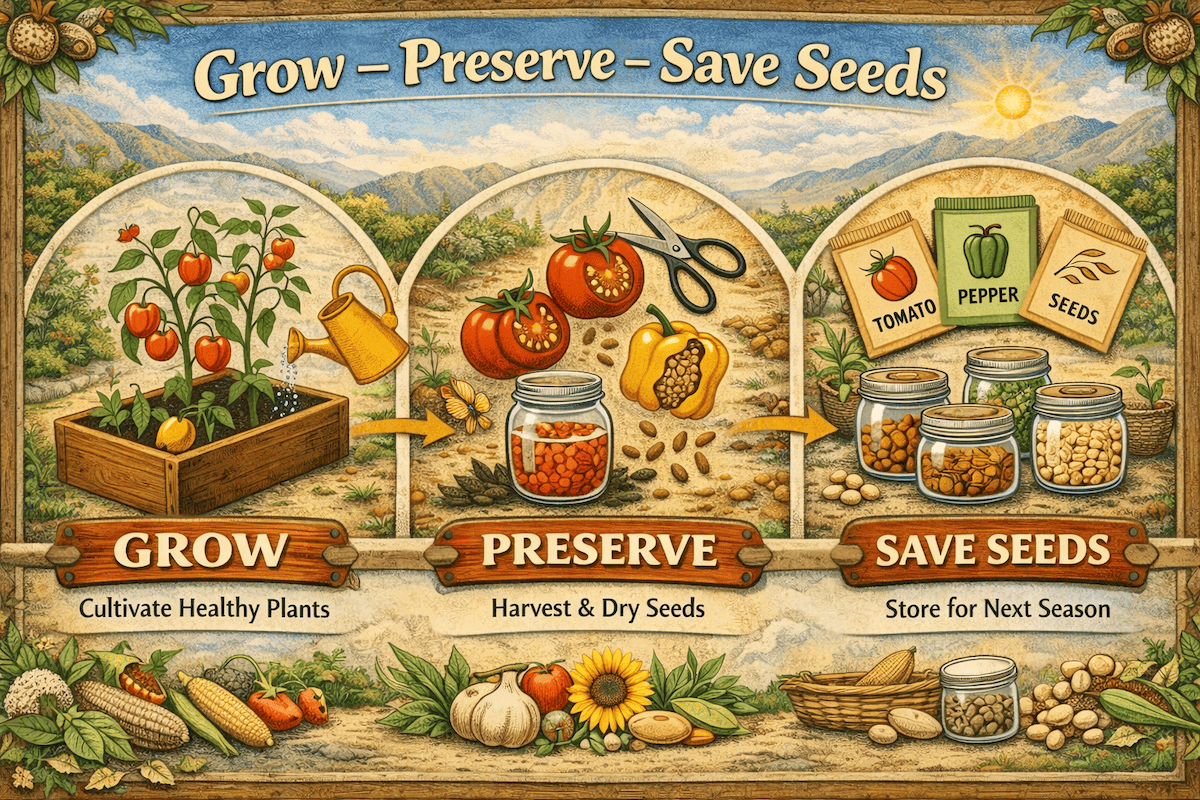
Food independence also requires learning how to preserve the food you grow. Techniques such as canning, drying, fermenting, and freezing allow gardeners to store surplus harvests and enjoy homegrown food long after the growing season ends. Preserving food reduces waste and ensures that your efforts in the garden continue to provide nourishment throughout the year.
Saving seeds is another powerful step toward self-reliance. By collecting seeds from healthy plants in your garden, you can plant future crops without purchasing new seeds every year. Over time, saved seeds become adapted to your local soil, climate, and growing conditions, improving productivity and resilience.
Finally, focus on building healthy soil. Composting kitchen scraps, adding organic matter, practicing crop rotation, and minimizing soil disturbance all contribute to fertile soil that supports strong plant growth. Healthy soil is the foundation of any successful garden and the cornerstone of long-term food independence.
Food independence does not happen overnight. It is a gradual process of learning, experimenting, and expanding your garden each season. By starting small, improving soil, saving seeds, and preserving harvests, anyone can begin moving toward a more resilient and self-reliant food future.
Did you know?
A single packet of seeds can produce pounds of food, and seeds saved from healthy plants can provide future harvests year after year. Learning to grow food, preserve harvests, and save seeds is one of the most practical ways to reduce grocery dependence and build long-term food security.
Best Crops to Grow for Food Independence
Choosing the right crops is essential when working toward food independence. Some plants produce higher yields, store well, and provide important nutrients that support long-term self-reliance. By focusing on reliable, productive crops, gardeners can grow food that feeds their households throughout the growing season and beyond.
Many traditional food systems around the world rely on a core group of staple crops that are productive, nutritious, and relatively easy to grow. These crops provide calories, protein, vitamins, and minerals while also storing well for months after harvest.
Potatoes
Potatoes are one of the most productive crops for food independence. A small garden bed can produce a large harvest of calorie-rich food that stores well in cool, dark conditions. Potatoes are easy to grow and provide carbohydrates, fiber, potassium, and vitamin C.
Sweet Potatoes
Sweet potatoes are another high-yield staple crop. They thrive in traditional food systems and produce nutritious tubers rich in vitamins A and C. Sweet potatoes also store well and their leafy greens can be eaten as a nutritious vegetable.
Beans
Beans are an excellent source of plant-based protein and an important crop for food independence. Dry beans can be harvested, stored for long periods, and used in soups, stews, and many traditional dishes. Beans also improve soil fertility by fixing nitrogen in the soil.
Winter Squash
Winter squash varieties such as butternut, acorn, and pumpkin produce large harvests that store for months without refrigeration. These nutrient-dense vegetables provide carbohydrates, fiber, and vitamins, making them valuable crops for long-term food storage.
Onions
Onions are a foundational ingredient in many cuisines and are relatively easy to grow. Once cured after harvest, onions can store for several months, making them an important crop for maintaining a steady supply of flavorful, nutritious food.
Garlic
Garlic is another long-storing crop that is simple to grow. Planted in the fall and harvested the following summer, garlic bulbs can be cured and stored for many months. Garlic also offers natural antimicrobial properties and adds flavor to countless meals.
Carrots
Carrots provide essential vitamins and minerals and grow well in many climates. They can be stored in root cellars, cool soil beds, or refrigeration for extended periods, making them an excellent crop for food independence gardens.
Kale
Kale is one of the most nutrient-dense leafy greens and can be harvested repeatedly throughout the growing season. Many kale varieties are cold-tolerant, allowing gardeners to harvest fresh greens even in cooler months.
Tomatoes
Tomatoes are among the most popular crops for home gardens. They produce abundant harvests that can be eaten fresh or preserved by canning, drying, or making sauces. Tomatoes are also excellent crops for seed saving, allowing gardeners to maintain their own seed supply.
By growing a combination of staple crops, protein-rich plants, and nutrient-dense vegetables, gardeners can create a balanced and resilient garden that supports long-term food independence. Even a small garden that includes a few of these crops can provide meaningful amounts of food throughout the year.
How Much Land Do You Need for Food Independence?
One of the most common questions people ask when beginning their journey toward food independence is how much land is required to grow a meaningful portion of their own food. The answer depends on several factors, including climate, soil quality, diet, gardening experience, and the types of crops grown. However, many gardeners are surprised to learn that even small spaces can produce significant amounts of food.
A well-managed backyard garden of just a few hundred square feet can produce a steady supply of vegetables, herbs, and greens throughout the growing season. With efficient planting methods such as raised beds, companion planting, and vertical gardening, small urban gardens can be surprisingly productive.
For households seeking to grow a substantial portion of their annual food supply, estimates often range from about one-quarter acre to one acre of cultivated land. Within this space, gardeners can grow staple crops like potatoes, beans, squash, onions, and carrots while also producing fresh vegetables, fruits, and herbs.
Productivity can increase dramatically when gardeners focus on building healthy soil. Composting, mulching, crop rotation, and regenerative gardening practices improve soil fertility and water retention, allowing plants to grow stronger and produce higher yields. Techniques such as intensive planting and succession planting can also maximize harvests from limited space.
Even if full food independence is not immediately achievable, growing a portion of your own food provides meaningful benefits. Each garden bed, container, or fruit tree contributes to greater food security, lower grocery costs, and a stronger connection to the natural systems that sustain life. Over time, expanding your garden and improving soil health can steadily increase the amount of food you produce each year.
Seed Saving: How to Preserve Seeds for Future Gardens
Seed saving is a critical skill for anyone seeking food independence. By saving seeds from your garden, you can perpetuate your food source year after year without needing to buy new seeds. This practice not only saves money but also allows you to develop plant varieties that are adapted to your local climate and conditions.
To start saving seeds, select healthy, mature plants from your garden. Allow some of your best plants to go to seed, then collect these seeds for next year's garden. It's important to dry and store seeds properly to ensure their viability for the next planting season.
Remember, some plants are easier to save seeds from than others. Tomatoes, beans, and lettuce are great for beginners, while others like carrots and onions can be more challenging. Over time, you'll learn which plants provide the most successful seed saving in your garden.
Edible Landscaping and Homesteading for Food Self-Reliance
Edible landscaping is the practice of incorporating food-producing plants into your yard. Instead of purely ornamental gardens, you can plant fruit trees, berry bushes, and vegetable gardens. This approach maximizes the productivity of your land, providing a source of fresh, healthy food and creating a beautiful, functional landscape.
Homesteading, on the other hand, is a lifestyle aimed at self-sufficiency. It involves a variety of practices, from gardening and raising animals to preserving food and making homemade products. Homesteading can be practiced on any scale, whether you live on a large farm or in a city apartment.
Both edible landscaping and homesteading are key elements of food independence. They emphasize self-reliance, sustainability, and the joy of producing your own food. As you master these practices, you'll find that your connection to your food and the land deepens.
What is Agroecology and its Role in Food Independence
Agroecology refers to a sustainable approach to farming that works with nature rather than against it. It involves understanding and respecting natural ecosystems, promoting biodiversity, and implementing sustainable farming practices. Agroecology plays a crucial role in achieving food independence as it offers a viable alternative to industrial agriculture.
Principles of agroecology include diversifying crops, conserving resources, and promoting a healthy soil ecosystem. By applying these principles, you can create a resilient, productive garden that contributes positively to the environment.
Agroecology also involves a social element. It promotes local food systems, community involvement, and fair trade. By growing your own food and supporting local farmers, you're contributing to a more equitable, sustainable food system.
Sustainable Gardening: From No-till Agriculture to Crop Rotation
Sustainable gardening practices, like crop rotation and no-till agriculture, are essential for food independence. These practices improve soil health, increase crop yields, and reduce the need for chemical inputs.
Crop rotation involves changing the location of crops each year. This practice prevents the build-up of pests and diseases and helps maintain soil fertility. Each type of crop has different nutrient requirements and pest profiles, so rotating them can keep the soil balanced and healthy.
No-till agriculture, on the other hand, is a method of growing crops without disturbing the soil through tillage. It helps maintain soil structure, improves water retention, and promotes a healthy ecosystem of beneficial insects and microorganisms.
By incorporating these sustainable gardening practices, you're not only boosting your garden's productivity but also contributing to the health of the environment.
Composting: The Key to Growing Your Own Food
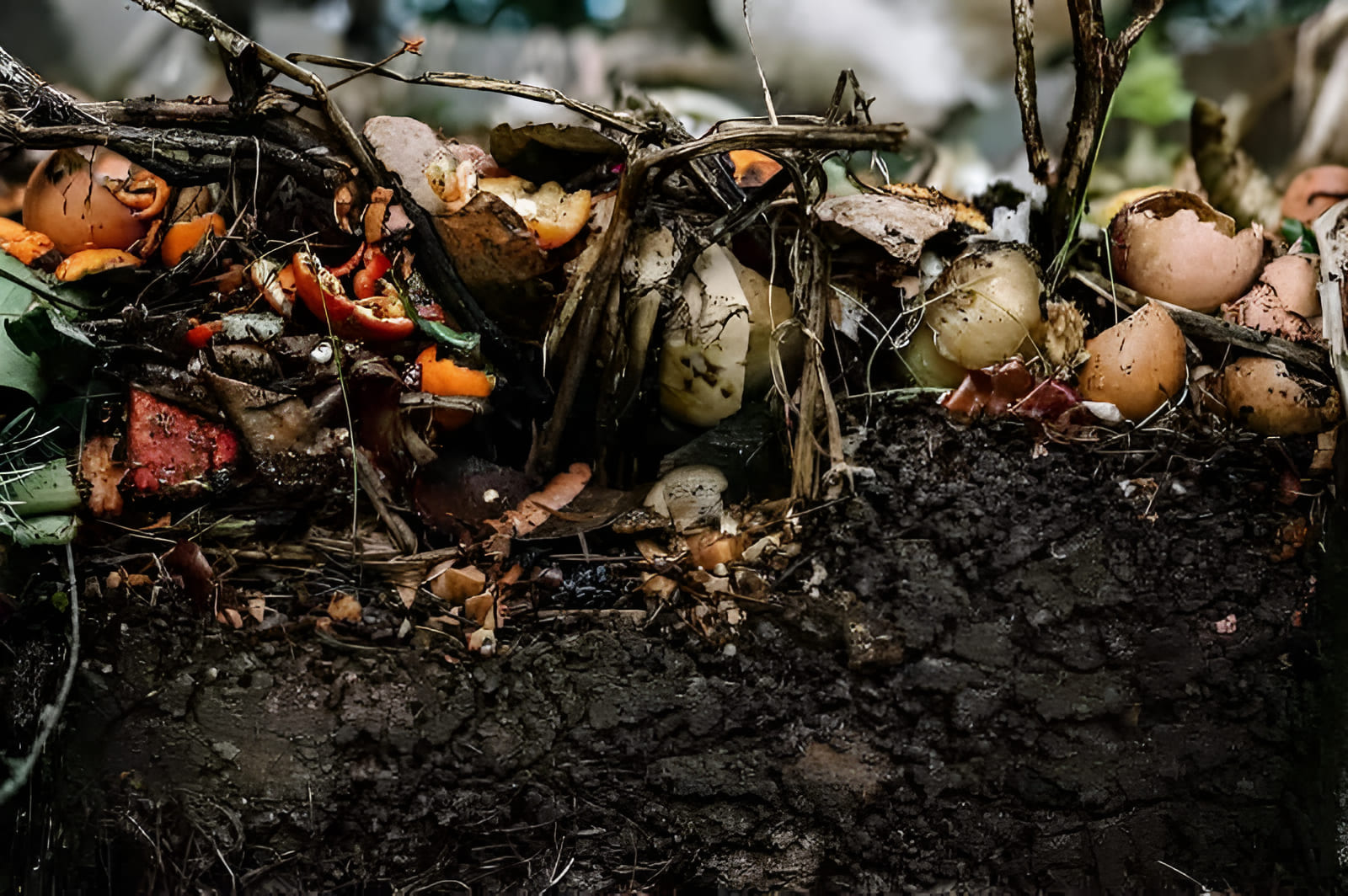
Composting is the process of converting organic waste into nutrient-rich black soil. It's a key element in growing your own food as it provides a sustainable source of nutrients for your garden, reduces waste, and improves soil health.
Composting can be as simple as creating a pile of kitchen scraps, yard waste, and other organic material. Over time, this pile breaks down into compost, a rich, dark material that's often called "black gold" for its value in the garden.
Using compost in your garden improves soil fertility, texture, and water-holding capacity. It provides a slow-release source of nutrients for your plants and helps create a healthy soil ecosystem. With compost, you can grow healthy, productive plants without relying on chemical fertilizers, which is better for you and better for the environment.
The Risk of Genetically Modified Seeds and the Benefits of Growing Vegetables from Heirloom Seeds
Genetically modified seeds are often used in industrial agriculture, but they pose several risks. These seeds are patented by large corporations, meaning farmers can't save and replant them. They're often engineered to withstand heavy applications of pesticides, contributing to environmental pollution and potential health risks.
On the other hand, heirloom vegetables are traditional varieties that have been passed down through generations. They're open-pollinated, meaning gardeners can save and replant their seeds. Heirloom vegetables offer a wealth of genetic diversity, with thousands of unique varieties offering different flavors, colors, and adaptations. Growing heirloom vegetables is a rewarding part of food independence. It preserves agricultural heritage, promotes biodiversity, and offers a superior taste experience. Plus, saving and swapping heirloom seeds can create a sense of community and shared purpose.
Canning and Food Preservation: Why it's Essential for Food Independence
Canning and food preservation are essential skills for achieving food independence. By preserving your harvest, you can enjoy homegrown food year-round, reduce food waste, and have a supply of food for times of scarcity.
Canning involves processing food in jars to prevent spoilage. You can preserve a wide variety of foods, from fruits and vegetables to meats and sauces. It's a satisfying process that rewards you with a pantry full of homegrown food.
Other food preservation methods include drying, freezing, fermenting, and pickling. Each method has its benefits and preferred uses, and learning a variety of methods gives you flexibility in preserving your harvest.
Preserving food you grow at home is healthier and more cost-effective than buying processed foods. It gives you control over the ingredients and avoids additives and preservatives found in store-bought items.
Food Independence is a Great way to Save Money
Striving for food independence is not only about self-reliance and sustainability; it's also a financially smart move. By growing and preserving your own food, you can significantly reduce your grocery bill.
Seeds, seedlings, and young fruit trees may require an initial investment, but the cost of homegrown produce is often much lower than buying from the store. Plus, you can save seeds, propagate plants, and swap with neighbors to further reduce costs.
Composting reduces the need for expensive fertilizers. Using homemade natural pest remedies instead of buying chemical pesticides can save money and protect the health of your garden. And preserving your harvest reduces waste and gives you a supply of home-canned goods that can be cheaper and healthier than store-bought equivalents.
The goal of achieving food independence is a journey that offers many rewards. It provides food security, promotes sustainability, encourages healthy eating, and saves money. It requires knowledge, effort, and a connection to the land, but the rewards are worth it. Whether you're a seasoned gardener or a beginner, there's always more to learn and implement on your path to food independence.

.png)
.png)
.png)

.png)