Urban Farming • Small Spaces • Food Security
Urban Gardening Guide: Growing Food in Cities, Rooftops, and Balconies 🌿
Urban gardening turns small city spaces into productive food systems, helping households and communities grow fresh, local food while reducing costs and increasing resilience.
Quick answer: Urban gardening grows food in cities using containers, rooftops, balconies, and community spaces, making it possible to produce fresh food in limited space while improving food access and sustainability.
What Is Urban Gardening?
Urban gardening is the practice of growing food, herbs, and plants within city environments using creative, space-efficient methods. From balcony planters and rooftop farms to community gardens and vertical systems, urban agriculture brings food production closer to where people live.
Definition: Urban gardening is the cultivation of plants in cities using small or unconventional spaces to produce food, improve environmental quality, and support local communities.
As cities grow and access to land becomes limited, urban gardening offers a practical solution for producing fresh, nutrient-dense food while reducing dependence on long-distance supply chains.
Did you know? Urban gardens can produce significant yields in small spaces, with intensive methods capable of growing enough vegetables to supplement or even sustain a household year-round.
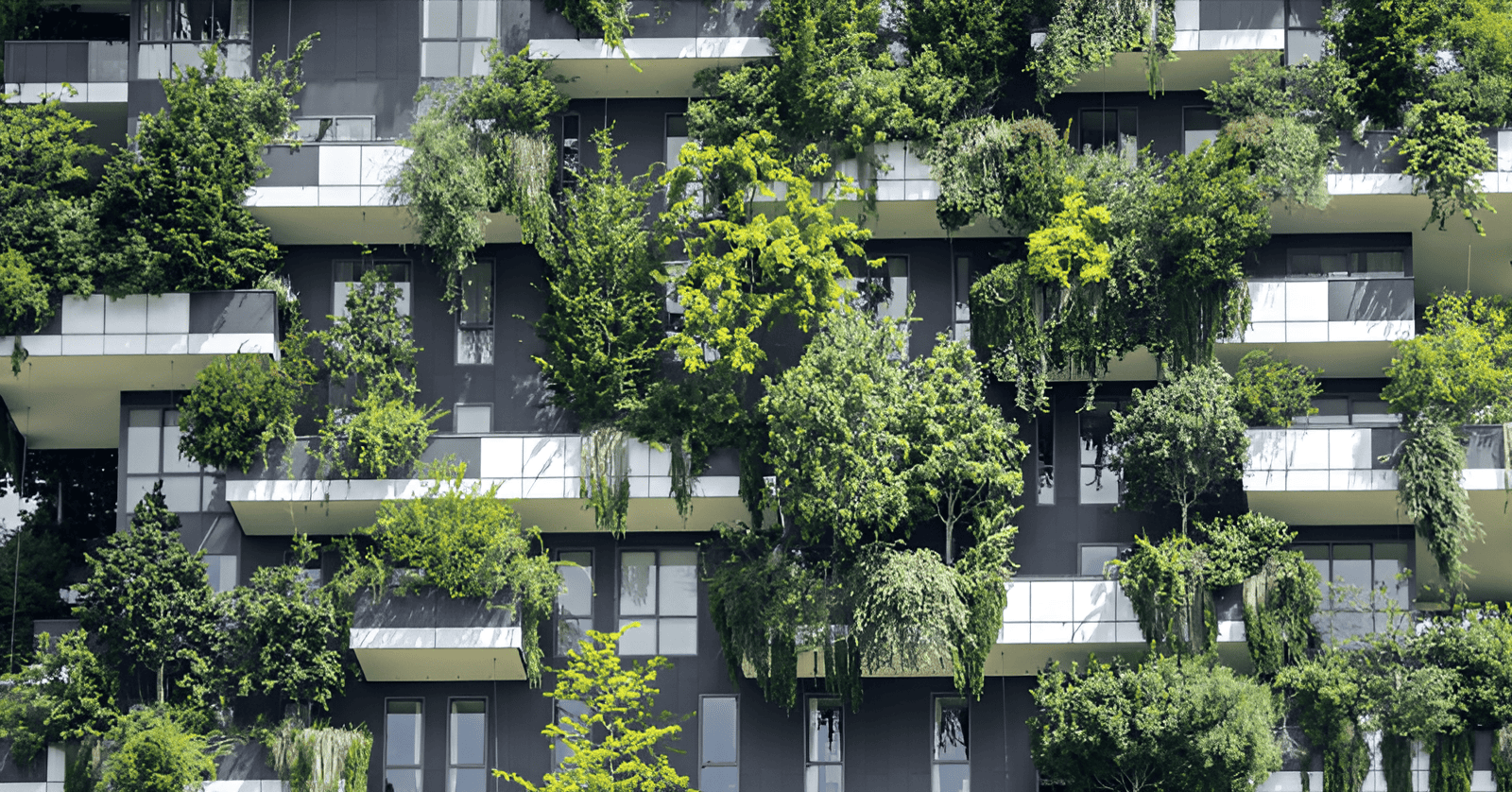
By transforming rooftops, balconies, and underused land into productive growing areas, urban gardening helps reduce food miles, lower grocery costs, and create greener, healthier cities.
What Is Urban Gardening?
Urban gardening, sometimes referred to as urban agriculture, involves cultivating food crops within city environments. These gardens may take many forms: container gardens on apartment balconies, vertical gardens attached to walls, raised beds in community parks, rooftop farms atop office buildings, or shared neighborhood plots where residents grow food together.
Unlike traditional agriculture that occurs in rural areas on large tracts of land, urban gardening focuses on efficient use of small spaces. Gardeners often rely on creative techniques such as vertical growing systems, compact crop varieties, and intensive planting layouts that maximize productivity in limited space.
Many urban gardeners also draw inspiration from ecological design approaches like
permaculture design principles, which emphasize working with natural systems rather than against them. Permaculture-inspired gardens often incorporate composting, water harvesting, companion planting, and biodiversity to create productive systems that regenerate soil while producing food.
Urban gardening is not just about growing vegetables. It is about rethinking how cities function, reconnecting people with food production, and building healthier communities that can withstand environmental and economic changes.
Why Urban Gardening Matters for Food Security
Food security is one of the most pressing challenges facing modern cities. As urban populations continue to grow, many communities depend heavily on long-distance supply chains to bring food from rural farms to city grocery stores. These systems are vulnerable to disruptions caused by climate change, transportation breakdowns, economic shocks, or geopolitical instability.
Urban gardening helps reduce this vulnerability by bringing a portion of food production closer to where it is consumed. When communities produce even a small percentage of their own food locally, they gain a buffer against supply disruptions and price volatility.
In neighborhoods where grocery stores are scarce, small gardens can make a meaningful difference in nutrition. Community gardens, school gardens, and neighborhood growing spaces help ensure that residents have access to fresh fruits, vegetables, and herbs—foods that are often expensive or unavailable in underserved areas.
Many cities around the world are now integrating food-growing spaces into urban planning through initiatives such as rooftop farms, edible public parks, and neighborhood growing programs. Projects like
edible landscapes in cities demonstrate how public spaces can be designed to produce food while enhancing urban beauty and environmental health.
The Benefits of Urban Gardening
Fresh, Nutritious Food Close to Home
One of the most immediate benefits of urban gardening is improved access to fresh produce. Vegetables harvested directly from a garden are often more nutrient-dense than store-bought produce that has traveled hundreds or thousands of miles before reaching the shelf.
🌱 Grow Food Where You Live
Urban gardening is one of the fastest ways to strengthen food security in cities.
Community gardens, rooftop farms, and edible landscapes can transform unused urban land
into productive spaces that feed neighborhoods while building stronger, healthier communities.
Urban gardens allow residents to grow culturally meaningful foods, heirloom varieties, and pesticide-free produce tailored to their preferences and dietary needs. This flexibility helps communities build healthier, more diverse diets.
Reducing Food Miles and Carbon Emissions
The concept of “food miles” refers to the distance food travels from the farm to the consumer. Long transportation routes contribute significantly to greenhouse gas emissions, refrigeration costs, and food waste during shipping.
Urban gardens dramatically reduce these food miles by producing food directly within the communities where it is consumed. Even small-scale gardens can help decrease the environmental footprint associated with conventional food distribution systems.
Building Stronger Communities
Urban gardening projects often bring people together across social and cultural boundaries. Community gardens provide shared spaces where neighbors collaborate, share knowledge, and develop a stronger sense of belonging.
These spaces can become centers for education, mentorship, and civic engagement. Programs like
inner-city community gardens demonstrate how urban agriculture can foster leadership, provide youth development opportunities, and create safe gathering places within neighborhoods.
Education and Skill Development
Urban gardens offer powerful learning environments. Children and adults alike gain hands-on experience in plant biology, soil health, composting, and sustainable food production. Gardening also teaches valuable life skills such as patience, responsibility, and environmental stewardship.
In many communities, gardening programs have expanded into workforce training initiatives that prepare participants for careers in landscaping, horticulture, environmental restoration, and sustainable agriculture.
Health and Well-Being
Spending time in gardens has well-documented mental and physical health benefits. Gardening encourages outdoor activity, reduces stress, and improves mood. For many people, working with soil and plants provides a sense of purpose and connection to nature.
Programs such as
gardens for veterans illustrate how gardening can support healing and recovery by offering therapeutic environments where individuals can reconnect with community and nature.
How to Start an Urban Garden
Starting an urban garden does not require large amounts of land. Many successful city gardens begin with small spaces and expand over time. Balcony planters, window boxes, raised beds, and container gardens can all produce impressive harvests when managed thoughtfully.
For individuals and groups interested in launching larger community projects, resources like
how to start a community garden provide step-by-step guidance on organizing volunteers, securing land access, designing garden layouts, and maintaining shared growing spaces.
Key considerations when starting an urban garden include sunlight availability, soil quality, water access, and local zoning regulations. In areas where soil contamination is a concern, raised beds filled with clean soil can provide a safe and productive growing environment.
Many urban gardeners also incorporate composting systems to recycle kitchen scraps and organic waste into nutrient-rich soil amendments. This closed-loop approach reduces waste while improving soil fertility.
Best Crops for Urban Gardens
Not all crops are equally suited for small-space gardening, but many vegetables thrive in urban environments. Leafy greens such as lettuce, spinach, and kale grow quickly and can be harvested repeatedly throughout the season. Herbs like basil, parsley, and cilantro also perform well in containers and small raised beds.
Tomatoes, peppers, beans, and cucumbers are popular urban garden crops because they can grow vertically using trellises or cages. This allows gardeners to maximize production while using minimal ground space.
Microgreens and fast-growing vegetables such as radishes can also be cultivated indoors or on windowsills, making them ideal for apartment dwellers with limited outdoor space.
Water-Smart Urban Gardening
Water availability is often a limiting factor in urban gardens, particularly in regions facing drought or water restrictions. Fortunately, many water-efficient techniques can help city gardens thrive while conserving resources.
Drip irrigation systems deliver water directly to plant roots, reducing evaporation and waste. Mulching with organic materials helps retain soil moisture while suppressing weeds. Rainwater harvesting systems can capture runoff from rooftops and store it for irrigation use.
In situations where municipal water access is limited, techniques described in the
off-grid gardening guide can help gardeners develop self-sufficient systems that rely on rainwater collection, composting, and resilient planting strategies.
Overcoming Urban Gardening Challenges
Despite its many benefits, urban gardening does come with challenges. Limited space, building regulations, and access to water or sunlight can sometimes make gardening difficult in densely populated areas.
However, innovative solutions are helping cities overcome these barriers. Vertical gardening systems allow plants to grow upward on walls or trellises, maximizing space in small environments. Rooftop gardens transform unused building surfaces into productive landscapes. Hydroponic and aquaponic systems enable food production without traditional soil.
Community collaboration also plays a crucial role in overcoming these obstacles. Shared tools, cooperative composting programs, and neighborhood garden hubs allow participants to pool resources and knowledge.
The Growth of Urban Gardening Worldwide
Urban agriculture is expanding rapidly across the world. Research estimates that over 800 million people participate in some form of urban farming, producing up to 15–20% of the world’s food supply. Cities from Detroit to Singapore are transforming rooftops, vacant lots, and public land into productive gardens that strengthen food security and local resilience.
The Future of Urban Food Systems
As cities continue to expand, urban agriculture will likely become an increasingly important component of sustainable food systems. Municipal governments, nonprofits, and community groups are already experimenting with innovative approaches such as rooftop farming, edible parks, and citywide composting initiatives.
Urban gardening represents more than just a hobby—it is a pathway toward healthier communities, stronger local economies, and more resilient food systems. By transforming underutilized spaces into productive landscapes, cities can help ensure that fresh food remains accessible, affordable, and locally produced for generations to come.
In a world where food security challenges continue to grow, the humble urban garden may become one of the most powerful tools for building sustainable cities and nourishing communities.

.png)
.png)
.png)

.png)