Mediterranean Diet • Plant-Based Nutrition • Cancer Support
Mediterranean Diet Benefits: How It Supports Cancer Prevention and Healing 🫒
The Mediterranean diet emphasizes whole, plant-based foods and healthy fats—supporting overall health, reducing inflammation, and contributing to long-term disease prevention.
Quick answer: The Mediterranean diet may support cancer prevention and overall health by reducing inflammation and providing nutrient-rich foods, though it is not a treatment or cure.
What Is the Mediterranean Diet?
The Mediterranean diet is a plant-forward eating pattern inspired by traditional cuisines of countries bordering the Mediterranean Sea, including Greece, Italy, and Spain.
Definition: Mediterranean diet is a dietary pattern centered on vegetables, fruits, legumes, whole grains, olive oil, nuts, seeds, and fish, associated with reduced inflammation and improved long-term health.
This approach prioritizes whole, minimally processed foods and healthy fats—particularly olive oil—while limiting ultra-processed foods and excess red meat.
Did you know? The Mediterranean diet has been consistently linked to lower rates of chronic diseases, including heart disease and certain cancers.
Researchers have increasingly studied the Mediterranean diet for its role in cancer prevention and support during treatment, largely due to its high content of antioxidants, fiber, and anti-inflammatory compounds.
While no single diet can prevent or cure cancer, eating patterns rich in whole plant foods and healthy fats may help support the body’s resilience and overall well-being.
This page explores the benefits of the Mediterranean diet, the science behind its health effects, and how it can be incorporated into a balanced lifestyle.
The Foundation of the Mediterranean Diet
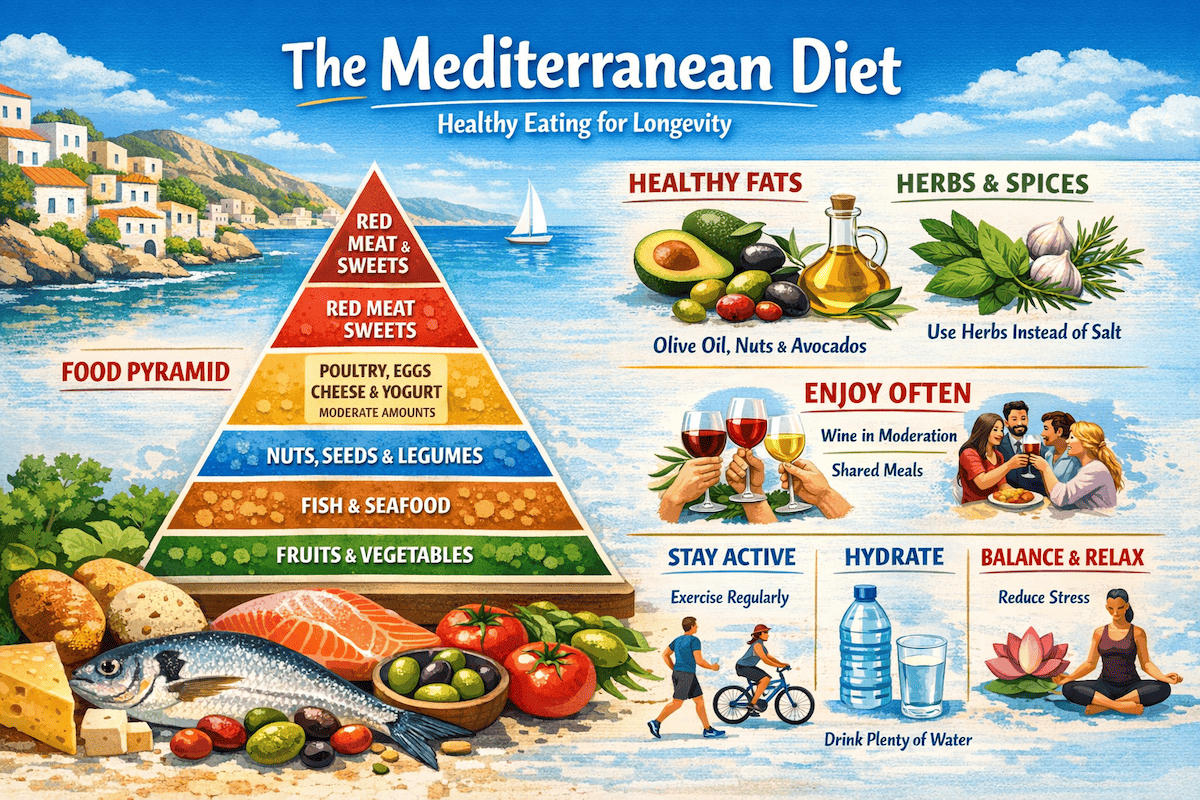
At its core, the Mediterranean diet emphasizes:
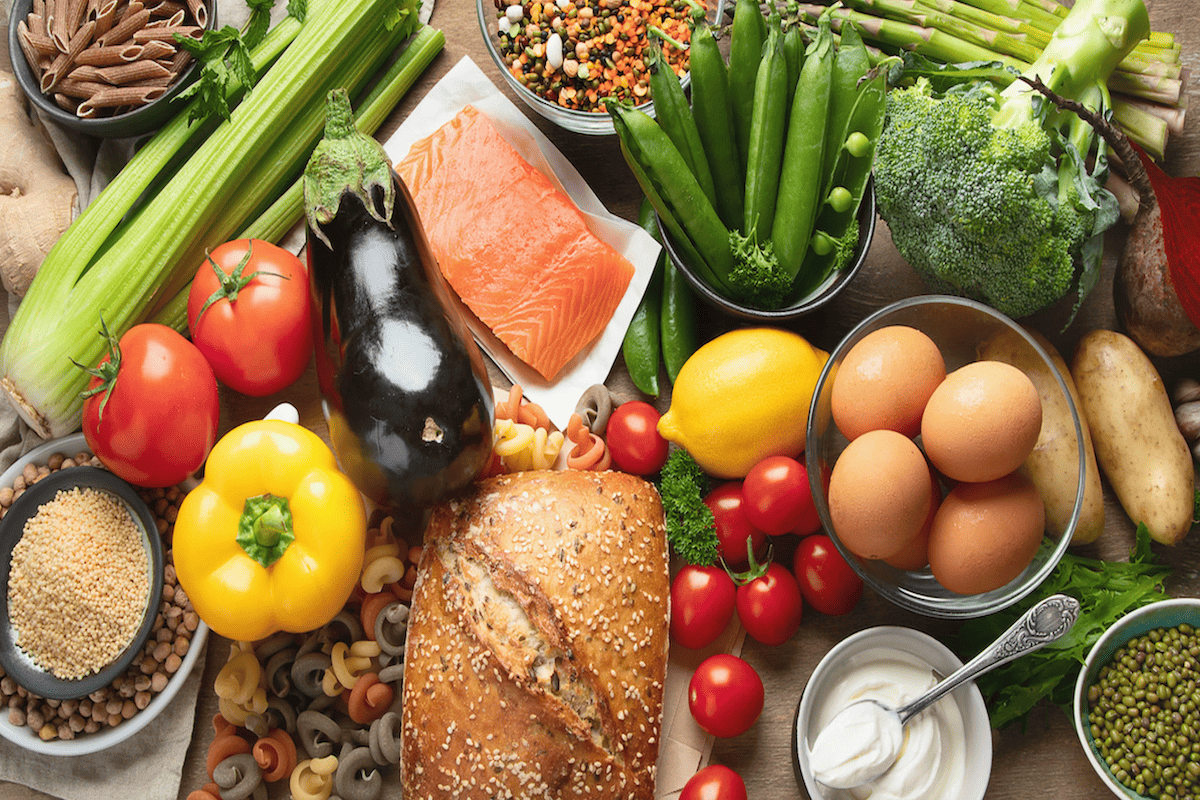
• Abundant vegetables and fruits, rich in vitamins, minerals, and antioxidants.
• Whole grains and legumes, providing fiber and sustained energy.
• Healthy fats, particularly extra-virgin olive oil, nuts, and seeds.
• Fish and seafood, eaten at least twice weekly, providing omega-3 fatty acids.
• Limited red and processed meats, instead focusing on lean poultry.
• Moderate dairy, such as yogurt and cheese.
• Herbs and spices for flavoring instead of salt.
• Wine in moderation, typically with meals.
This nutrient profile offers a balanced intake of macronutrients while maximizing disease-fighting phytochemicals.
Mediterranean Diet vs. Western Diet
| Feature |
Mediterranean Diet |
Typical Western Diet |
| Primary Fats |
Olive oil, nuts, seeds (unsaturated fats) |
Processed oils, trans fats, saturated fats |
| Vegetable Intake |
High (daily emphasis) |
Low to moderate |
| Whole Grains |
Frequent |
Often refined grains |
| Red Meat |
Limited |
Frequent |
| Processed Foods |
Minimal |
High consumption |
| Inflammation Impact |
Associated with reduced inflammatory markers |
Associated with higher inflammatory load |
Maria, a 52-year-old breast cancer survivor, described it this way:
“When I shifted my meals to olive oil, fresh vegetables, lentils, and grilled fish, my recovery days during chemotherapy shortened. It gave me both energy and hope.”
How the Mediterranean Diet Protects Against Cancer
Cancer develops when cells grow uncontrollably, often triggered by genetic mutations, chronic inflammation, and oxidative stress. The Mediterranean diet addresses these processes in several ways:
1. Antioxidant Power
Foods such as tomatoes, leafy greens, berries, and olive oil are high in antioxidants like vitamin C, vitamin E, polyphenols, and carotenoids. These compounds neutralize free radicals that damage DNA and may initiate cancer.
2. Anti-Inflammatory Benefits
Chronic inflammation is a driver of cancer progression. Omega-3 fatty acids from fish and alpha-linolenic acid from nuts reduce inflammatory markers in the body, creating an internal environment less conducive to tumor growth. You may also find additional anti-inflammatory strategies in our plant-based diets guide, which complements Mediterranean-style eating.
David, a 61-year-old prostate cancer survivor, found this especially helpful:
“Cutting out red meats and replacing them with beans, whole grains, and fish made a huge difference. Not only did my PSA levels stabilize, but my overall health improved.”
3. Hormonal Balance
High-fiber foods like whole grains and legumes help regulate blood sugar and insulin levels, reducing the risk of cancers linked to insulin resistance, such as colorectal and breast cancer. Learn more about why this matters in the connection between sugar and cancer.
4. Gut Microbiome Support
Fiber-rich plant foods support beneficial gut bacteria. A healthy microbiome improves immune response and reduces toxic metabolites that can contribute to cancer.
Elena, a colon cancer survivor, emphasized the digestive benefits:
“After switching to the Mediterranean diet, I noticed smoother digestion and steady weight loss. Five years later, I’m still cancer-free and my whole family eats this way now.”
Evidence from Research
Numerous studies confirm the protective role of the Mediterranean diet:
• A large European cohort study found that strict adherence to the Mediterranean diet was associated with a 14% reduced risk of cancer mortality.
• In women, research suggests a 22% lower risk of breast cancer among those following Mediterranean-style eating patterns, especially with extra olive oil and nuts.
• Colorectal cancer risk is significantly lower in populations that consume high amounts of legumes, whole grains, and fish while limiting red meat and processed foods.
These findings highlight that the diet’s benefits extend beyond general health, offering targeted cancer protection.
Key Scientific Studies on the Mediterranean Diet and Cancer
Several large-scale research studies have examined the relationship between Mediterranean-style eating patterns and cancer outcomes:
• EPIC Study (European Prospective Investigation into Cancer and Nutrition): Found that higher adherence to a Mediterranean diet pattern was associated with reduced overall cancer mortality.
• PREDIMED Trial: A landmark Spanish clinical trial demonstrating that a Mediterranean diet supplemented with extra-virgin olive oil or nuts significantly improved cardiovascular and inflammatory markers linked to long-term disease risk.
• Nurses’ Health Study: Observational data suggests people most closely following Mediterranean-style eating patterns tend to have better long-term health outcomes, including lower risk signals for certain cancers.
While no dietary pattern can guarantee prevention, the consistency of findings across multiple populations strengthens the evidence supporting this approach as part of clinician-guided care.
Mediterranean Diet During Cancer Treatment
For those undergoing cancer treatment, maintaining adequate nutrition can be difficult due to side effects such as nausea, fatigue, or loss of appetite. The Mediterranean diet provides flexible options that are gentle yet nourishing:
• Smooth soups and stews made with beans, lentils, and vegetables are easy to digest.
• Olive oil and avocados provide calorie-dense healthy fats for energy.
• Herbal teas and spices can help reduce inflammation and soothe digestion.
• Fermented foods like yogurt and kefir support gut health during chemotherapy.
Robert, 68, who is in remission from lung cancer, recalls:
“I didn’t expect miracles, but I was shocked by the improvement in my stamina. The Mediterranean diet gave me the strength to endure treatments and heal.”
By supporting immunity, maintaining muscle mass, and reducing inflammation, this way of eating can complement medical treatment.
Lifestyle Beyond Food
An important yet often overlooked aspect of the Mediterranean diet is its lifestyle component. Meals are typically enjoyed slowly, with family and friends, and combined with daily activity such as walking. Stress reduction and social connection play crucial roles in strengthening the immune system, enhancing the body’s resilience against disease. For movement support, see our guide to aerobic exercise.
Practical Steps to Adopt the Mediterranean Diet
These practical steps make Mediterranean-style eating easier to start and easier to sustain—whether you’re focused on prevention, supporting treatment, or building long-term wellness. Think of it as a series of small, repeatable upgrades to everyday meals rather than a strict plan.
• Start meals with a colorful salad or vegetable-based appetizer.
• Replace butter with olive oil for cooking and dressing.
• Swap red meat for grilled fish or legumes several times per week.
• Add fresh fruit as a daily dessert.
• Flavor food with garlic, oregano, basil, or rosemary instead of salt.
Small changes, practiced consistently, create a powerful ripple effect on long-term health.
The Mediterranean diet is more than a trend; it is a time-tested approach rooted in culture, science, and holistic well-being. Its emphasis on whole foods, healthy fats, plant-based nutrients, and balanced living makes it a potent tool in both cancer prevention and survivorship. The testimonials of survivors echo what research confirms: adopting this diet not only improves outcomes but also restores a sense of empowerment. For individuals seeking to prevent disease, support treatment, or thrive after recovery, this diet remains one of the most compelling and evidence-based choices available. Explore more resources in our Cancer Support Programs hub.
Frequently Asked Questions
Is the Mediterranean diet good for cancer prevention?
Research suggests that the Mediterranean diet may help reduce cancer risk by lowering inflammation, improving metabolic health, and providing antioxidants from fruits, vegetables, and olive oil.
What foods are included in the Mediterranean diet?
The Mediterranean diet includes vegetables, fruits, whole grains, legumes, olive oil, fish, nuts, and moderate dairy while limiting red meat and processed foods.
Can the Mediterranean diet help during cancer treatment?
Many doctors recommend Mediterranean-style eating because it provides nutrient-dense foods that support immune health and reduce inflammation.
What is the main fat used in the Mediterranean diet?
Olive oil is the primary fat source and is rich in monounsaturated fats and antioxidants.

.png)
.png)
.png)

.png)