Inner-City Gardens • Food Security • Community Development
Inner-City Community Gardens: How Local Food Projects Strengthen Food Security 🌱
Inner-city community gardens turn underused urban land into productive growing spaces that improve food access, strengthen neighborhoods, and support healthier local food systems.
Quick answer: Inner-city community gardens help strengthen food security by giving urban residents local access to fresh food, shared growing space, education, and community support.
What Are Inner-City Community Gardens?
Inner-city community gardens are shared growing spaces located in urban neighborhoods where residents work together to grow fruits, vegetables, herbs, and flowers. These gardens provide fresh food, create educational opportunities, and build stronger social connections in communities that may have limited access to healthy produce.
Definition: Inner-city community gardens are collaborative urban growing spaces designed to improve food access, neighborhood resilience, and community well-being through local food production.
In many cities, these gardens are helping communities respond to rising food costs, food deserts, limited green space, and growing interest in healthier, more self-reliant food systems.
Did you know? Even relatively small urban garden spaces can produce substantial amounts of fresh food each season, while also creating safer, greener, and more connected neighborhoods.
Beyond food production, inner-city gardens can support youth learning, community pride, mental well-being, and local economic opportunity. They often become trusted gathering places where residents share knowledge, resources, and solutions for long-term neighborhood resilience.
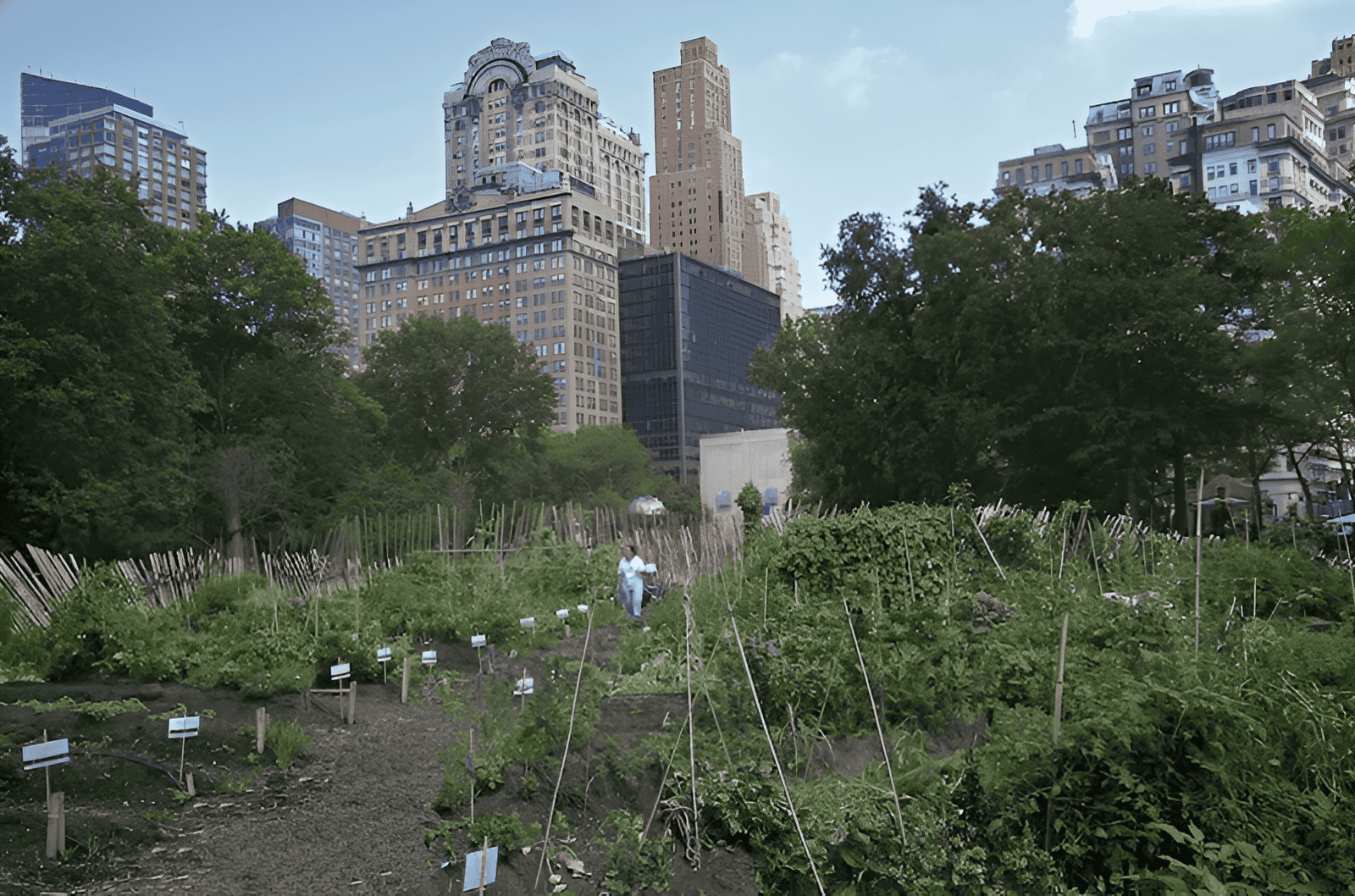
In many cities, vacant lots and underused land can be transformed into productive green spaces that support healthier communities. By converting empty spaces into gardens, neighborhoods gain access to nutritious food while improving environmental conditions and creating places where people can gather, learn, and collaborate.
Community gardens also play a powerful role in addressing food access challenges in neighborhoods affected by
food deserts, where affordable fresh food options are limited. By growing food locally, communities reduce dependence on distant supply chains while improving resilience and self-reliance.
Why Inner-City Gardens Matter for Food Security
Access to healthy food is one of the most significant challenges facing many inner-city neighborhoods. Limited grocery stores, high food costs, and transportation barriers can make it difficult for families to obtain nutritious produce.
Community gardens offer a practical solution. By growing food locally, neighborhoods can increase access to fresh fruits and vegetables while strengthening local food systems. These gardens often distribute produce directly to families, schools, and community centers, helping ensure that healthy food reaches those who need it most.
Urban agriculture initiatives also teach residents how to grow their own food, empowering communities with valuable knowledge and skills that support long-term food independence.
How Growing To Give Supports Inner-City Community Development
Among the many organizations working to strengthen urban communities, Growing To Give stands out for its holistic approach to community development. The organization focuses on building resilient neighborhoods by supporting food security initiatives, education programs, and community engagement through local gardens and farms.
Growing To Give works alongside community leaders, volunteers, donors, and local partners to develop programs that meet the unique needs of inner-city residents. Their initiatives help create sustainable systems that address both immediate needs and long-term community resilience.
Through urban farms and community garden programs, Growing To Give helps transform unused land into productive spaces that provide food, education, and opportunity.
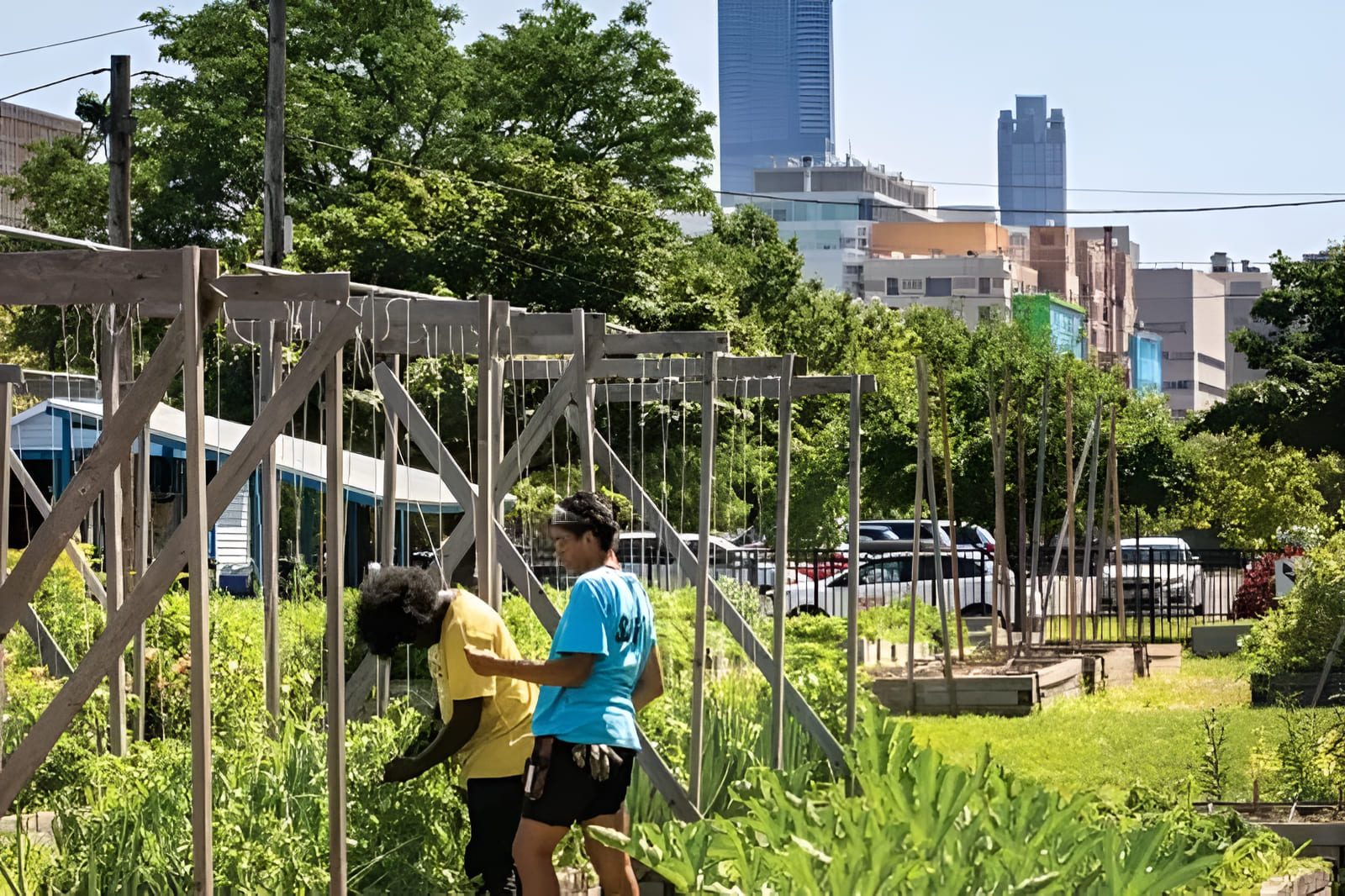
Community gardens are much more than places to grow food. They function as gathering spaces where neighbors meet, collaborate, and build stronger social connections.
Growing To Give supports several initiatives that help communities establish gardens and urban farms where residents can participate in planting, harvesting, and learning about sustainable food production.
These gardens often host educational workshops, volunteer days, and seasonal events that encourage community participation. Programs such as community garden workshops provide hands-on training that helps residents learn practical gardening skills while building relationships with their neighbors.
Fresh Food, Education, and Local Economic Opportunity
One of the most immediate benefits of community gardens is increased access to nutritious food. Produce grown in neighborhood gardens can be distributed through food sharing programs, local markets, or community food outlets that serve families in need.
These programs not only improve nutrition but also educate residents about healthy eating habits and cooking with fresh ingredients. Many gardens host cooking demonstrations and nutrition workshops to help families incorporate fresh produce into their daily meals.
Urban agriculture projects can also create local employment opportunities. Residents may be involved in growing produce, maintaining garden infrastructure, organizing food distribution, or assisting with community education programs. These opportunities help build job skills while strengthening local economies.
Safe Spaces for Youth, Learning, and Community Health
Community gardens provide safe, welcoming spaces where residents can gather and engage in positive activities. These spaces are especially valuable for young people who benefit from environments that encourage learning, creativity, and teamwork.
Programs focused on horticulture education allow youth to develop practical skills while gaining a deeper understanding of environmental stewardship and sustainable agriculture. Gardening activities also help reduce stress and promote mental well-being.
Many urban gardens also provide therapeutic benefits. Participation in gardening can improve emotional health and support recovery for individuals dealing with trauma or addiction. Initiatives such as therapeutic gardens demonstrate how green spaces can contribute to healing and resilience.
Many community garden initiatives also collaborate with organizations that provide housing assistance, recovery services, and veteran support. Gardens can become hubs where residents access resources that help improve stability and quality of life.
For individuals recovering from addiction, gardening programs can provide meaningful daily activity and a supportive environment for healing. Programs connected to gardening and addiction recovery show how working with plants can promote mindfulness, purpose, and personal growth.
Urban gardens also play an important role in supporting veterans transitioning back into civilian life. Programs such as gardens for veterans offer opportunities for employment, therapy, and community engagement.
Addressing Homelessness and Housing Challenges
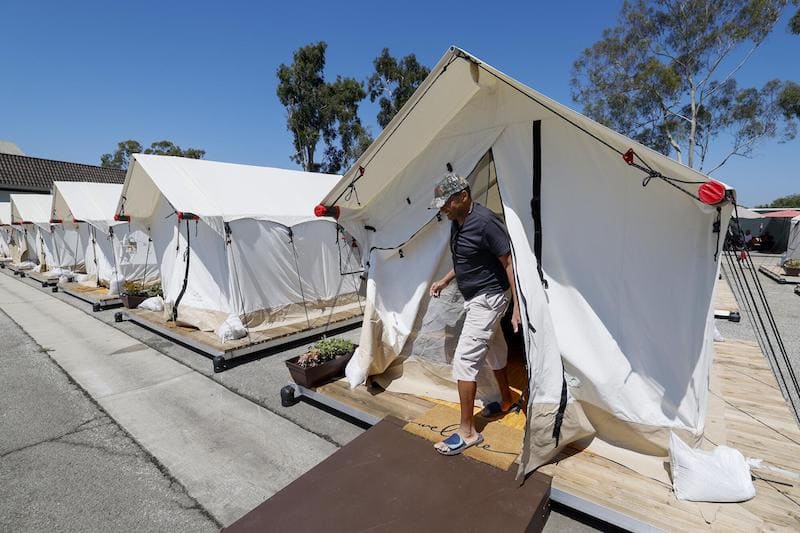
In many inner-city communities, homelessness remains a serious challenge. Non-profit organizations often collaborate with shelters and housing programs to provide support for individuals experiencing housing insecurity.
Community gardens can be integrated into these programs by offering job training, volunteer opportunities, and access to fresh food for shelter residents. Garden programs may work alongside local emergency shelters to provide meals, educational programs, and pathways to employment.
Improving Sanitation and Environmental Health
Transforming vacant lots into gardens can also improve sanitation and environmental conditions in urban neighborhoods. Areas that were once neglected can become clean, productive spaces that reduce litter, improve air quality, and encourage community pride.
Many garden initiatives organize neighborhood cleanup projects and environmental education programs that help residents maintain healthier living environments.
Education as a Long-Term Investment in Community Development
Education is one of the most powerful tools for strengthening communities. Non-profit organizations like Growing To Give invest in educational programs that provide residents with the knowledge and skills needed to create sustainable change.
Programs may include gardening workshops, nutrition education, literacy support, and vocational training. By equipping residents with practical skills and knowledge, these programs help communities become more self-reliant and resilient.
Education initiatives also encourage future leaders to emerge from within the community itself, helping ensure that positive change continues for generations.
Inner-city community gardens demonstrate the power of collective action. When residents, volunteers, and organizations work together, neighborhoods can transform unused land into thriving spaces that provide food, opportunity, and hope.
Organizations like Growing To Give play an important role in this transformation by supporting programs that address food security, community engagement, education, and economic opportunity.
Through these efforts, community gardens become more than green spaces—they become catalysts for healthier neighborhoods, stronger local economies, and more resilient urban communities.

.png)
.png)
.png)

.png)