Pollinators • Biodiversity • Food Production
Bee-Friendly Garden Tips: Boost Pollination for More Fruits and Seeds 🐝
Bee-friendly gardens support pollinators that are essential for growing fruits, vegetables, and seeds—helping increase yields, improve biodiversity, and strengthen local food systems.
Quick answer: Bee-friendly gardens attract pollinators like bees, butterflies, and birds that transfer pollen between flowers, increasing fertilization, improving plant health, and boosting crop yields.
What Is a Bee-Friendly Garden?
A bee-friendly garden is designed to provide nectar, pollen, shelter, and safe habitat for pollinators. By planting diverse, flowering species and minimizing chemical use, these gardens create thriving ecosystems that directly support food production.
Definition: Pollinators are animals that move pollen from one flower to another, enabling fertilization and the production of fruits, seeds, and new plants.
Pollinators such as bees, butterflies, moths, beetles, birds, and bats play a critical role in agriculture and natural ecosystems. Without them, many of the foods we rely on—including fruits, nuts, and vegetables—would see reduced yields or fail to develop entirely.
Did you know? About 75% of the world’s flowering plants and roughly one-third of global food crops depend on pollinators for reproduction and yield.
By creating bee-friendly gardens in backyards, farms, and community spaces, growers can increase harvests, support biodiversity, and contribute to healthier, more resilient ecosystems.
Why Pollination Is Essential for Fruits and Vegetables
Pollination is the natural process that allows plants to reproduce. It occurs when pollen is transferred from the male part of a flower (the anther) to the female part (the stigma), allowing fertilization to occur. Once pollination happens successfully, plants can produce seeds, fruits, and vegetables.
Pollinators play a critical role in this process. Bees, butterflies, birds, and other animals move pollen between flowers while feeding on nectar. Without these helpers, many plants would struggle to reproduce and food production would drop significantly.
In fact, pollinators are responsible for fertilizing more than 75% of flowering plants and over one-third of the world's food crops. Apples, blueberries, almonds, tomatoes, cucumbers, and squash all depend heavily on pollinators. When pollinator populations decline, crop yields and biodiversity can decline as well.
Healthy pollinator populations also increase genetic diversity in plant populations. This diversity strengthens ecosystems and helps plants adapt to environmental changes such as drought, pests, and climate shifts.
Gardeners can support these essential ecological partners by designing landscapes that encourage biodiversity, often using principles from
permaculture design principles that emphasize natural balance and resilient ecosystems.
How Bees Pollinate Plants
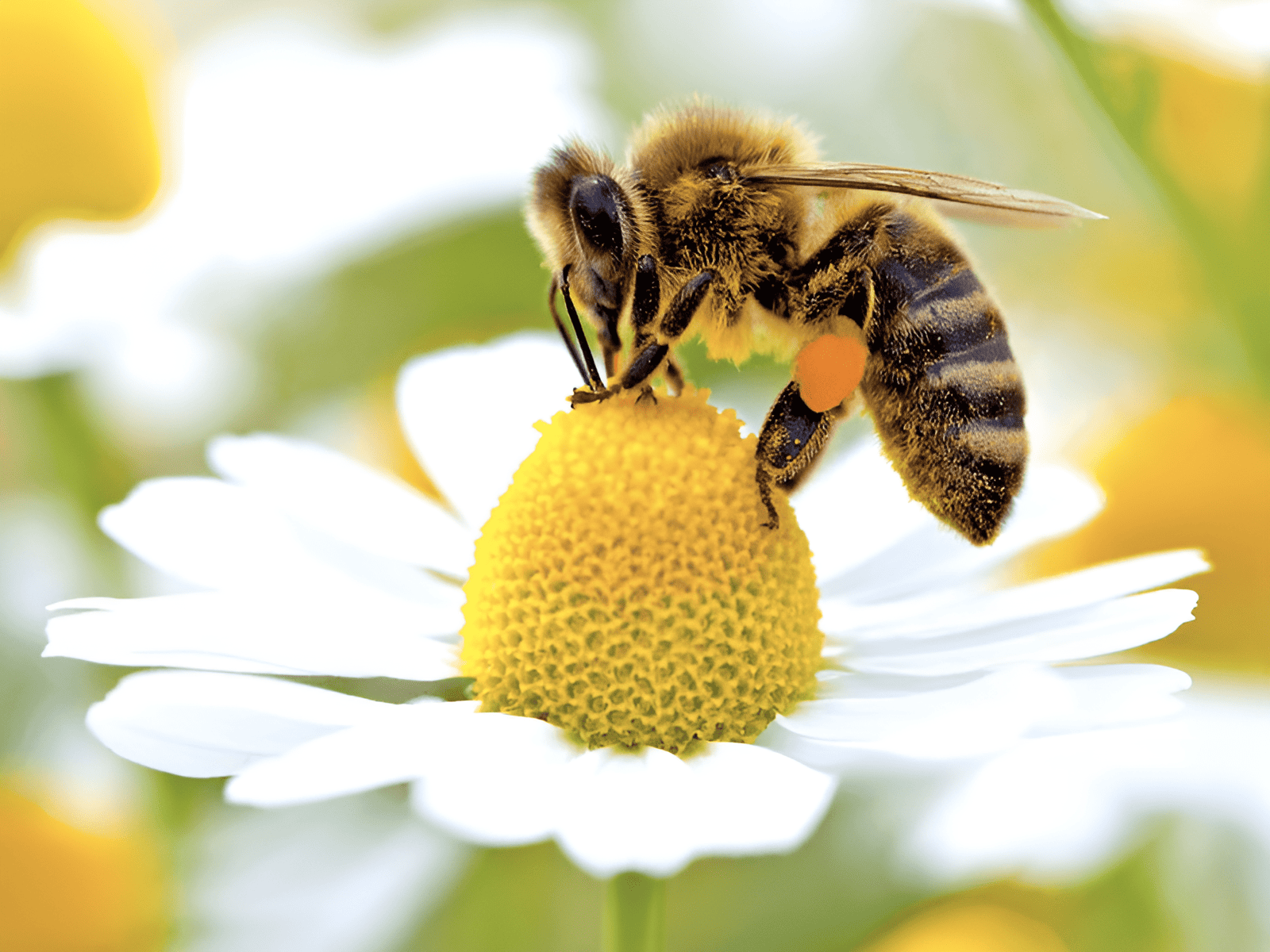
Bees are among the most efficient pollinators in nature. As bees move from flower to flower collecting nectar and pollen, tiny grains of pollen attach to their bodies. When they visit the next flower, some of that pollen rubs off onto the plant’s stigma, completing the pollination process.
Many bees are specially adapted for pollination. Their hairy bodies are ideal for collecting pollen, and their behavior often causes them to visit many flowers in a short period of time. Some species even perform a technique called buzz pollination, where they vibrate flowers to release pollen more effectively.
Because of these specialized behaviors, bees can pollinate plants more efficiently than wind or other insects. This efficiency leads to higher fruit yields, larger harvests, and healthier plant populations in gardens and farms.
Whether you grow vegetables in a backyard bed or herbs on a balcony, encouraging bees can dramatically increase productivity in even small spaces such as those described in this
urban gardening guide.
Why Bees Are the Most Efficient Pollinators
While many animals help pollinate plants, bees are considered the most effective pollinators. Unlike butterflies or birds that feed primarily on nectar, bees actively collect pollen as a protein source for their colonies.
During this process, bees transfer pollen between flowers constantly. A single bee may visit hundreds or even thousands of flowers in a day, making them powerful contributors to plant reproduction.
There are also thousands of species of native bees around the world. Many gardeners are familiar with honey bees, but native bees such as mason bees, leafcutter bees, and bumblebees are often even more efficient pollinators.
These native pollinators thrive in diverse landscapes where flowers bloom throughout the growing season and soil health is maintained through practices like those described in
soil health and regenerative agriculture.
Other Important Pollinators in the Garden
Bees may be the stars of the pollination world, but many other animals contribute to pollination as well. Butterflies, moths, beetles, hummingbirds, and even bats play important roles in helping plants reproduce.
Butterflies are particularly important for pollinating flowering plants that bloom during the day. Moths often pollinate plants that bloom at night. Beetles help pollinate ancient plant species that evolved long before bees appeared.
Creating habitats that support a wide range of pollinators can significantly strengthen ecosystem health. Gardens that incorporate diverse flowering plants, shrubs, and trees often produce stronger food systems and greater biodiversity.
Pollinator habitats can even be incorporated into city landscapes through programs such as
edible landscapes in cities, which transform unused spaces into productive green environments.
Why Pollinators Are Declining Around the World
In recent decades scientists and environmental organizations have documented significant declines in many pollinator populations, including bees, butterflies, and other beneficial insects. Because pollinators are responsible for fertilizing a large percentage of the world’s flowering plants and food crops, these declines have raised serious concerns about food security, biodiversity, and ecosystem stability.
Several major factors contribute to pollinator decline. One of the most widely discussed causes is the widespread use of chemical pesticides. Certain insecticides can contaminate nectar, pollen, and soil, harming pollinators directly or weakening their immune systems and navigation abilities.
Habitat loss is another major driver. As cities expand and natural landscapes are replaced with roads, buildings, and lawns, many pollinators lose the wildflowers, nesting sites, and natural shelter they depend on. Even in rural areas, large-scale monoculture farming can reduce the diversity of plants that pollinators rely on throughout the growing season.
Climate change is also affecting pollinators by shifting flowering seasons, altering migration patterns, and creating new environmental stresses. When plants bloom earlier or later than usual, pollinators may emerge at the wrong time and miss important food sources.
Despite these challenges, gardeners, farmers, and communities can play a powerful role in supporting pollinators. Planting diverse flowering plants, reducing pesticide use, protecting natural habitats, and creating pollinator-friendly landscapes can help restore the ecological balance that these essential species depend on.
Did you know? Scientists estimate that more than 75% of flowering plants and roughly one-third of global food crops depend on animal pollinators. Protecting pollinator habitats is essential for maintaining healthy food systems and resilient ecosystems.
How to Create a Bee-Friendly Garden
Creating a bee-friendly garden does not require a large space. Even small gardens, patios, and balconies can become valuable pollinator habitats when designed thoughtfully.
Here are several practical steps gardeners can take to support pollinators:
• Plant flowers that bloom across seasons. Early spring flowers feed pollinators emerging from winter, while late-season blooms help them prepare for colder months.
• Use native plants whenever possible. Native plants are often better adapted to local pollinators and require fewer resources to thrive.
• Provide shallow water sources. A small dish with stones can give bees a safe place to drink.
• Avoid pesticides and chemical sprays. Many pesticides are harmful or fatal to pollinators.
• Leave some wild habitat. Pollinators often nest in undisturbed soil, stems, or wood.
• Plant flowers in clusters. Large groupings make it easier for pollinators to locate nectar-rich plants.
Community spaces can expand these ideas even further through projects such as
community gardens, where neighbors work together to grow food while supporting local biodiversity.
Best Flowers for Pollinators
Certain plants are particularly attractive to bees and other pollinators. Choosing a variety of nectar-rich flowers can dramatically increase pollinator activity in your garden.
| Plant |
Pollinators Attracted |
Bloom Season |
| Lavender |
Bees, butterflies |
Summer |
| Bee Balm (Monarda) |
Bees, butterflies, hummingbirds |
Summer |
| Milkweed |
Monarch butterflies, bees |
Summer |
| Coneflower (Echinacea) |
Bees, butterflies |
Summer to Fall |
| Sunflowers |
Bees, butterflies |
Summer |
| Salvia |
Bees, hummingbirds |
Spring to Summer |
| Borage |
Bees |
Spring to Summer |
| Goldenrod |
Bees, butterflies |
Late Summer to Fall |
| Asters |
Bees, butterflies |
Fall |
| Wildflowers (native species) |
Bees, butterflies, beetles |
Varies by region |
Some of the best plants for pollinators include:
• Lavender
• Coneflower (Echinacea)
• Bee balm (Monarda)
• Borage
• Sunflowers
• Salvia
• Milkweed
• Wildflowers native to your region
Planting these flowers alongside fruits and vegetables can improve pollination rates and increase yields. Pollinator-friendly gardens also help address broader food access challenges in communities affected by
food deserts.
FREE DOWNLOAD
Pollinator Garden Plant List (Printable)
Get a simple, printable list of pollinator-friendly plants you can bring to the nursery—organized for season-long blooms
and better fruit set in home gardens.
- Bloom season guidance (spring → fall)
- Top plants for bees + butterflies
- Easy “plant in clusters” checklist
Reduce Pesticides to Protect Pollinators
One of the most important actions gardeners can take to protect pollinators is reducing pesticide use. Many chemical pesticides harm pollinators by contaminating nectar, pollen, and soil.
Instead of relying on chemical treatments, gardeners can use natural pest management strategies such as companion planting, encouraging beneficial insects, improving soil health, and maintaining balanced ecosystems.
Healthy gardens with diverse plant life often experience fewer pest outbreaks because natural predator insects help maintain ecological balance.
By protecting pollinators, gardeners support both local ecosystems and global food systems.
Why Pollinator Gardens Matter for Food Security
Pollinator gardens are not just about creating a beautiful yard—they help protect the systems that make fresh food possible. When bees and other
pollinators thrive, gardens and farms produce more fruits, vegetables, nuts, and seeds. That means stronger harvests, better crop reliability,
and healthier local ecosystems that can withstand stress from heat, drought, and pests.
This connection matters most in communities where fresh food access is already limited. In many regions, shortages of affordable produce are tied
to distance, transportation barriers, and gaps in local food infrastructure. Supporting pollinators is one practical way to strengthen local food
production and resilience in places affected by
food deserts.
Pollinator-friendly planting also scales beautifully from backyards to neighborhoods. When multiple households, schools, and public spaces add
season-long blooms and reduce pesticide use, the collective habitat becomes large enough to support stronger pollinator populations. That’s one
reason pollinator gardens pair so well with
community gardens,
where shared land can grow fresh food while rebuilding biodiversity at the same time.
In short: pollinator gardens improve yields today—and they help protect the long-term capacity of communities to grow food locally, affordably,
and sustainably.
Help Pollinators Thrive
Pollinators are essential for healthy ecosystems and food production. Community gardens, urban farms, and pollinator habitats can transform unused land into thriving ecosystems that support biodiversity and strengthen local food systems.
🐝 Help Pollinators Thrive
Pollinators are essential for healthy ecosystems and food production. Community gardens, urban farms, and pollinator habitats can transform
unused land into thriving ecosystems that support biodiversity and strengthen local food systems.

.png)
.png)
.png)

.png)