Prairie Soil • Bison Grazing • Regenerative Ecosystems
Buffalo Soil: How Bison Created the Black Earth of the North American Prairies 🐃
Prairie black soil was formed over thousands of years through the interaction of grasses, microorganisms, and grazing bison—creating one of the most fertile ecosystems on Earth.
Quick answer: Buffalo soil formed when bison grazing, trampling, and manure deposition worked together with prairie grasses and microbes to build deep, carbon-rich, highly fertile soil.
What Is Prairie Black Soil (Buffalo Soil)?
Prairie black soil—sometimes called “buffalo soil”—is a deep, dark, organic-rich soil that developed in North American grasslands through long-term ecological processes involving plants, animals, and microorganisms.
Definition: Prairie black soil is a fertile, humus-rich soil formed through the interaction of grassland ecosystems, grazing animals like bison, and natural nutrient cycling over thousands of years.
These soils are known for their exceptional fertility, strong structure, and ability to retain water—making them some of the most productive agricultural soils in the world.
Did you know? The Great Plains once supported millions of migrating bison, whose movement patterns helped build and maintain the rich soils that still support agriculture today.
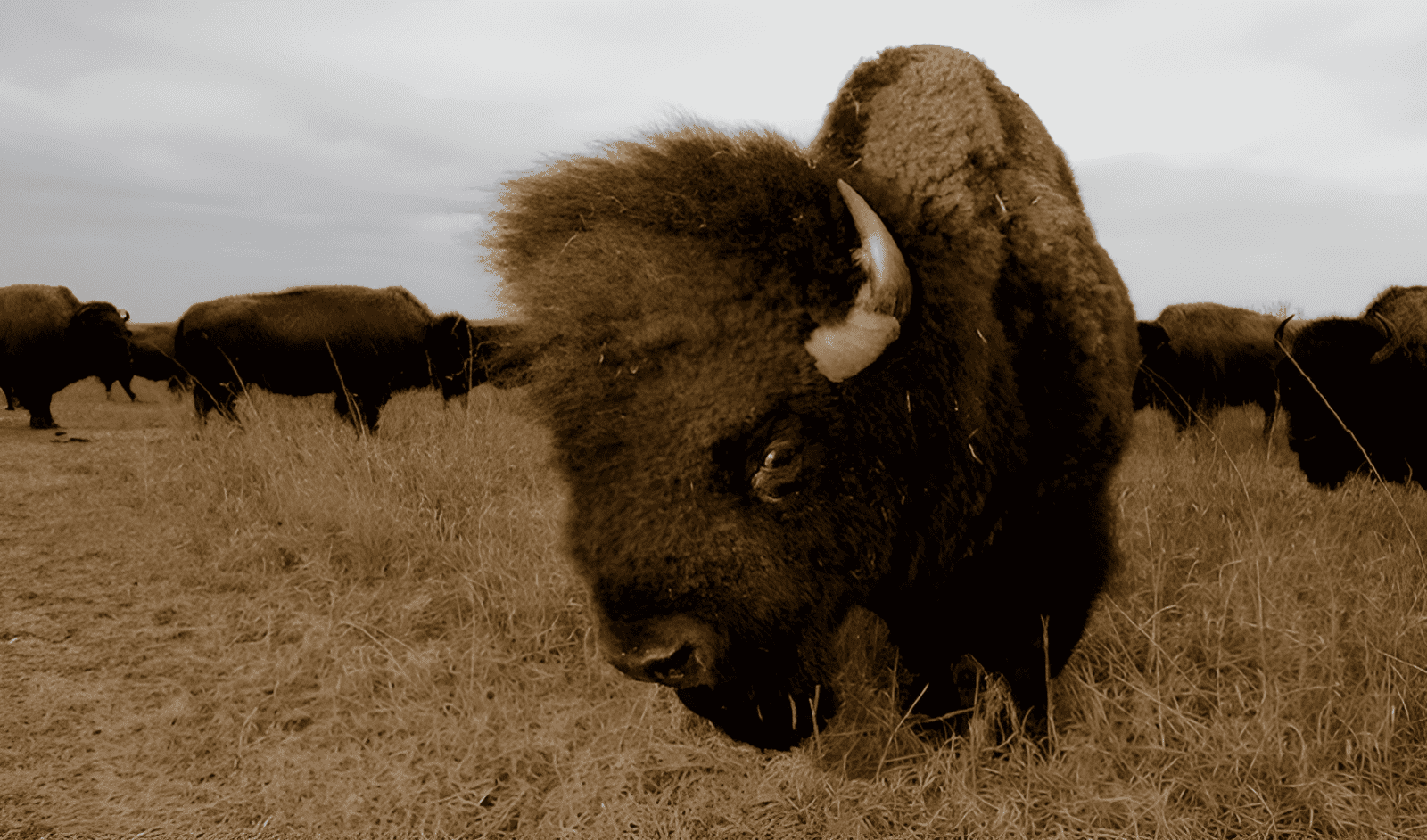
For thousands of years, bison acted as ecosystem engineers—grazing grasses, stimulating plant regrowth, trampling organic matter into the soil, and depositing nutrients through manure. These processes accelerated soil formation and enhanced biodiversity.
Similar soil-building processes can be seen in other regions, such as the
chernozem soils of Eastern Europe, where grassland ecosystems also created deep, fertile black soils.
Understanding how prairie soils formed provides valuable insight into modern regenerative agriculture, demonstrating how managed grazing and natural systems can rebuild soil health, increase carbon storage, and restore productive landscapes.
The Ecological History of Bison and Prairie Soil Formation
Prior to European settlement, the North American Great Plains supported an estimated 30 to 60 million bison. These massive grazing animals moved continuously across the grasslands in response to seasonal forage availability, weather patterns, and predator pressure. Their constant movement prevented overgrazing in any single location while stimulating plant regrowth and maintaining high levels of grassland productivity.
Bison grazing influenced prairie ecosystems in several important ways. As the animals fed on grasses, they stimulated new plant growth and encouraged the development of deeper and more resilient root systems. Prairie grasses respond to grazing by producing additional shoots and expanding their root networks underground. These roots eventually die and decompose, contributing large quantities of organic carbon to the soil.
Trampling by bison hooves also disturbed the soil surface in beneficial ways. Their movement broke apart hardened soil crusts and pressed plant material into the ground, helping organic matter decompose more rapidly. Small depressions created by hoof prints allowed rainwater to infiltrate the soil rather than run off the surface, reducing erosion and improving soil moisture retention.
At the same time, bison deposited manure and urine across the landscape. These natural fertilizers provided essential nutrients such as nitrogen, phosphorus, and potassium. The combination of plant growth, organic matter decomposition, and nutrient cycling gradually produced the dark, carbon-rich soils that are characteristic of prairie ecosystems. In some locations, this organic-rich soil profile reached depths of more than twenty feet.
Grassland Ecology and the Biological Processes that Build Prairie Soil
Grasslands are unique ecosystems that evolved under conditions of periodic disturbance, including grazing, fire, drought, and seasonal climate variability. Unlike forest ecosystems that concentrate biomass above ground, prairie ecosystems store most of their biological productivity below ground in the form of extensive root systems.
Many native prairie grasses—including big bluestem, switchgrass, Indian grass, and buffalo grass—develop root systems that extend several feet into the soil. These roots stabilize the soil structure, improve water infiltration, and provide a continuous source of organic matter as old roots decompose and new ones form.
Below the soil surface, complex communities of microorganisms support this system. Bacteria, fungi, and soil invertebrates break down organic material and convert it into nutrients that plants can use. This microbial activity contributes to the formation of stable soil aggregates, which improve soil structure and enhance the soil’s ability to store both water and carbon.
The interaction between grasses, microbes, and grazing animals created a dynamic nutrient cycle that sustained prairie ecosystems for thousands of years. These biological processes transformed plant material into rich soil, producing the deep black horizons that distinguish prairie landscapes from many other soil types.
Deep Prairie Soils: The Legacy of Thousands of Years of Bison Grazing
One of the most remarkable characteristics of prairie ecosystems is the depth of their soil profiles. In certain regions of the Great Plains, organic-rich prairie soils can extend more than twenty feet below the surface. This extraordinary depth developed gradually over thousands of years as plant roots, organic residues, and animal inputs accumulated layer by layer.
The accumulation of organic matter is a key factor in soil fertility. As plant material decomposes, it forms humus—a stable form of organic carbon that enhances soil structure and nutrient availability. Humus also improves the soil’s ability to retain water, allowing prairie ecosystems to withstand periods of drought.
This deep soil profile provides a stable foundation for diverse plant communities and supports the remarkable productivity of prairie ecosystems. Even today, the agricultural productivity of many regions in the United States and Canada depends on the soil resources originally created by these natural ecological processes.
The formation of deep prairie soils illustrates how ecosystems can generate long-term environmental resilience. These soils not only support plant growth but also store large amounts of carbon, helping regulate atmospheric carbon levels and contributing to global climate stability.
These biological soil-building processes are central to modern
regenerative agriculture
and sustainable land management. Healthy soils also play a critical role in
the interconnected future of land, water, and food systems,
where soil health supports water retention, biodiversity, climate resilience, and long-term global food security.
Characteristics of Prairie Black Soil
The soils commonly referred to as “buffalo soil” are distinguished by several important characteristics that make them highly productive and ecologically valuable.
First, prairie black soils contain high concentrations of organic matter. The dark color of these soils results from the accumulation of decomposed plant material and stable carbon compounds. Organic matter improves soil structure, increases water-holding capacity, and provides a long-term reservoir of nutrients for plants.
Second, these soils exhibit excellent moisture retention. The combination of organic matter and stable soil aggregates allows prairie soils to absorb and store rainfall efficiently. This characteristic helps prairie ecosystems remain productive even during periods of limited precipitation.
Third, prairie soils possess strong nutrient retention capacity. Organic matter and clay particles bind nutrients within the soil, preventing them from being easily washed away by rainfall. This allows plants to access essential nutrients throughout the growing season and supports the development of highly productive grassland communities.
These characteristics explain why prairie soils have historically supported extensive agriculture across North America. At the same time, they demonstrate the importance of maintaining soil health through sustainable land management practices that preserve organic matter and biological activity.
Healthy prairie soils also sustain the diverse plant communities that form the ecological foundation of grassland ecosystems. These plant communities support pollinators, wildlife habitat, and long-term landscape resilience.
The Role of Bison in Prairie Restoration and Soil Rehabilitation
In recent decades, scientists and land managers have increasingly recognized the ecological importance of bison in restoring degraded prairie landscapes. As agricultural expansion and livestock grazing replaced natural grasslands, many ecosystems lost the ecological processes that originally sustained soil health.
Reintroducing bison to prairie landscapes helps restore these natural processes. Bison grazing stimulates plant diversity, encourages deep root growth, and enhances soil carbon accumulation. Their grazing patterns create a mosaic of plant heights and habitats that support biodiversity across the landscape.
The physical disturbance created by bison hooves improves soil aeration and enhances water infiltration. At the same time, manure deposition replenishes soil nutrients and supports microbial activity. Together, these processes improve soil structure, increase organic matter levels, and help rebuild resilient prairie ecosystems.
The regeneration of native grasses—including Indian grass, buffalo grass, dropseed, cordgrass, and switchgrass—often follows the reintroduction of bison. These species are well adapted to grazing and contribute to the long-term stability of prairie soils.
Case Studies of Bison Reintroduction and Soil Recovery
Several prairie restoration initiatives across North America have demonstrated the ecological benefits of reintroducing bison to grassland ecosystems. Tribal lands, conservation reserves, and national parks have successfully restored bison populations while improving soil health and biodiversity.
Organizations such as the InterTribal Buffalo Council have helped reintroduce bison to tribal lands throughout the United States. These initiatives not only restore ecological processes but also support cultural renewal and economic opportunities for Indigenous communities. The restoration of bison herds strengthens food sovereignty and reconnects Native American tribes with a keystone species historically central to their culture.
In addition to cultural benefits, bison restoration can also help mitigate the impacts of climate change on grassland ecosystems. Bison are well adapted to the harsh conditions of the Great Plains, including extreme temperatures, drought, and limited forage availability. Their presence helps maintain resilient ecosystems capable of adapting to changing environmental conditions.
Scientific studies consistently show that landscapes managed with bison grazing often support greater plant diversity, improved soil structure, and higher levels of soil organic carbon. These improvements benefit wildlife habitat, enhance water retention, and strengthen the long-term sustainability of grassland ecosystems.

.png)
.png)
.png)

.png)