Sustainable Architecture • Emergency Housing • Biodegradable Shelters
Innovative Approaches to Sustainable Architecture: The Rise of Biodegradable Shelters 🏡
Biodegradable shelters offer a low-impact approach to emergency housing by combining rapid deployment, renewable materials, and reduced long-term environmental waste.
Quick answer: Biodegradable emergency shelters provide fast, affordable, and lower-waste temporary housing using natural or compostable materials that can be recycled, repurposed, or safely decomposed after use.
What Are Biodegradable Emergency Shelters?
Biodegradable emergency shelters are temporary housing structures designed to provide immediate protection after natural disasters, humanitarian crises, or displacement events while reducing long-term environmental impact.
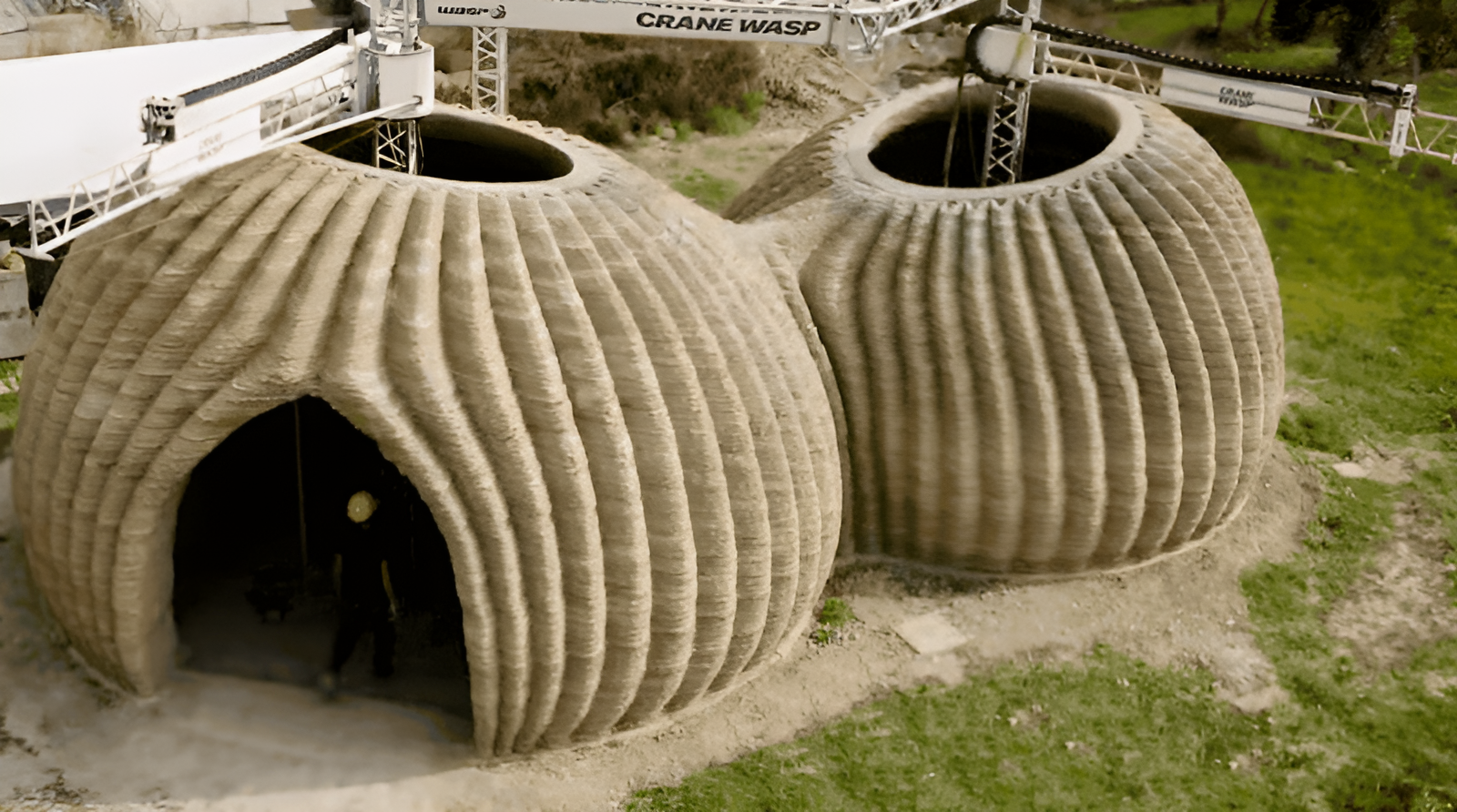
Definition: Biodegradable emergency shelters are temporary shelters made from natural, compostable, or low-waste materials such as bamboo, wood fiber, agricultural byproducts, mycelium composites, and biodegradable polymers.
These shelters are part of a broader shift in sustainable architecture toward buildings that use fewer resources, generate less waste, and work more harmoniously with surrounding ecosystems.
Did you know? Temporary shelters made from renewable and compostable materials can help reduce landfill waste, transport burden, and long-term cleanup costs after disaster-response operations.
Sustainable architecture does more than conserve resources. It also prioritizes healthier living environments through better ventilation, natural light, non-toxic materials, and small-footprint design—features that are especially important when displaced populations need safe shelter for extended periods.
Today, architects and humanitarian organizations are exploring new ways to meet urgent housing needs without creating additional environmental damage. Biodegradable shelters stand out as one of the most promising solutions by combining speed, affordability, and ecological responsibility.
The Need for Innovative Approaches in Sustainable Architecture
As global populations grow and environmental pressures increase, architects and designers are seeking new ways to create buildings that reduce ecological impact while meeting human needs. Sustainable architecture continues to evolve beyond traditional green building practices by exploring new materials, construction methods, and design strategies that minimize waste, conserve resources, and support resilient communities.
One promising innovation is the development of biodegradable shelters. These structures represent a forward-thinking approach to sustainable architecture and emergency housing. By using natural or compostable materials and efficient construction techniques, biodegradable shelters are designed to provide temporary housing solutions while leaving a much smaller environmental footprint than conventional buildings.
Although the concept may sound modern, the idea of building temporary shelters from natural materials has existed for centuries. Throughout history, communities have constructed shelters using materials such as wood, bamboo, straw, and earth—materials that eventually decompose and return safely to the environment.
Today’s biodegradable shelters combine these traditional ideas with modern engineering and material science. New design strategies and renewable materials allow architects to create structures that are not only biodegradable, but also durable, affordable, and suitable for a wide range of applications, particularly in disaster response and humanitarian relief.
What Are Biodegradable Shelters?
Biodegradable shelters are temporary or semi-permanent structures designed to naturally break down or be safely recycled after their useful life. They are commonly deployed in emergency situations, such as natural disasters or refugee crises, where communities require quick and environmentally responsible housing solutions. These shelters can also be used for temporary events, eco-tourism structures, or experimental sustainable architecture projects.
Most biodegradable shelters are built using materials that can either decompose naturally or be easily recycled. Examples include bamboo, straw bale, wood fiber panels, hemp-based composites, and certain types of biodegradable plastics. When the shelter is no longer needed, many of its components can be disassembled and returned to natural systems rather than becoming long-term landfill waste.
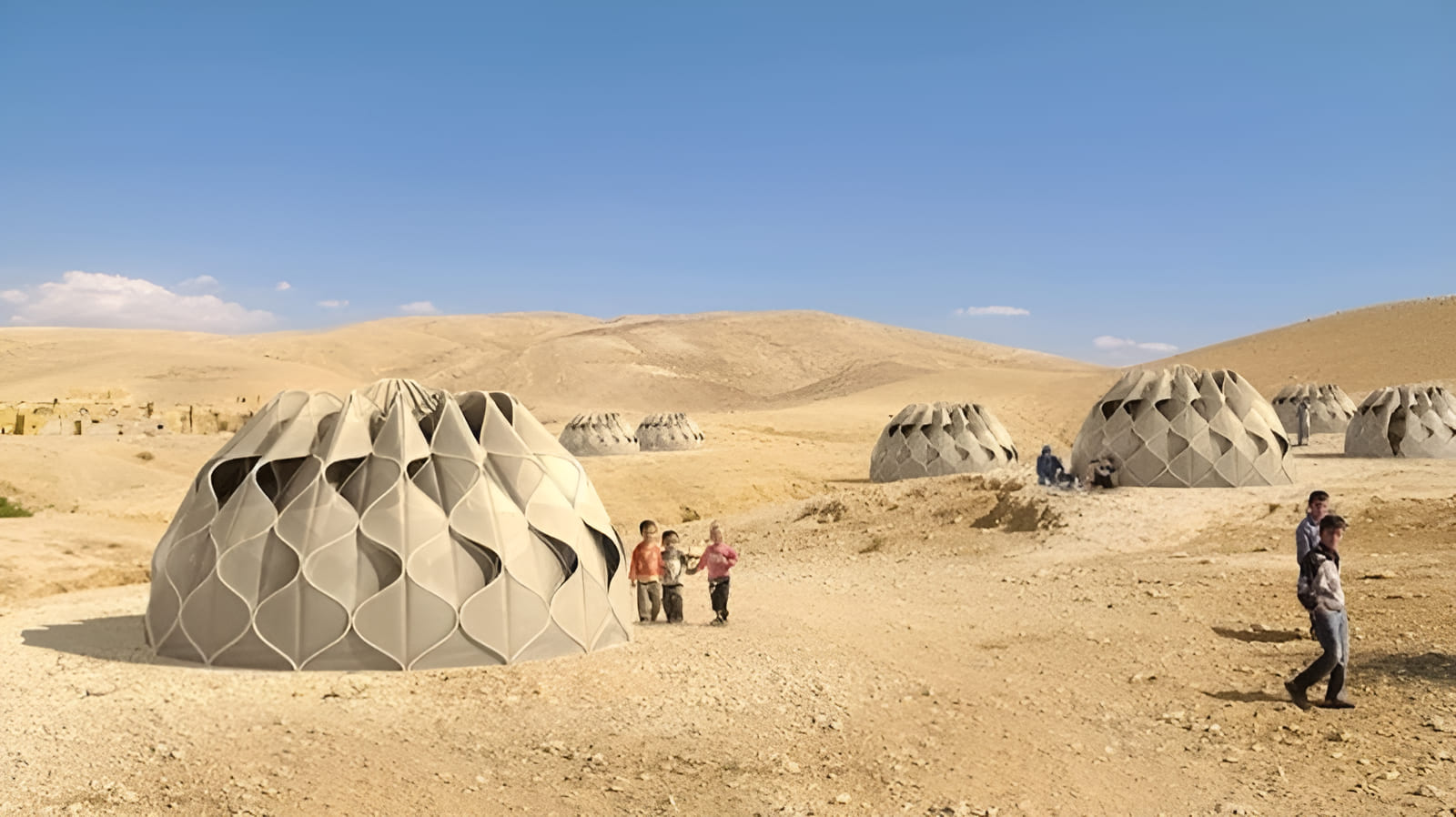
Because these shelters are designed to be lightweight and modular, they are often easy to transport and assemble. This makes them especially valuable in humanitarian relief efforts where rapid deployment, affordability, and minimal environmental impact are essential.
Materials Used in the Construction of Biodegradable Shelters
The materials used in biodegradable shelters are carefully selected to balance durability with environmental responsibility. Shelter components must be strong enough to withstand weather and daily use while remaining biodegradable or recyclable at the end of their life cycle.
Natural materials such as bamboo, straw, and sustainably harvested wood are commonly used because they are renewable, widely available, and structurally resilient. Bamboo, for example, grows rapidly and offers exceptional strength relative to its weight, making it an excellent structural material for temporary housing systems.
Recycled and reclaimed materials also play an important role. Panels made from recycled plastics, metal frames, or repurposed construction materials can increase durability while reducing the demand for newly manufactured resources.
The Environmental Impact of Biodegradable Shelters
One of the most important advantages of biodegradable shelters is their reduced environmental impact. Traditional temporary structures often generate large amounts of waste once they are abandoned or replaced. In contrast, biodegradable shelters are designed with a circular lifecycle in mind.
Using biodegradable or recyclable materials helps reduce landfill waste and lowers the overall carbon footprint of construction. Many designs also incorporate modular building techniques that minimize construction waste and allow components to be reused in future projects.
Because these shelters can be disassembled and returned to natural systems, they avoid contributing to the long-term problems of abandoned infrastructure or environmental land and water degradation. This makes them especially valuable in areas where rapid development and disaster recovery can otherwise lead to large amounts of construction waste.
Biodegradable Shelters as an Emergency Housing Solution
In emergency situations such as natural disasters, conflicts, or refugee crises, the need for rapid and affordable housing becomes urgent. Biodegradable shelters provide an innovative solution by offering safe, quickly deployable housing that minimizes long-term environmental impact.
Because these shelters are designed for simple assembly, they can often be constructed quickly using locally available materials and labor. This allows relief organizations and governments to provide immediate shelter to displaced populations while avoiding the environmental costs associated with large-scale temporary housing developments.
While primarily designed for short-term use, biodegradable shelters can also serve as longer-term housing solutions in certain situations, such as refugee camps or remote communities. Their durability, affordability, and environmentally responsible design make them a promising tool for addressing global housing challenges while protecting the natural environment.
Common Materials Used in Biodegradable Emergency Shelters
In addition to natural building materials, modern biodegradable shelters often incorporate specialized bioplastics. These plant-based polymers are derived from renewable resources such as corn starch, sugarcane, or cellulose and are engineered to break down naturally over time under the right environmental conditions. Bioplastics can provide lightweight structural panels, weather-resistant coverings, or insulation layers while maintaining a lower environmental footprint than conventional petroleum-based plastics.
Other important materials include mycelium composites, compressed agricultural fibers, wood panels, hemp-based insulation, and recycled components that can be reused in structural frames or fastening systems. By combining renewable materials with reclaimed resources, designers can improve durability while reducing the demand for newly extracted raw materials.
Material selection is one of the most important factors in the success of biodegradable shelter systems. The best designs balance strength, affordability, weather resistance, ease of transport, and end-of-life recyclability or decomposition. This balance allows shelters to perform effectively in difficult conditions without creating unnecessary long-term waste.
Why Biodegradable Shelters Matter for Climate Resilience
As climate change increases the frequency and severity of floods, storms, droughts, and displacement events, the need for resilient temporary housing continues to grow. Biodegradable shelters offer a practical response by providing emergency housing systems that can be deployed quickly while reducing environmental harm during recovery efforts.
These shelters matter not only because they protect people in times of crisis, but also because they help communities rebuild with fewer waste burdens and lower material impacts. In regions facing repeated disasters or long recovery timelines, low-impact shelter systems can reduce pressure on landfills, conserve resources, and support more sustainable disaster planning.
Biodegradable shelters also align with broader climate resilience strategies that emphasize circular construction, renewable materials, and flexible housing systems. They demonstrate how emergency response and environmental responsibility can work together rather than being treated as separate goals.
Challenges and Limitations of Biodegradable Shelter Design
Despite their promise, biodegradable shelters also face important design and implementation challenges. Materials must be durable enough to withstand wind, moisture, temperature shifts, and repeated use while still remaining biodegradable or recyclable at the end of their lifecycle. Balancing durability with decomposition is one of the key technical challenges in this field.
There are also practical considerations related to building codes, transportation, local climate, and supply chains. Some materials may perform well in dry environments but require additional protection in humid or storm-prone regions. In other cases, the availability of suitable materials or skilled labor may determine whether a biodegradable shelter system is feasible at scale.
For these reasons, successful shelter systems often rely on hybrid strategies that combine natural materials, modular construction, protective detailing, and thoughtful site planning. Continued innovation in materials science and humanitarian design will be essential to expanding the effectiveness and reliability of biodegradable emergency housing.
The Lifecycle of a Biodegradable Shelter
The lifecycle of a biodegradable shelter begins with thoughtful design and responsible material selection. Architects and engineers choose renewable or compostable materials that allow shelters to be assembled quickly while remaining easy to dismantle when they are no longer needed. Many designs use modular components so that shelters can be transported efficiently and constructed with minimal tools or specialized labor.
Once assembled, these shelters can provide safe housing for a wide range of timeframes—from a few days following a disaster to several months or even years in longer-term recovery situations. Their lightweight structures and adaptable designs allow them to serve displaced communities, humanitarian relief operations, and remote settlements where traditional construction may not be practical.
When the shelter reaches the end of its useful life, many of its components can be disassembled and responsibly returned to natural systems. Biodegradable materials may be composted, while recyclable components can be reused or processed into new building materials. This approach reduces landfill waste and supports a more circular model of construction and resource use.
Every stage of the shelter’s lifecycle—from raw material sourcing to final disassembly—is designed to minimize environmental impact. By prioritizing renewable materials, efficient construction methods, and responsible end-of-life management, biodegradable shelters help demonstrate how housing solutions can align with broader sustainability goals, including efforts to address climate change and environmental resilience.
The Rise and Future of Biodegradable Shelters in Sustainable Architecture
Biodegradable shelters represent an emerging frontier in sustainable architecture. As climate change, population displacement, and natural disasters increase the demand for temporary housing solutions, architects and humanitarian organizations are exploring more environmentally responsible alternatives to conventional emergency shelters.
Advances in material science are expanding the possibilities for biodegradable construction. New plant-based composites, mycelium materials, and innovative natural fibers are being developed to create structures that are stronger, lighter, and more durable while still capable of safely decomposing at the end of their lifecycle.
The Potential of Biodegradable Shelters for Sustainable Architecture
Several real-world projects have already demonstrated the potential of biodegradable shelters. Following the 2010 earthquake in Haiti, architects and humanitarian organizations built temporary shelters using bamboo and other natural materials. These structures provided rapid, affordable, and environmentally responsible housing for communities displaced by the disaster.
Another example is the "B Home" project in India, which provides temporary shelters for homeless individuals. Constructed from recycled and repurposed materials, these shelters are designed for quick assembly, mobility, and adaptability in urban environments.
As sustainable architecture continues to evolve, biodegradable shelters are likely to play an increasingly important role in disaster preparedness, humanitarian relief, and temporary housing systems. Their combination of affordability, environmental responsibility, and rapid deployment makes them a promising solution for addressing the growing global need for resilient housing.


.png)
.png)
.png)

.png)