UKRAINIAN SOIL
Why Ukrainian Soil Is Among the Most Fertile on Earth 🌾
Discover how chernozem—Ukraine’s rich black earth—supports exceptional crop yields through deep organic matter, moisture retention, and balanced soil chemistry.
EXPLORE
UKRAINIAN SOIL
Discover how chernozem—Ukraine’s rich black earth—supports exceptional crop yields through deep organic matter, moisture retention, and balanced soil chemistry.
EXPLORE
Chernozem • Soil Fertility • Global Agriculture
Chernozem—known as “black earth”—is one of the most fertile soils on Earth, supporting high agricultural productivity through deep organic matter, rich nutrients, and living soil biology.
Quick answer: Chernozem is a nutrient-rich, organic soil with deep humus layers that supports exceptional crop yields, making regions like Ukraine some of the most productive agricultural areas in the world.
Chernozem is a dark, highly fertile soil formed over thousands of years under grassland ecosystems. It is rich in organic matter, beneficial microorganisms, and essential nutrients such as nitrogen, phosphorus, and potassium.
Definition: Chernozem is a fertile black soil characterized by thick humus layers, high nutrient content, and strong soil structure that supports productive agriculture.
Ukraine is often called the “breadbasket of Europe” because of the widespread presence of chernozem soils, which provide ideal growing conditions for grains, vegetables, and other crops.
Did you know? Chernozem soils can contain up to 10% organic matter, far higher than many other soil types, contributing to their exceptional fertility and water-holding capacity.
The richness of chernozem comes from its deep humus layers, stable soil structure, and active biological life—factors that allow plants to access nutrients and water efficiently.
These soils are not limited to Ukraine; they are also found in parts of Russia, Kazakhstan, and North America. However, Ukraine’s extensive chernozem regions make it one of the most important agricultural zones in the world.
Understanding and protecting soils like chernozem is critical for global food security, as they demonstrate the long-term value of organic matter, biodiversity, and sustainable land management.
Several natural factors contribute to the exceptional productivity of Ukrainian soils. The region benefits from a favorable agricultural climate that includes a balance of long sunny growing seasons, and moderate temperatures that support healthy plant development.
Ukraine’s geography also plays an important role. Large expanses of open plains allow for good air circulation and natural soil formation processes. Over thousands of years, grasses and other vegetation contributed organic material to the soil, gradually building the deep, nutrient-rich topsoil that characterizes Chernozem regions today.
Major river systems such as the Dnieper, Danube, and other tributaries further enrich the land. Seasonal flooding historically deposited mineral-rich sediments and organic matter across surrounding floodplains, naturally replenishing soil nutrients and supporting long-term agricultural productivity.
| Soil Property | Description | Agricultural Benefit |
|---|---|---|
| High Organic Matter | Contains large amounts of humus formed from centuries of decomposed grassland vegetation. | Improves soil fertility, nutrient availability, and soil structure. |
| Dark Color | Deep black or dark brown color caused by high organic carbon content. | Absorbs heat efficiently and helps warm soil earlier in the growing season. |
| Moisture Retention | Well-structured soil particles allow water to be stored while maintaining good drainage. | Supports crops during dry periods and reduces irrigation needs. |
| Balanced pH | Typically neutral to slightly alkaline. | Encourages optimal nutrient availability and microbial activity. |
| Deep Topsoil Layer | Often contains thick topsoil horizons reaching several feet deep. | Provides extensive root development and high crop productivity. |
| Rich Nutrient Content | Naturally high levels of nitrogen, phosphorus, and potassium. | Supports productive agriculture including grains, oilseeds, and vegetables. |
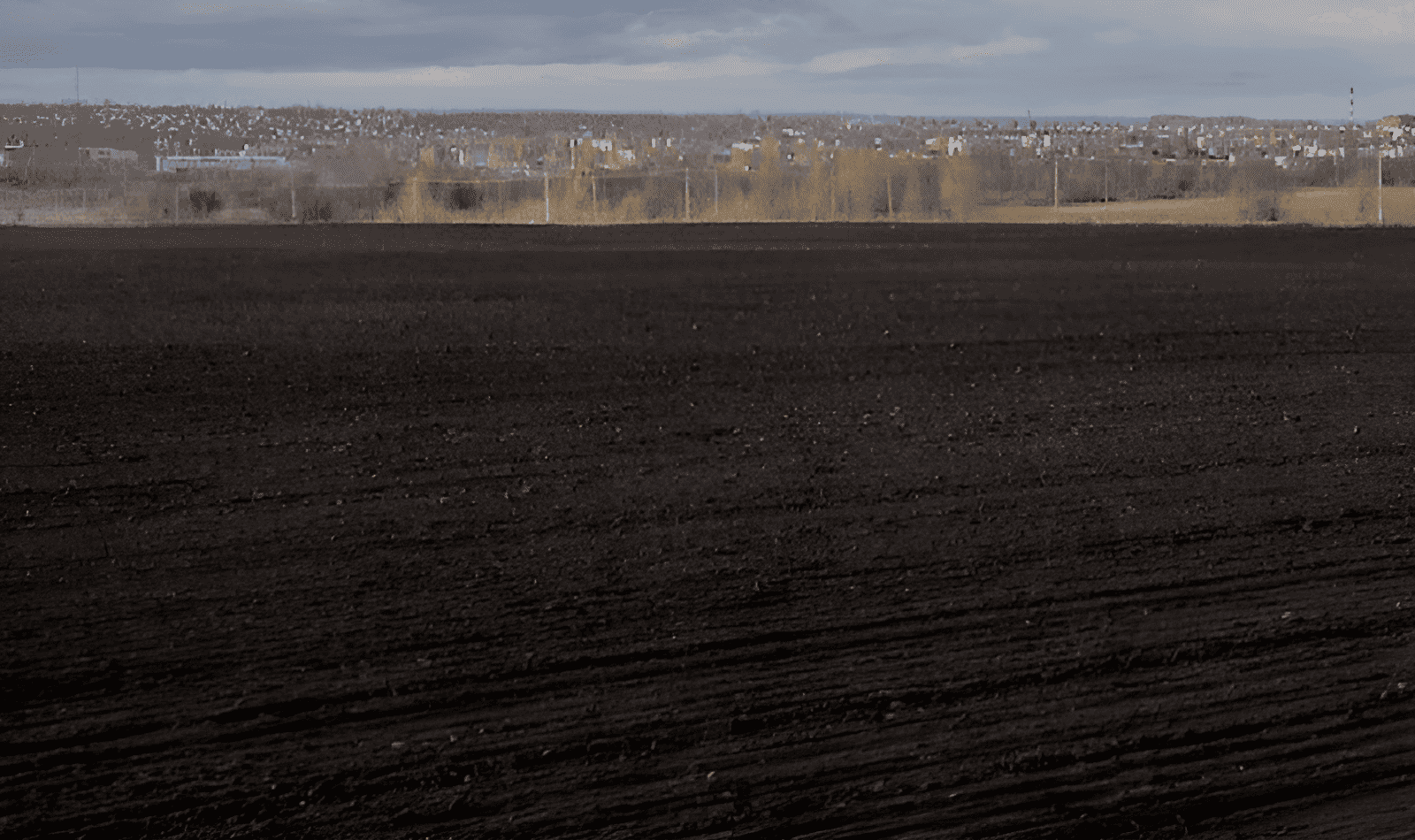
Much of Ukraine’s agricultural productivity is supported by Chernozem, commonly known as “black earth.” This soil type is recognized for its exceptional fertility and several distinctive physical and chemical characteristics. One of the most visible features of chernozem is its deep dark color, which results from high concentrations of organic matter—particularly humus formed from centuries of decomposed grassland vegetation. This organic richness improves soil structure, nutrient availability, and long-term soil productivity.
The dark coloration of chernozem soils also allows them to absorb and retain heat more effectively than lighter soils. This property can help extend the growing season and support plant growth in cooler climates. Similar conditions can be observed in regions such as the Peace River area of northern Alberta, Canada, where fertile soils combined with favorable seasonal sunlight contribute to strong agricultural production.
Another important characteristic of Ukrainian black earth soils is their ability to retain moisture. The well-structured, fine-textured composition of chernozem allows it to hold water efficiently while still maintaining good drainage. This balance provides a reliable water supply for plant roots during dry periods and reduces the need for intensive irrigation.
Chernozem soils also typically maintain a favorable pH range that is neutral to slightly alkaline. This pH balance supports effective nutrient availability and encourages healthy microbial activity in the soil ecosystem. These conditions create an ideal environment for crops such as wheat, barley, sunflowers, and root vegetables including beets and carrots. The combination of organic richness, moisture retention, and balanced soil chemistry makes Ukrainian black earth one of the most productive agricultural soils in the world.
Soil fertility plays a central role in Ukraine’s agricultural economy. The country’s fertile soils support the cultivation of a wide range of crops, including grains, vegetables, fruits, and oilseeds. Wheat, corn, barley, and sunflower crops in particular benefit from the nutrient-rich soil conditions found throughout much of the region.
Agricultural production supported by chernozem soils contributes significantly to both domestic food supplies and international exports. Because of these productive soils, Ukraine has historically been one of the world’s major grain-producing regions.
Maintaining soil fertility also allows farmers to adopt more sustainable agricultural practices. When soil health is preserved through proper land management, crop yields can remain high while reducing the need for excessive chemical inputs. Long-term soil stewardship helps protect agricultural productivity, food security, and economic stability for future generations.
Beyond its agricultural importance, chernozem has played a major role in shaping the history and development of Eastern Europe. Fertile black earth soils provided the foundation for early agricultural societies and helped support population growth along important river systems such as the Dnieper River.
Over the centuries, many civilizations recognized the value of Ukraine’s fertile land. From the ancient Scythians and the Kievan Rus to later empires and modern states, the agricultural potential of chernozem soils influenced settlement patterns, trade routes, and regional economies. As a result, the black earth soils of Ukraine remain closely connected to the nation’s cultural heritage and agricultural identity.
Despite its natural richness, Ukrainian soil faces modern challenges similar to those affecting agricultural soils worldwide. Intensive farming practices, including heavy mechanization and the long-term use of synthetic fertilizers, can gradually reduce organic matter levels and disrupt natural soil ecosystems.
Soil erosion is another concern, particularly in areas where vegetation cover has been reduced or land is improperly managed. Without protective ground cover or conservation practices, valuable topsoil can be lost through wind and water erosion.
To protect and restore soil fertility, many agricultural systems are increasingly adopting sustainable land management practices. Methods such as crop rotation, cover cropping, and the use of organic fertilizers can improve soil structure, rebuild organic matter, and support long-term productivity.
The fertility of Ukrainian Chernozem soils has long supported the country’s agricultural success. Protecting these soils through responsible land stewardship and regenerative agricultural practices will be essential to maintaining their productivity and ensuring food security for future generations.

.png)
.png)
.png)

.png)
Copyright Ⓡ 2026. All Rights Reserved. Growing To Give