REWILDING
What Is Rewilding? Ecosystem Restoration and Biodiversity Recovery
Learn how rewilding restores ecosystems, rebuilds biodiversity, and improves climate resilience through natural processes, native species, and habitat restoration.
EXPLORE
REWILDING
Learn how rewilding restores ecosystems, rebuilds biodiversity, and improves climate resilience through natural processes, native species, and habitat restoration.
EXPLORE
Rewilding • Biodiversity • Ecosystem Restoration
Rewilding restores natural ecosystems by allowing native species, habitats, and ecological processes to recover—helping rebuild biodiversity and strengthen climate resilience.
Quick answer: Rewilding is the process of restoring ecosystems by reducing human intervention and allowing natural processes, native species, and habitats to regenerate and thrive.
Rewilding is an ecological restoration approach focused on rebuilding natural systems by reintroducing native species, protecting habitats, and allowing ecosystems to function as they did before major human disruption.
Definition: Rewilding is the practice of restoring ecosystems to a more natural state by supporting biodiversity, natural processes, and self-sustaining ecological balance.
This process can occur on large scales—such as restoring forests, grasslands, and wetlands—or in smaller spaces like parks, gardens, and community landscapes, where native plants and pollinators are encouraged to return.
Did you know? Rewilding projects have been shown to increase biodiversity, improve soil health, and enhance water retention, while also helping store carbon and mitigate climate change.
Rewilding works by restoring ecological relationships—such as predator-prey dynamics, plant succession, and soil regeneration—creating resilient systems that can sustain themselves over time.
These efforts align closely with practices like permaculture design, regenerative agriculture, and plant-based ecosystems, all of which contribute to healthier landscapes and communities.
Rewilding is a progressive approach to conservation. It's about letting nature take care of itself, enabling natural processes to shape land and water, repair damaged ecosystems and restore degraded landscapes. Through rewilding, wildlife's natural rhythms create wilder, more biodiverse habitats.
This concept is not only about returning areas of land to a state of wilderness but also about allowing nature to find its own way. It involves minimal human intervention and the reduction or removal of management practices such as animal grazing. The idea is to allow ecosystems to evolve naturally, fostering resilience through diversity.
The concept of rewilding has its roots in the recognition that natural processes, such as predation and natural disturbances like fire, are crucial for maintaining biodiversity. It's about reintroducing these processes, or allowing them to resume where they have been suppressed, and then stepping back.
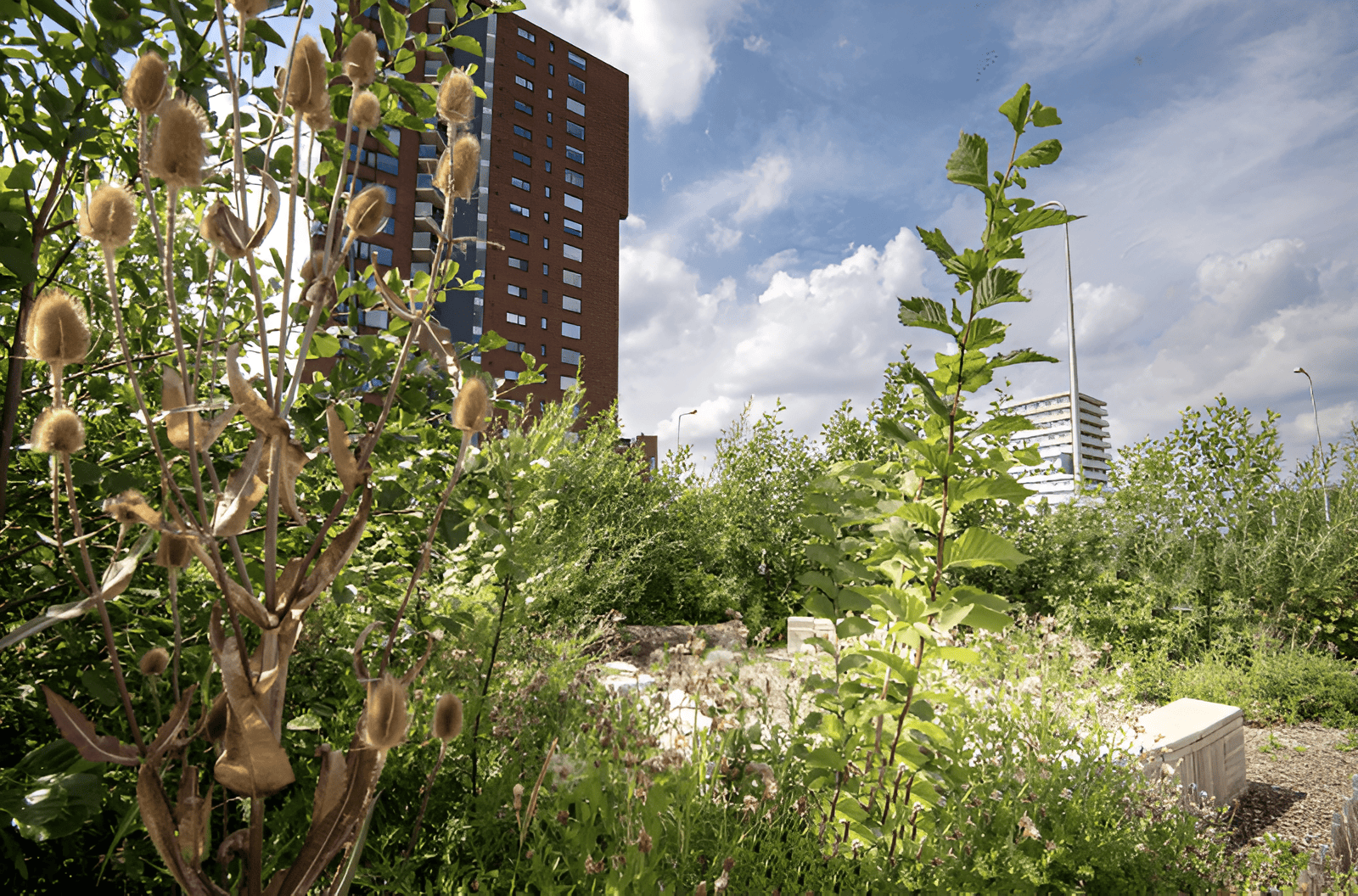
By allowing nature to take its course, rewilding can help reverse the negative impacts of human activities, such as deforestation, overgrazing, and pollution. Ecosystem restoration through rewilding involves the reintroduction of keystone species that play a critical role in maintaining the structure of a native ecological community.
Ecosystem restoration is critical for the survival of many species. By creating more diverse habitats, rewilding a degraded environment can provide homes for a wide range of animals and plants, many of which are currently under threat. The process also helps to restore natural processes like nutrient cycling and natural burn cycles, which are essential for the health of a natural ecosystem.
The benefits of ecosystem restoration through rewilding go beyond biodiversity. Restored ecosystems can store and sequester carbon, helping to mitigate climate change. They can also help to regulate water flow, reducing the risk of floods and droughts.
Environmental rehabilitation is another crucial aspect of rewilding. This process involves restoring damaged ecosystems so that they can support life again. It's about giving nature a helping hand to recover from the environmental degradation caused by activities such as mining, deforestation, and pollution. Rewilding plays a critical role in land reclamation.
Rewilding contributes to environmental rehabilitation by allowing natural processes to take over. For example, in areas affected by deforestation, rewilding can lead to the natural regeneration of forests. In places impacted by pollution, the process can result in the restoration of clean water and healthy soil.
Moreover, rewilding can also contribute to environmental rehabilitation in urban areas. By creating green spaces and corridors, rewilding can provide habitats for wildlife and improve the quality of life for city dwellers. Urban rewilding projects can also help to mitigate the effects of climate change by reducing urban heat islands and improving air quality.
Rewilding plays a vital role in biodiversity recovery. By allowing nature to take its course, we can create more diverse habitats where a wide range of species can thrive. This process involves the reintroduction of native species, the restoration of natural processes, and the creation of larger, more connected areas of wilderness.
Biodiversity recovery is essential for the health of our planet. It helps to ensure the resilience of ecosystems in the face of change, allowing them to recover more quickly from disturbances. A higher level of biodiversity also means that ecosystems can provide a wider range of ecosystem services including pollination, water purification, and carbon sequestration.
Biodiversity recovery is essential for the health of our planet. It helps to ensure the resilience of ecosystems in the face of change, allowing them to recover more quickly from disturbances. A higher level of biodiversity also means that ecosystems can provide a wider range of ecosystem services including pollination, water purification, and carbon sequestration.
Rewilding does not require vast wilderness areas. Communities, neighborhoods, schools, and local organizations can begin restoring biodiversity by making small changes to how land is managed. Even modest projects can create meaningful ecological benefits by supporting native plants, wildlife habitat, and healthier soils.
Small habitat patches—such as native plant gardens, hedgerows, and restored wetlands—can serve as important stepping stones for wildlife, helping species move safely across fragmented landscapes.
Communities interested in ecological restoration can begin rewilding efforts with practical steps such as:
Many community initiatives—such as community gardens, edible landscapes, and regenerative agriculture projects—can integrate rewilding principles. By combining food production with ecological restoration, communities can create landscapes that nourish both people and the environment.
Habitat regeneration is a key aspect of rewilding. This process involves restoring degraded habitats so that they can support life again. It's about recreating the conditions that these habitats need to thrive, whether it's a wetland, a forest, or a grassland.
Rewilding achieves habitat regeneration by allowing natural processes to take over. For example, in a degraded forest, this might involve allowing the trees to grow back naturally, without human intervention. In a drained wetland, it might mean reintroducing water and allowing the ecosystem to adjust, adapt, and regenerate.
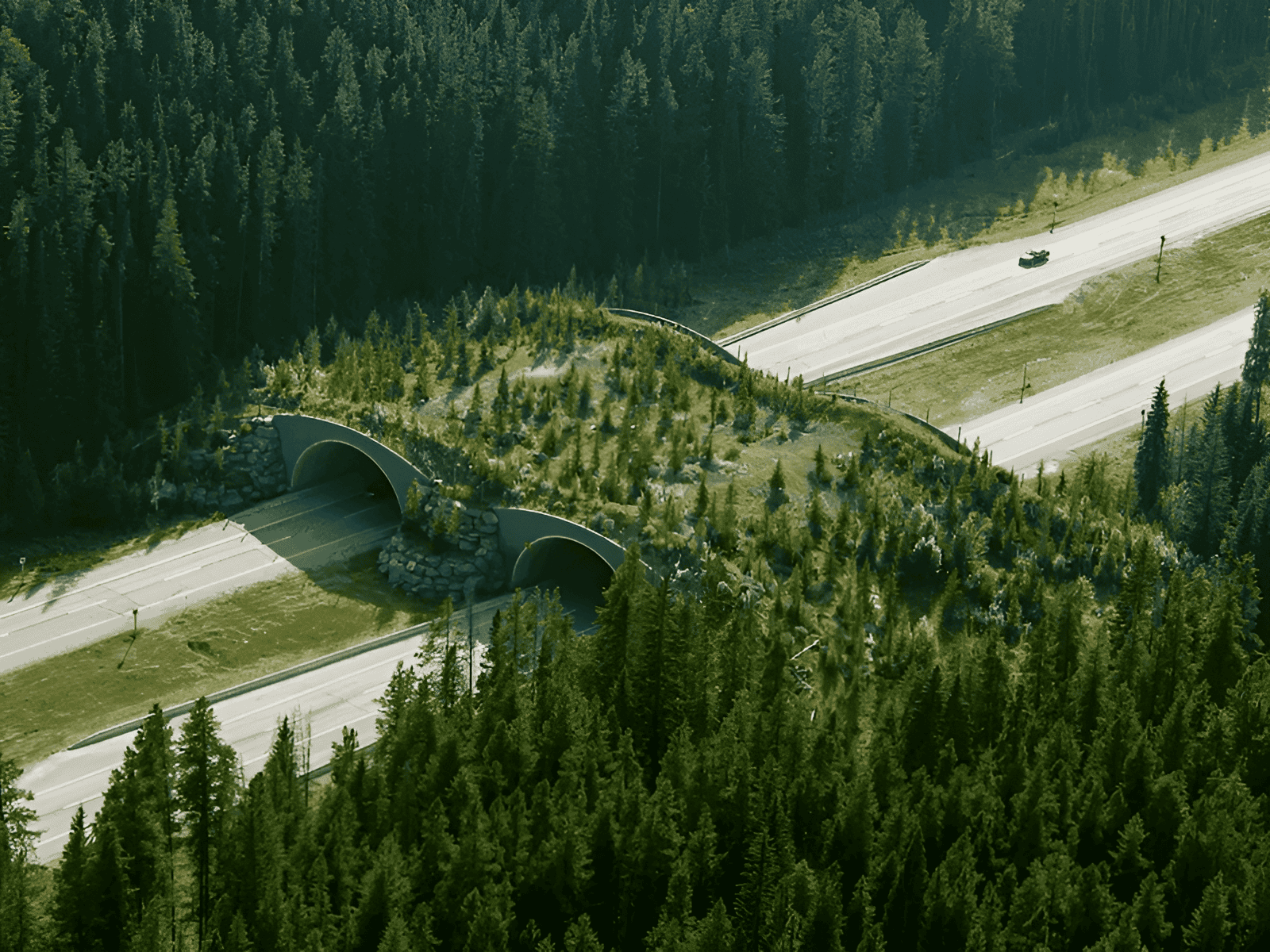
Habitat regeneration through rewilding also involves creating connections between habitats. By creating corridors of wilderness, we can allow wildlife to move freely between different areas, increasing their chances of survival through connected habitats and wildlife bridges that safely cross over highways.
Rewilding is a powerful tool in the field of conservation. Traditional conservation efforts often focus on protecting individual species or maintaining habitats in a certain state. Rewilding, on the other hand, is about allowing nature to find its own way, creating wilder, more biodiverse habitats.
Rewilding as a conservation effort is about creating self-sustaining ecosystems that are resilient to change. It's about reintroducing natural processes and stepping back, allowing nature to run its course. This approach can be more effective and sustainable in the long term than traditional conservation efforts.
Moreover, rewilding can also help to raise awareness about the importance of conservation. By creating wilder, more biodiverse spaces, we can inspire people to value and protect nature.
Rewilding has significant implications for natural resource management. By allowing ecosystems to recover and become more resilient, we can ensure the sustainable use of natural resources. For example, healthy forests can provide a sustainable supply of timber, while restored wetlands can purify water. Natural resource management is not just about the sustainable use of resources, but also about their equitable distribution. Rewilding can contribute to this by helping to regulate ecosystem services. By restoring forests, we can help to regulate water flow and reduce the risk of floods and droughts.
Rewilding can also help to mitigate the impacts of climate change on natural resource management. By restoring ecosystems and allowing them to sequester carbon, we can help to reduce the amount of CO2 in the atmosphere, mitigating the impacts of climate change.
Rewilding is key to maintaining ecological balance. By restoring natural processes and reintroducing keystone species, we can ensure the intended functioning of ecosystems. For example, predators can control the population of herbivores, preventing overgrazing and promoting the growth of vegetation.
Ecological balance is crucial for the health of our planet. It ensures the resilience of ecosystems, allowing them to recover from disturbances and adapt to change. By maintaining ecological balance, we can ensure the provision of ecosystem services, from pollination to water purification.
Rewilding can help to restore ecological balance in degraded ecosystems. By reintroducing natural processes and allowing nature to take over, we can recreate the conditions that these ecosystems need to thrive.
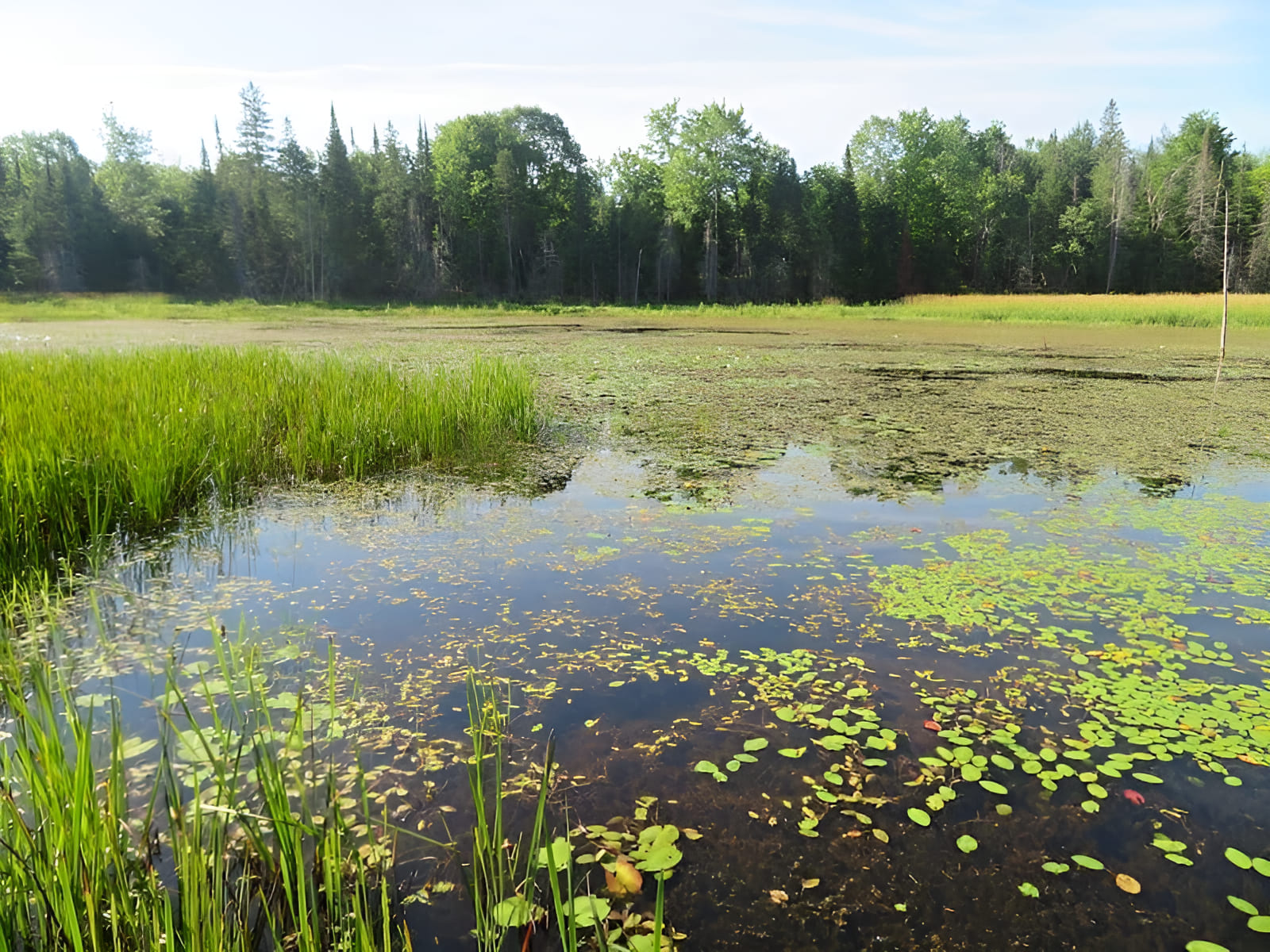
Rewilding plays a crucial role in wetland restoration. By reintroducing water and allowing nature to take its course, we can restore degraded wetlands and create more diverse, resilient ecosystems. This process involves the reduction or removal of human constructed drainage systems and agriculture, and replacing them with natural processes like nutrient cycling. Wetland restoration is crucial for the health of our planet. Wetlands provide a wide range of ecosystem services, from water purification to flood protection. They also provide homes for a wide range of species, many of which are currently endangered or under threat.
Wetland restoration through rewilding can also contribute to the fight against climate change. Wetlands are among the most carbon-rich ecosystems on the planet, and their restoration can help to sequester carbon and reduce the amount of CO2 in the atmosphere.
Rewilding can contribute significantly to climate resilience. By restoring ecosystems and allowing them to sequester carbon, we can help to mitigate the impacts of climate change. Climate resilience is crucial in the face of the ongoing climate crisis. It's about being able to withstand the impacts of climate change, from rising temperatures to more frequent and intense storms. By creating more resilient ecosystems through rewilding, we can help to buffer these impacts and ensure the survival of a wide range of species.
Rewilding can also contribute to climate resilience by helping to regulate climate at the local and regional level. For example, forests can help to regulate temperature and rainfall patterns, while wetlands can help to buffer against sea-level rise and storm surges.
Rewilding involves the reintroduction of native plant and animal species. By bringing back these species, we can restore natural processes and create more diverse, resilient ecosystems. This process involves careful planning and monitoring to ensure the survival of the reintroduced species and the health of the ecosystem.
The reintroduction of native species is crucial for the health of our planet. Many of these species play a vital role in maintaining the structure of ecological communities, and their loss can have far-reaching impacts. Through rewilding, we can help to recover these species and ensure their survival.
The reintroduction of native species can also contribute to the fight against climate change. Many of these species, such as trees and seagrasses, can sequester carbon and help to reduce the amount of CO2 in the atmosphere.
The future of rewilding is rapidly expanding beyond traditional wilderness conservation. Around the world, scientists, conservationists, and communities are recognizing that restoring ecological processes at multiple scales—from large landscapes to urban environments—is essential for rebuilding biodiversity and strengthening climate resilience.
Large-scale landscape restoration projects are already underway across many regions of the world. These initiatives focus on reconnecting fragmented habitats, restoring natural water systems, and reintroducing keystone species that help regulate ecosystems. By restoring forests, wetlands, grasslands, and coastal ecosystems, these projects create resilient landscapes capable of supporting diverse plant and animal life.
One of the most important components of future rewilding efforts is the creation of wildlife corridors. These natural pathways connect forests, wetlands, parks, and other habitats, allowing animals to migrate, find food, and maintain healthy genetic diversity. Wildlife bridges, riparian corridors, and protected migration routes are increasingly used to reconnect ecosystems that have been fragmented by roads, cities, and agricultural development.
Rewilding principles are also influencing modern agriculture. Regenerative farming systems integrate trees, perennial crops, and soil-building practices that restore ecological balance while producing food. Agroforestry systems—where trees, crops, and livestock coexist—help rebuild soil fertility, increase biodiversity, and improve water retention across agricultural landscapes.
Practices such as regenerative agriculture and agroforestry show that productive landscapes can also support wildlife habitat and ecological restoration.
Urban and community-scale rewilding is also gaining momentum. Cities and neighborhoods are increasingly converting lawns, vacant land, and underutilized public spaces into food forests, pollinator gardens, and ecological parks. These living landscapes provide fresh food while restoring habitat for birds, insects, and beneficial soil organisms.
Community initiatives such as community gardens, school gardens, and neighborhood restoration projects allow people to actively participate in rebuilding healthy ecosystems while strengthening local food systems.
New agricultural models are also emerging that integrate food production with ecological restoration. Approaches such as circular garden systems and biodiversity-centered growing environments—including projects like Crop Circle Farms—demonstrate how food production can be designed to support soil regeneration, water conservation, and habitat creation simultaneously.
These systems highlight an important principle: restoring ecosystems and producing food do not have to be opposing goals. When designed thoughtfully, agricultural landscapes can become powerful tools for rebuilding biodiversity and restoring ecological balance.
As communities, organizations, and governments continue to explore solutions for climate resilience and biodiversity loss, rewilding will play an increasingly important role in shaping healthier, more sustainable landscapes for future generations.
Rewilding plays a crucial role in shaping the future of our environment. By allowing nature to take its course, we can restore degraded ecosystems, recover biodiversity, and create more resilient landscapes. Whether it's through ecosystem restoration, environmental rehabilitation, or the reintroduction of native species, rewilding offers a powerful solution to many of the environmental challenges we face today.

.png)
.png)
.png)

.png)
Copyright Ⓡ 2026. All Rights Reserved. Growing To Give