The Ice Age Diet: Wild Plants, Root Vegetables, and Ancient Survival Foods
Discover how early humans survived on wild plants, root vegetables, and foraged foods—building a nutrient-rich, resilient diet that sustained life through the Ice Age.
Early human diets were rich in wild plants, roots, seeds, and seasonal foods—providing nutrient-dense nutrition that supported survival in changing climates.
Quick answer: Our ancestors ate a wide variety of wild roots, leafy greens, seeds, nuts, berries, and seasonal plants, forming a largely plant-based diet supplemented by wild game and fish.
What Is the Ice Age Diet?
The Ice Age diet refers to the natural foods consumed by prehistoric hunter-gatherers during the last glacial period. These diets were based on wild, unprocessed foods that could be foraged, hunted, or gathered from the environment.
Definition:Ice Age diet describes the plant- and animal-based foods eaten by early humans, including wild vegetables, roots, seeds, nuts, berries, and seasonal fruits.
These foods were naturally nutrient-dense, providing fiber, vitamins, minerals, and energy needed to survive harsh climates and seasonal variability.
Did you know? Many plants considered “weeds” today—such as dandelion and lamb’s quarters—were once essential nutrient sources in traditional diets.
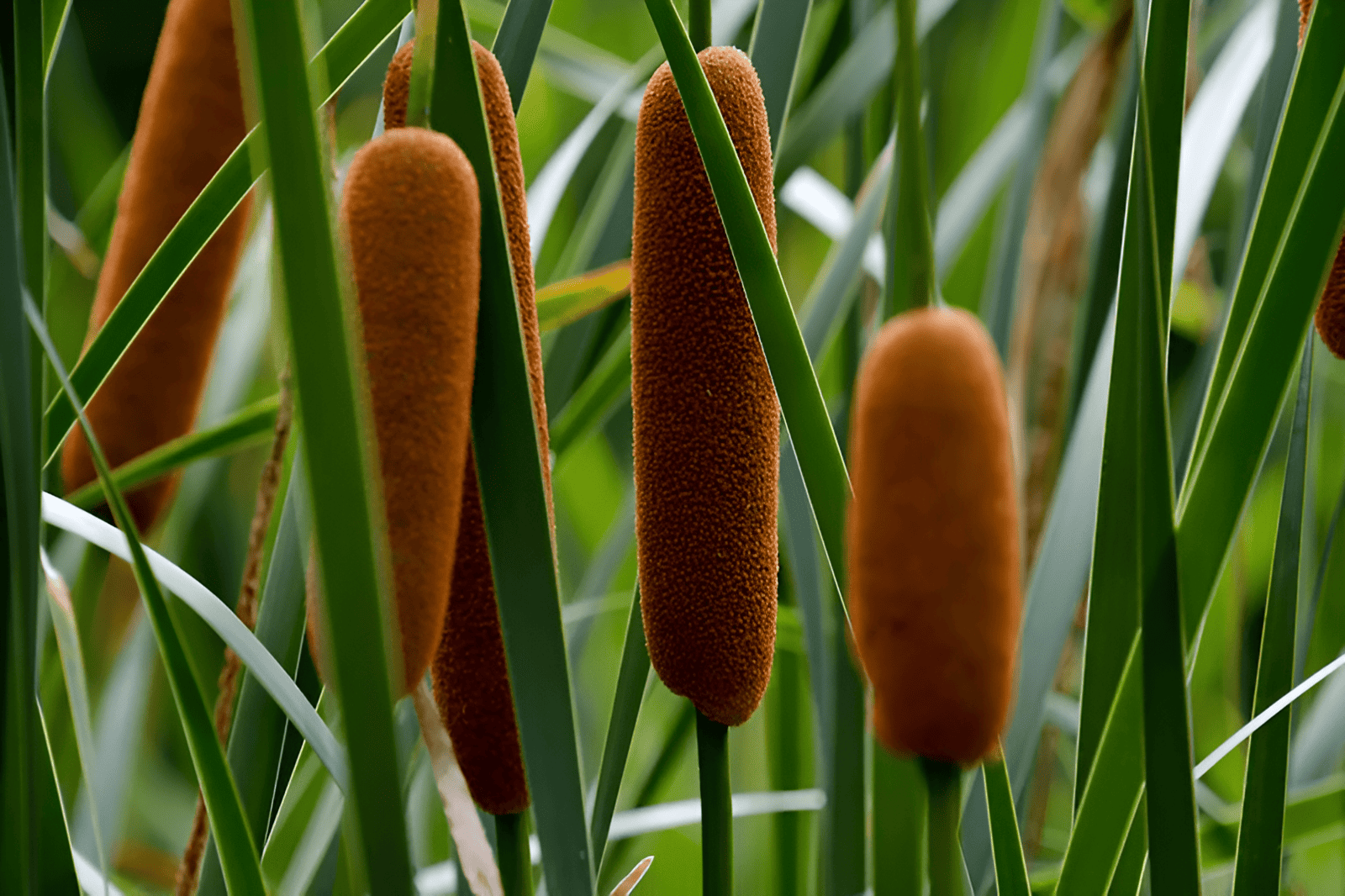
Root vegetables like cattails, wild carrots, and early beet varieties provided carbohydrates and stored energy, while wild greens, herbs, and seeds supplied essential micronutrients.
Understanding what our ancestors ate offers valuable insight into modern nutrition, food diversity, and the importance of reconnecting with wild and traditional food sources.
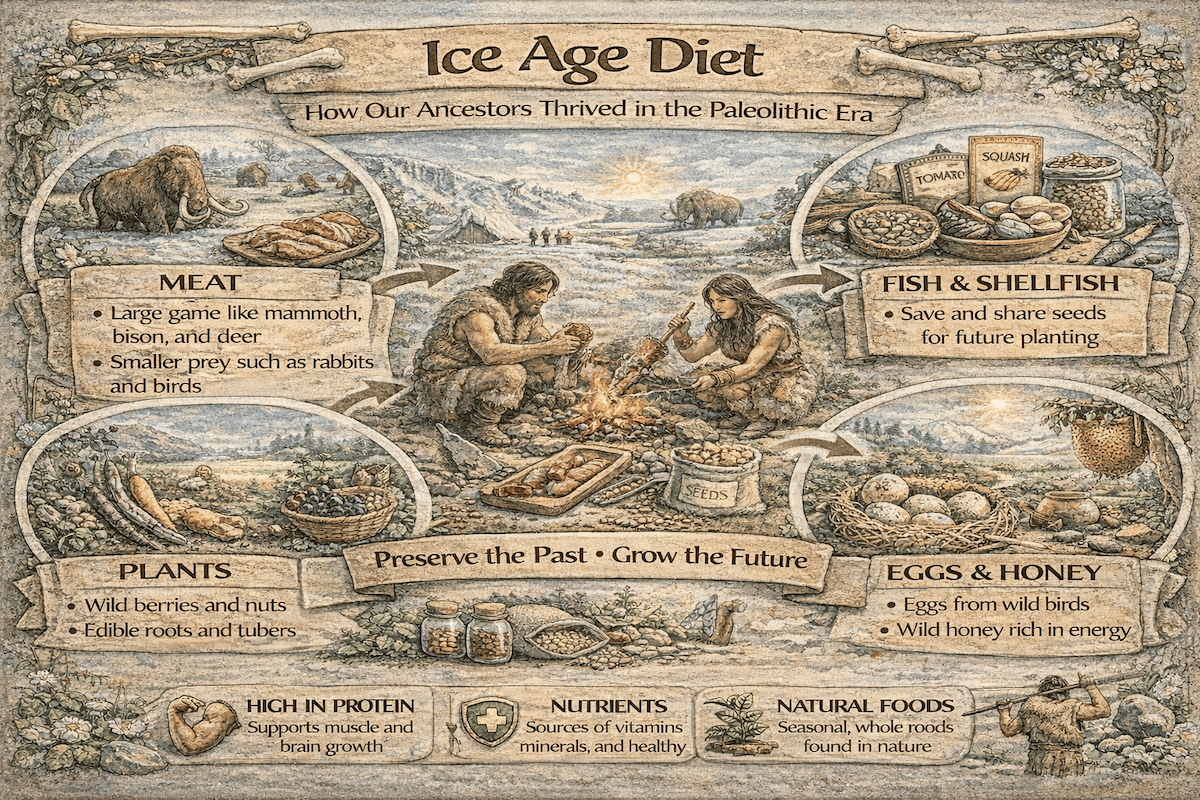
Share This Infographic
You are welcome to share this infographic on your website or blog.
Please include a link back to this page as the source.
The Ice Age diet, despite being limited to the resources available at the time, provided a well-rounded nutritional profile. Root vegetables like cattails and short root beet offered a good source of carbohydrates and fiber. Wild plants such as dandelions and nasturtiums were packed with vitamins A and C, as well as various minerals like calcium and iron. Amaranth and lamb's quarters were rich in protein, while chickweed and wild garlic contained beneficial antioxidants. Overall, the Ice Age diet provided our ancestors with the necessary nutrients to survive and thrive in an incredibly challenging environment.
If immediate and effective action is not taken, China is on a path to run out of food and water. Factors such as resource exploitation, dam construction, industrialized agriculture, environmental degradation, and pollution have contributed to this crisis. Rising food prices, water scarcity, and the potential for social unrest are among the immediate consequences. To mitigate these challenges, urgent action is needed to adopt water-smart agricultural technologies that can enhance productivity while preserving the environment.
How Ice Age Foods Were Prepared and Cooked
Our ancestors did not have the luxury of modern cooking techniques or appliances during the Ice Age. They had to rely on simple methods to prepare and cook their food. Root vegetables were often roasted over an open fire, bringing out their natural flavors and making them more palatable. Wild plants were typically consumed raw or lightly cooked to preserve their nutritional content. The Ice Age diet emphasized simplicity and minimal processing, allowing the natural flavors and nutrients of the food to do the most good.
Modern-Day Foraging for Ice Age Ingredients
While we may not live in the Ice Age anymore, the practice of foraging for food has made a comeback in recent years. Many people are rediscovering the joys of finding and incorporating wild plants into their diets. Foraging for Ice Age ingredients can be a rewarding and educational experience, connecting us to our ancestral roots. It is important to note, however, that proper identification and knowledge of edible plants are crucial to ensure safety and avoid any potential health risks – not collecting and consuming poisonous mushrooms would be a good example of this.
Incorporating Ice Age Foods into a Modern Diet
Incorporating Ice Age foods into a modern diet can be a fun and innovative way to add variety and nutrition to our meals. Root vegetables like cattails and short root beet can be used in stews, soups, or roasted as a side dish. Wild plants such as dandelions and nasturtiums can be added to salads or used as a garnish. Amaranth and lamb's quarters can be cooked and enjoyed as a nutritious side or incorporated into grain-based dishes. Chickweed and wild garlic can be used in pestos or added to sauces for an extra burst of flavor.
Ice Age-Inspired Recipes Using Root Vegetables and Wild Plants
Roasted Cattail and Short Root Beet Soup: A hearty and warming soup that showcases the flavors of these Ice Age root vegetables. Simply roast the cattails and short root beets, then blend them with vegetable broth and seasonings for a delicious and nourishing meal. They make a great Borsht.
Dandelion and Nasturtium Salad: Combine fresh dandelion greens and nasturtium leaves with a light vinaigrette dressing for a refreshing and nutrient-packed salad. Top with edible flowers for an extra touch of color and flavor. Add a little leaf lettuce to help blend the flavors together.
Amaranth and Lamb's Quarters Stir-Fry: Sauté amaranth and lamb's quarters with garlic, ginger, and your choice of vegetables for a quick and nutritious stir-fry. Serve over rice or quinoa for a complete meal.
Embracing the Ice Age Diet for a Healthier Lifestyle
Exploring the Ice Age diet and incorporating its foods into our modern diets can improve your health. By embracing the plant-based-diets, nutrient-dense foods that sustained our ancestors, we can enhance well-being at a cellular level and vastly improve our immune systems. Whether foraging for wild plants, experimenting with Ice Age-inspired recipes, or simply appreciating the natural flavors and nutritional value of these ancient ingredients, the Ice Age diet offers us a unique perspective on our relationship with food.

.png)
.png)
.png)

.png)