Off-Grid Gardening Guide: How to Grow Food Without the Grid
Off-grid gardening is the practice of growing food independently of centralized utilities by using
rainwater harvesting, renewable energy, regenerative soil practices, and resilient crops
to build a more self-sufficient and food-secure system.
Off-Grid Gardening: How to Grow Food Without Utilities 🌱
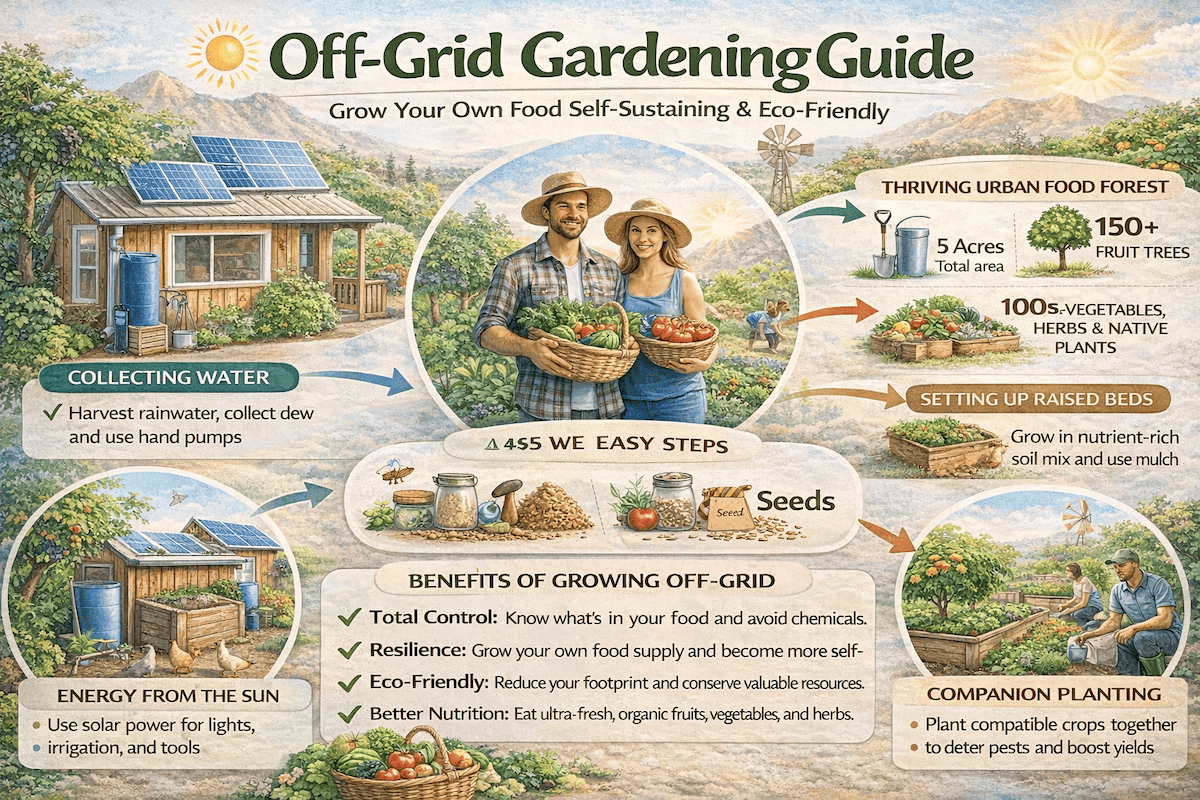
Off-grid gardening allows you to grow food independently by using rainwater, healthy soil systems, renewable energy, and resilient crops—building self-sufficiency and long-term food security.
Quick answer: Off-grid gardening produces food without relying on utilities by using rainwater harvesting, regenerative soil practices, efficient irrigation, and renewable or low-tech systems.
What Is Off-Grid Gardening?
Off-grid gardening is the practice of producing food independently of centralized systems such as municipal water, electricity, and industrial inputs. It focuses on creating resilient, self-sustaining growing systems that work with natural resources.
Definition:Off-grid gardening is growing food using renewable resources, natural soil-building methods, and water-efficient systems without reliance on centralized utilities.
These systems prioritize independence, efficiency, and sustainability—making them especially valuable in remote areas, urban resilience projects, and food security initiatives.
Did you know? Off-grid gardens can use up to 80–90% less water when designed with rainwater harvesting, mulching, and soil-building techniques.
Water: collect and store rainfall.
Soil: build fertility with compost, mulch, and no-till methods.
Power: use solar, wind, gravity, or low-tech systems.
Off-grid gardening refers to growing food using systems that operate independently of municipal infrastructure such as electric power, treated water systems, or commercial agricultural supply chains. These gardens rely on renewable energy, water harvesting, soil regeneration, and resilient crop selection to produce food locally in a sustainable and self-reliant way. Off-grid gardening often incorporates principles of
permaculture design such as water harvesting, soil regeneration, and diversified planting.
Why You Should Build an Off-Grid Garden
Building an off-grid garden is not only a rewarding experience but also a practical solution in a world where broken supply chains and the rising cost of food have not only resulted in a lowering of the quality of produce on store shelves but a shortage in some pretty basic items, we eat every day. Here are more reasons why you should consider creating your own off-grid garden:
Self-Sufficiency: By growing your own food, you become less dependent on food shipped in from wherever. This can be particularly beneficial during times of crisis or emergencies when food supply chains may be disrupted.
Health Benefits: Homegrown produce is fresher and more nutritious than store-bought vegetables. You have complete control over the types of fertilizer you use, ensuring that your fruits and vegetables are free from harmful chemicals.
Cost Savings: Growing your own food can help you save money. Once you have set up your point of use off-grid garden, the ongoing costs are minimal compared to a constant run to the market to buy food.
Environmental Impact: By eliminating the need for long-distance transportation and the use of synthetic fertilizers, off-grid gardening helps to lower carbon emissions and minimize the negative impact on the environment.
Share This Infographic
You are welcome to share this infographic on your website or blog.
Please include a link back to this page as the source.
Best Crops for Off-Grid Gardens
Successful off-grid gardens prioritize crops that are resilient, productive, and adaptable to local climates. Many gardeners focus on staple vegetables and herbs that provide consistent harvests throughout the growing season.
Common crops for off-grid gardens include:
• Beans and peas for nitrogen fixation and protein-rich harvests
• Potatoes and sweet potatoes for reliable calorie production
• Squash and pumpkins for high yields and long storage
• Tomatoes and peppers for fresh seasonal harvests
• Herbs such as basil, oregano, thyme, and rosemary
• Perennial vegetables including asparagus and artichokes
Selecting regionally adapted crops and heirloom varieties can improve resilience while supporting seed saving and long-term food independence.
Water Independence for Off-Grid Gardens
Water independence is one of the most important aspects of a successful off-grid garden. Instead of relying on municipal water systems, gardeners often capture, store, and conserve water using simple regenerative techniques.
Many off-grid gardens use rainwater harvesting systems to collect rainfall from rooftops or other surfaces. Stored water can then be delivered through drip irrigation lines, gravity-fed systems, or small solar-powered pumps.
Greywater reuse is another effective strategy. Water from sinks, showers, or laundry systems can be filtered and redirected to irrigate trees or landscape plants when local regulations permit.
Permaculture water management techniques such as swales, contour planting, deep mulching, and soil-building practices also help retain moisture in the soil. These approaches dramatically reduce irrigation needs while improving long-term soil fertility.
Types of Off-Grid Gardens
Homestead Gardens: A Sustainable Approach to Point of Use Agriculture
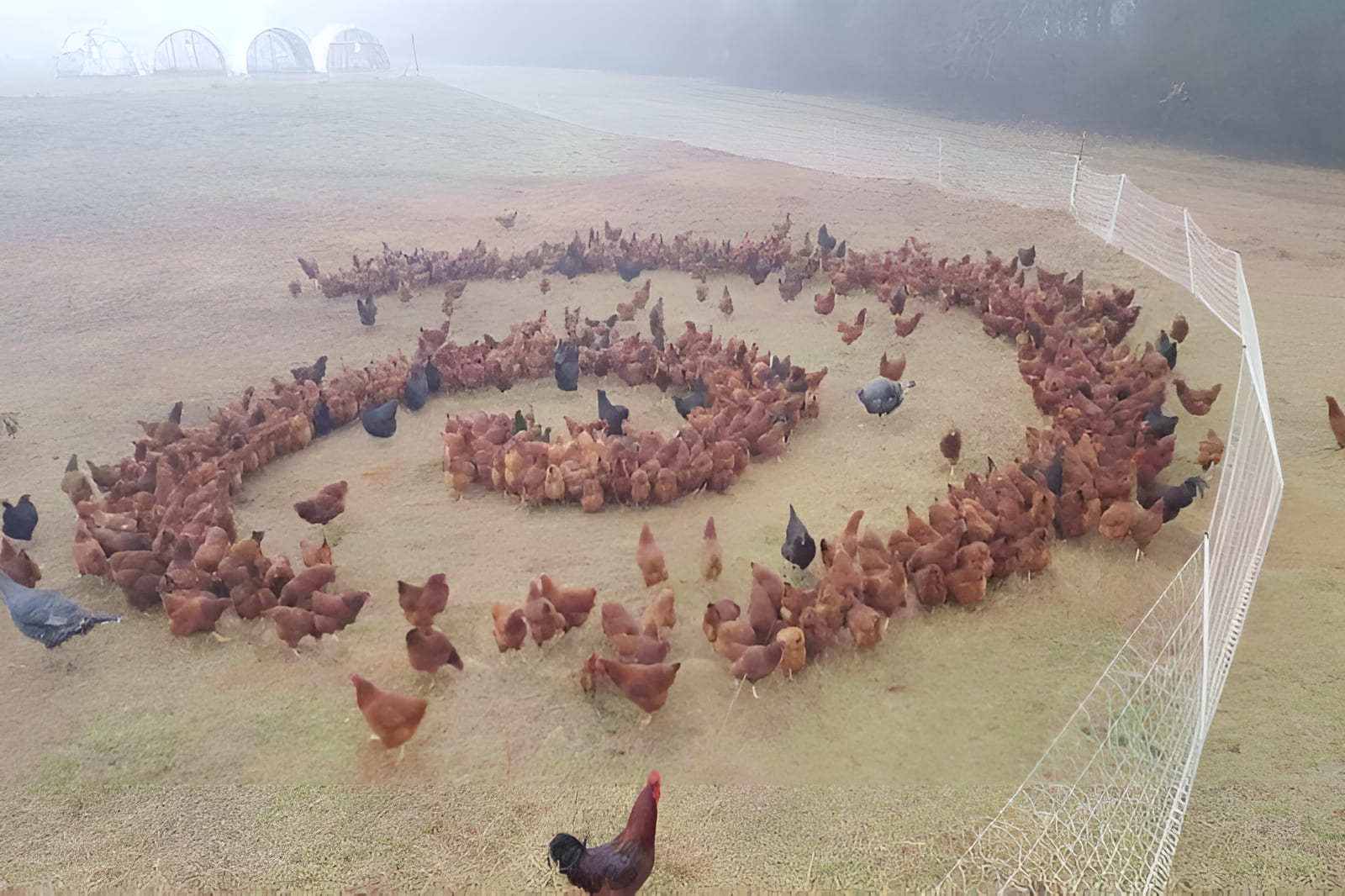
Homestead gardens are a sustainable approach to point of use agriculture that allows individuals to grow a wide variety of crops and raise livestock on their own property. These gardens typically utilize permaculture principles, such as crop circle farms and gardens, which focus on creating self-sustaining, earth and plant friendly ecosystems. Homestead gardens typically include fruit trees, vegetable beds, herb gardens, and even small-scale animal husbandry, such as goats and chickens.
One of the advantages of homestead gardens is the ability to grow a diverse range of crops. By incorporating companion planting techniques, where different plants are grown together to benefit each other, gardeners can maximize the use of space and create a more resilient and productive ecosystem. Additionally, homestead gardens can be designed to conserve water and promote biodiversity, further enhancing their sustainability.
Another advantage is the elimination of long-distance transportation and reduced dependence on commercial farming practices, dependent on synthetic fertilizers. By growing food locally, individuals can have a direct connection to their food source and have greater control over the quality and freshness of their produce.
A key aspect of homestead gardens is the integration of livestock. Chickens, for example, can provide fresh eggs and help control pests in the garden by eating insects. In some instances, you can grow chickens and vegetables together using a double spiral pen. Goats or sheep can be used for milk, meat, or fiber production. By including animals in the garden, a holistic and self-sufficient ecosystem can be created, reducing the need for expensive, time-consuming external inputs.
Solar Gardens: Harnessing Solar Energy for Off-Grid Gardening
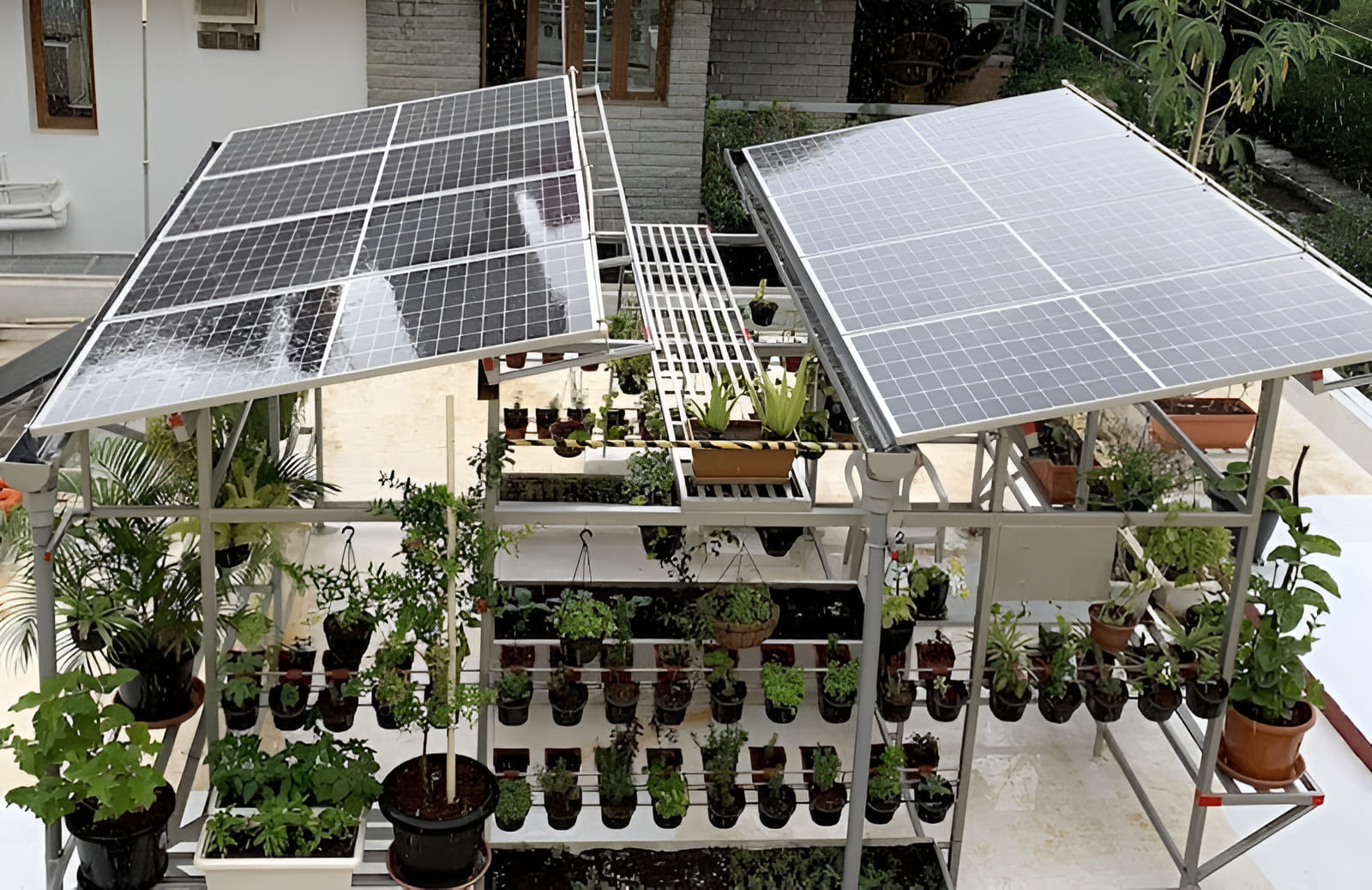
Solar gardens are an innovative way to harness solar energy for off-grid gardening. By using solar panels to capture sunlight and convert it into electricity, gardeners can power various tools and equipment needed for their garden. Solar energy can be used to run irrigation systems, lighting, and even electric fences for protecting crops from wildlife.
One of the advantages of solar gardens is their sustainability. Solar energy is renewable and abundant, making it an eco-friendly choice for off-grid gardening. Additionally, solar panels have a long lifespan and require minimal maintenance, making them a cost-effective investment in the long run.
Another advantage is the opportunity to grow shade loving plants like lettuce or spinach, under the panel to create an agrovoltaic system.
To set up a solar garden, gardeners need to determine their energy requirements and design a solar panel system accordingly. It is important to consider factors such as the location of the garden, the amount of sunlight available, how the sun tracks across the sky, he size of the panels needed and whether or not you want to grow plants under the panels. By carefully planning and implementing a solar garden, gardeners can enjoy the benefits of renewable energy, grow shade plants through the heat of the summer, while reducing their carbon footprint.
Wind Gardens: Using Wind Power for an Off-Grid Garden
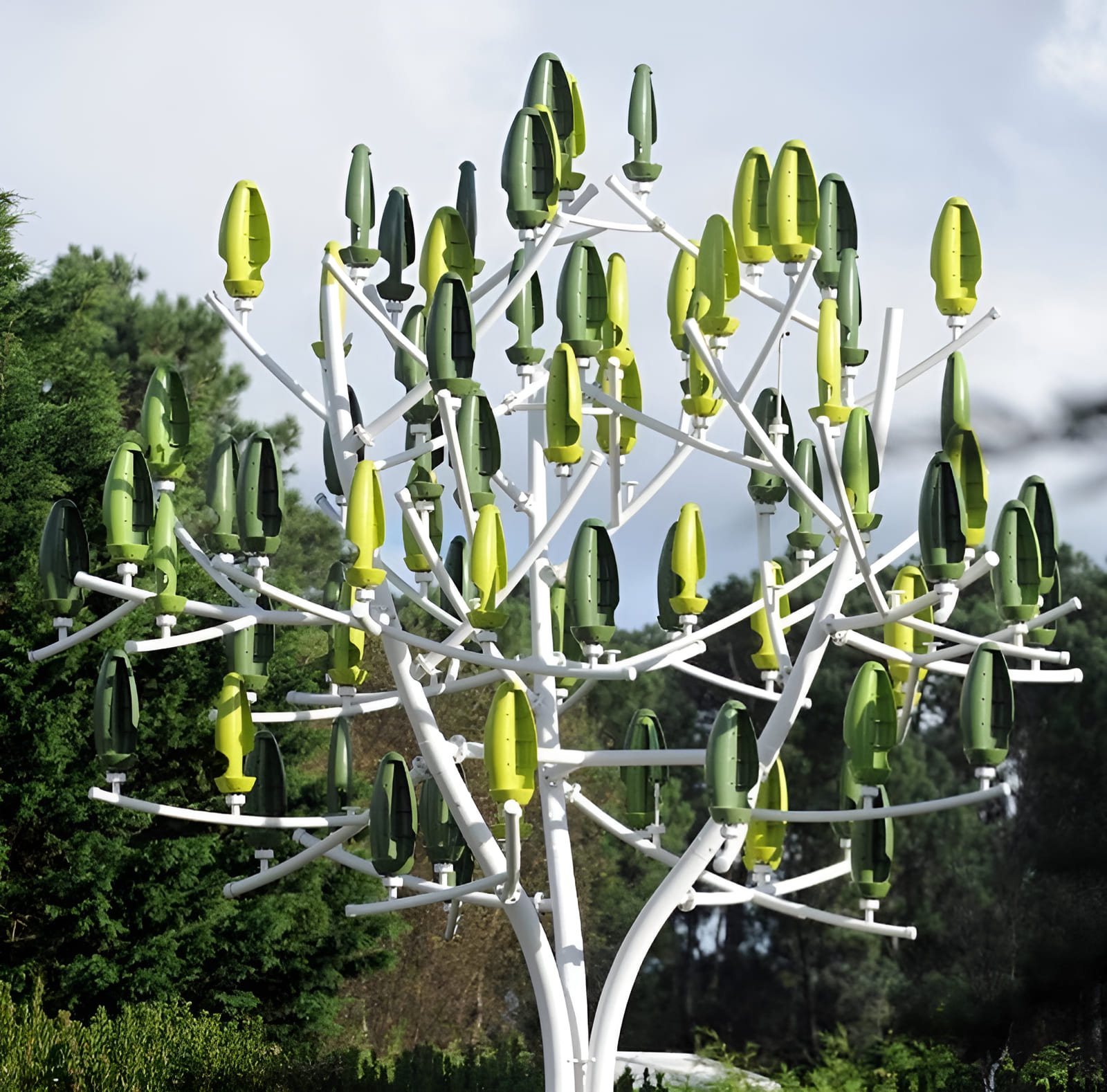
Wind gardens are another alternative for off-grid gardening, harnessing the power of wind to generate electricity. Wind turbines can be used to capture the energy from the wind and convert it into electrical power. This energy can then be used to run various garden equipment, such as water pumps, tools, and electric vehicles.
One of the advantages of wind gardens is that wind energy is abundant and free. Unlike fossil fuels, wind is a renewable resource that does not produce harmful emissions or contribute to climate change. By utilizing wind power, gardeners can reduce their reliance on traditional energy sources and create a more sustainable garden.
Another advantage is to basket the pole that supports the wind turbine. Baskets can be filled with growth medium to grow vegetables (tomatoes), fruits (strawberries), herbs (basil) and flowers (nasturtium).
To set up a wind garden, it is essential to assess the wind potential of the location. Factors such as wind speed, direction, and consistency need to be considered. Additionally, the size and type of wind turbine should be chosen based on the energy requirements of the garden. By investing in a wind garden, gardeners can take advantage of nature's power, trailing and hanging plants, and reduce their environmental impact.
Soil and Water Management
No-Till Agriculture: Minimizing Soil Disruption and Maximizing Plant Production
No-till agriculture is an off-grid farming method that minimizes soil disruption and maximizes plant production. Instead of plowing or tilling the soil, gardeners leave it virtually undisturbed, preserving its structure and nutrients. This method offers several benefits for point of use off-grid gardening:
Water Retention: By leaving the soil undisturbed, no-till agriculture helps to improve water retention. The soil acts as a sponge, absorbing and holding moisture, which is crucial for plant growth, especially in dry climates.
Weed Suppression: Tilling the soil can bring dormant weed seeds to the surface, leading to an increase in weed growth. No-till agriculture helps to suppress weed growth by leaving the soil surface undisturbed, preventing weed seeds from germinating. The addition of a permeable ground cover aids in this effort as well.
Implementing no-till agriculture in an off-grid garden requires careful planning and management. Cover crops or an agricultural grade ground cover can be used to protect the soil and add organic matter. Mulching with organic materials such as straw or wood chips can further enhance soil health and reduce weed growth. By adopting no-till agriculture, gardeners can create a more sustainable and productive garden.
Biodynamics: A Holistic Approach to Off-Grid Gardening
Biodynamics is a holistic approach to off-grid gardening that emphasizes the interconnectedness of all living things. It combines organic farming practices with a spiritual understanding of the natural world. Biodynamic gardening aims to create a self-sustaining ecosystem that respects the rhythms and cycles of nature.
One of the key principles of biodynamics is the use of biodynamic preparations. These preparations are made from natural materials such as herbs, minerals, and animal manure. They are used to enhance soil fertility, stimulate plant growth, and promote overall plant health. Biodynamic practitioners also follow a calendar based on lunar and planetary cycles to determine the optimal times for sowing, planting, and harvesting.
In addition to the use of preparations and lunar cycles, biodynamic gardens often incorporate diverse planting schemes and crop rotations. This helps to promote biodiversity, reduce pest and disease pressure, and maintain soil fertility. Biodynamic gardeners also aim to create a harmonious relationship between plants, animals, and humans, fostering a sense of interconnectedness and balance.
Implementing biodynamics in a point of use off-grid garden requires a deep understanding of natural systems and a commitment to sustainable practices. By embracing this holistic approach, gardeners can cultivate a garden that is not only productive but also in harmony with the natural world.
Implementing Point of Use Agriculture and Off-Grid Gardening Systems
Implementing point of use agriculture and off-grid gardening systems requires careful planning and consideration. Here are a few steps to get started:
Assess Your Space: Determine the available space for your off-grid garden. Consider factors such as sunlight exposure, soil quality, and access to water sources. This will help you decide on the type and size of the garden you can create.
Choose Your Method: Select the off-grid gardening method that suits your needs and resources. Whether it is a homestead garden, a solar garden, a wind garden, or a combination of these, make sure to research and understand the requirements of each system.
Plan Your Garden: Create a detailed garden plan that includes the layout, crop selection, and any additional features such as composting areas or rainwater harvesting systems. Consider companion planting and crop rotation techniques to maximize productivity and reduce pest and disease pressure.
Gather the Necessary Resources: Depending on the chosen method, gather the necessary resources such as seeds, tools, solar panels, or wind turbines. Research and invest in high-quality equipment to ensure the longevity and efficiency of your off-grid gardening system.
Start Small and Expand: It is advisable to start small and gradually expand your off-grid garden as you gain experience and confidence. Growing with garden containers is a great place to start. This will allow you to learn from your successes and challenges and adjust your approach accordingly.
Maintain and Monitor: Regularly maintain and monitor your off-grid garden to ensure its success. This includes watering, weeding, pest control, and soil management. Pay attention to any signs of nutrient deficiencies or plant diseases and take appropriate actions.
Point of Use Agriculture and Off-Grid Gardening offer you the opportunity to take control of your food supply, reduce your environmental impact, and create a more sustainable lifestyle. Whether through homestead gardens, solar gardens, wind gardens, or by implementing practices such as no-till agriculture and biodynamics, you can enjoy the benefits of fresh and nutritious produce while minimizing your reliance on store bought produce trucked in from wherever.
Off-Grid Gardening for Food Security
Off-grid gardening can play an important role in strengthening local food systems and improving food security. When individuals and communities grow food close to where it is consumed, they reduce reliance on global supply chains and transportation networks.
In many communities, decentralized food production helps address issues such as food deserts, rising grocery prices, and disruptions in supply chains caused by climate events or economic instability.
Programs that support community gardens, school gardens, and neighborhood food forests help expand access to fresh fruits and vegetables while creating educational opportunities for future generations.

.png)
.png)
.png)

.png)