Alkaline Diet • Plant-Based Nutrition • Cancer Support
Alkaline Diet and Cancer: What the Science Says 🥗
The alkaline diet emphasizes plant-based foods and reduced processed intake—but what role, if any, does it play in cancer prevention and recovery?
Quick answer: An alkaline-style, plant-rich diet may support overall health and reduce inflammation, but it does not change blood pH or cure cancer. It can be part of a balanced, supportive nutrition plan.
What Is the Alkaline Diet?
The alkaline diet is a plant-focused approach that prioritizes fruits, vegetables, legumes, nuts, and whole foods while reducing processed foods, refined sugars, and excess animal products.
Definition: Alkaline diet refers to a dietary pattern centered on whole, plant-based foods that may support metabolic health and reduce inflammation, though it does not alter the body’s tightly regulated blood pH.
Interest in the alkaline diet has grown among those seeking nutritional strategies to support cancer prevention and recovery, particularly due to its emphasis on nutrient-dense, anti-inflammatory foods.
Did you know? The human body tightly regulates blood pH within a narrow range, regardless of diet—primarily through the lungs and kidneys.
While proponents suggest alkaline diets may influence cancer risk by reducing inflammation and improving overall health, scientific evidence does not support the idea that diet can significantly change blood pH or directly stop cancer growth.
However, diets rich in fruits, vegetables, and whole foods are widely associated with improved health outcomes, making alkaline-style eating a potentially beneficial part of a broader, balanced approach to wellness.
This page explores the principles of the alkaline diet, current research, potential benefits, and how it may fit into a supportive nutrition strategy alongside conventional medical care.
Growing to Give does not provide medical advice, diagnosis, or treatment. The information shared is for educational and community-support purposes only. Always consult a qualified healthcare professional regarding any medical condition or treatment decisions.
Understanding the Alkaline Diet
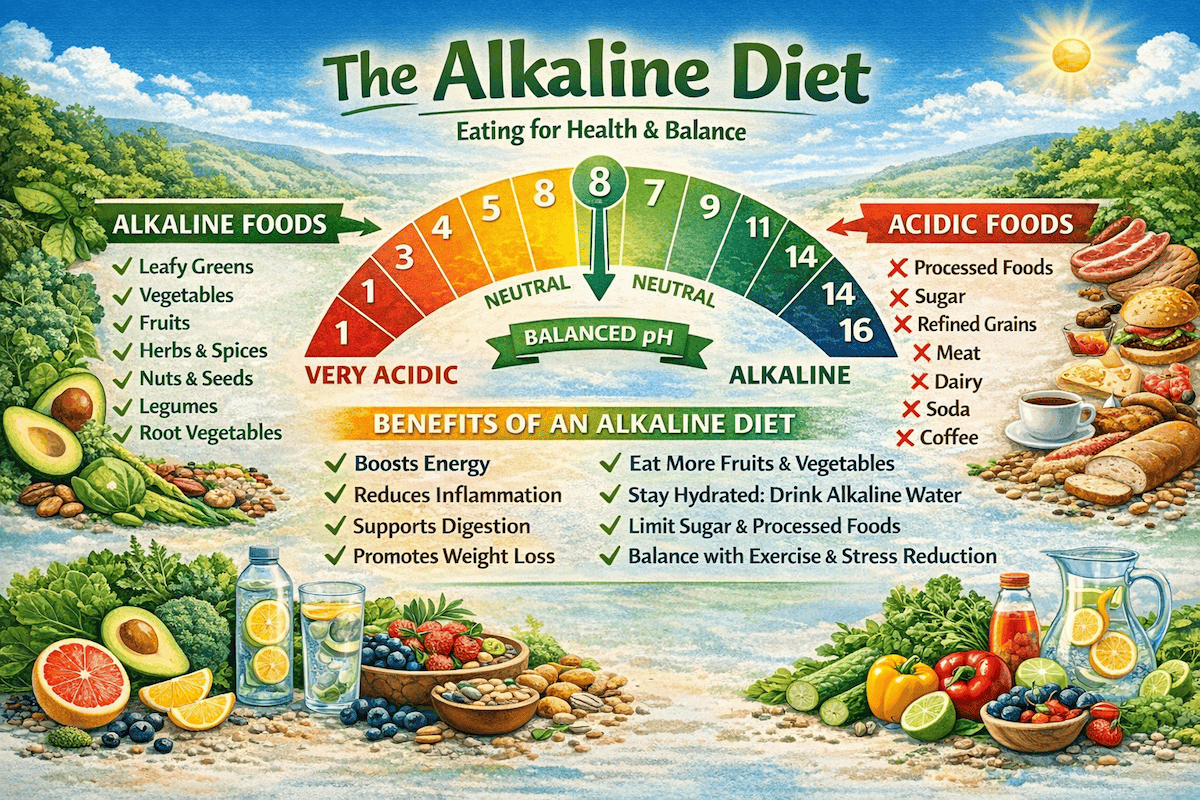
The alkaline diet is based on the principle that different foods leave behind either an acidic or alkaline residue, known as “ash,” after metabolism. Foods that create an acidic environment include red meats, refined grains, dairy, alcohol, and processed sugars. Conversely, foods considered alkaline-promoting include leafy greens, citrus fruits, legumes, nuts, and mineral-rich vegetables.
The body naturally regulates blood pH within a very narrow range (about 7.35 to 7.45). While food cannot dramatically change this range, proponents argue that diet can affect local environments—such as tissues and urine—and influence processes tied to inflammation and disease progression.
The Connection Between Diet, pH, and Cancer
Cancer cells thrive in environments with low oxygen availability and high acidity. This observation, first highlighted in Otto Warburg’s research nearly a century ago, underpins the argument that reducing acidity through diet may inhibit cancer growth. While the body carefully regulates systemic pH, dietary patterns influence hormone levels, kidney workload, and mineral balance; all of which can indirectly affect cancer-related processes.
For example, a diet high in processed foods and red meats is associated with chronic inflammation, insulin resistance, and obesity; all risk factors for cancer. On the other hand, plant-rich alkaline diets provide antioxidants, fiber, and phytonutrients that strengthen immune defenses and neutralize harmful free radicals.
Research Evidence: Support and Skepticism
Scientific consensus on the alkaline diet remains mixed. Key points from research include:
Kidney and Bone Health
Studies show that alkaline diets can reduce calcium loss and support bone health. This matters for cancer patients, particularly those undergoing treatments that weaken bones.
Reduced inflammation
Plant-based, alkaline-rich diets are associated with lower inflammatory markers, which is relevant since chronic inflammation contributes to cancer risk.
Indirect Benefits
The real benefits may not come from “alkalinity” itself, but from the nutrient-dense, whole-food emphasis of the diet. This aligns with evidence that diets rich in vegetables, fruits, and legumes reduce cancer risk.
Limits of pH Influence
Critics point out that food cannot substantially alter blood pH, meaning claims of “alkalizing the body” are overstated. However, changes in urine and tissue environment suggest some localized impact.
Scientific Evidence on Diet and Cancer Prevention
While no diet can cure cancer, a growing body of scientific research shows thatnutrition plays an important role in long-term health and disease prevention. Many dietary patterns associated with lower cancer risk emphasize whole foods, plant-based nutrition, and reduced intake of ultra-processed foods. The alkaline diet overlaps with many of these principles, particularly through its emphasis on vegetables, fruits, legumes, and nutrient-dense plant foods.
Anti-Inflammatory Dietary Patterns
Chronic inflammation is widely recognized as a contributing factor in many diseases, including cancer. Diets rich in vegetables, fruits, whole grains, and healthy fats are associated with lower levels of systemic inflammation. Plant-forward eating patterns often provide vitamins, minerals, fiber, and phytonutrients that help regulate inflammatory pathways in the body.
Plant Phytonutrients and Protective Compounds
Plant foods contain thousands of naturally occurring compounds known as phytonutrients. These include flavonoids, carotenoids, polyphenols, and glucosinolates found in vegetables such as broccoli, kale, berries, citrus fruits, and leafy greens. Research suggests that many phytonutrients may support cellular health by helping protect cells from oxidative stress and supporting the body's natural detoxification processes.
Overlap With the Mediterranean Diet
Many of the foods promoted in alkaline diets also appear in other widely studied dietary patterns, including the Mediterranean diet. Both approaches emphasize vegetables, fruits, legumes, nuts, and healthy fats such as olive oil. Studies of Mediterranean-style eating patterns have linked these foods to improved cardiovascular health, reduced inflammation, and better metabolic resilience. These similarities highlight the broader benefits of plant-centered eating patterns.
Fiber, the Gut Microbiome, and Immune Health
Dietary fiber from vegetables, legumes, whole grains, and fruits plays a crucial role in supporting the gut microbiome. Beneficial gut bacteria ferment fiber into short-chain fatty acids that help maintain intestinal health and support immune function. Emerging research continues to explore how the gut microbiome may influence inflammation, metabolism, and overall immune balance.
Antioxidants and Cellular Protection
Antioxidants found in plant foods help neutralize free radicals that can damage cells and contribute to oxidative stress. Foods such as berries, leafy greens, nuts, seeds, and colorful vegetables contain high concentrations of antioxidant compounds. While antioxidants alone are not a cure or treatment for cancer, diets rich in diverse plant foods are consistently associated with improved long-term health outcomes.
Ultimately, the most consistent message from nutrition research is the importance of whole foods, plant diversity, and balanced dietary patterns. Whether someone follows an alkaline diet, a Mediterranean-style diet, or another plant-forward approach, increasing the intake of vegetables, fruits, legumes, and minimally processed foods can support overall wellness and long-term health.
Overall, while evidence does not conclusively prove that alkaline diets prevent cancer, strong support exists for the benefits of plant-based nutrition in reducing risk and supporting treatment recovery.
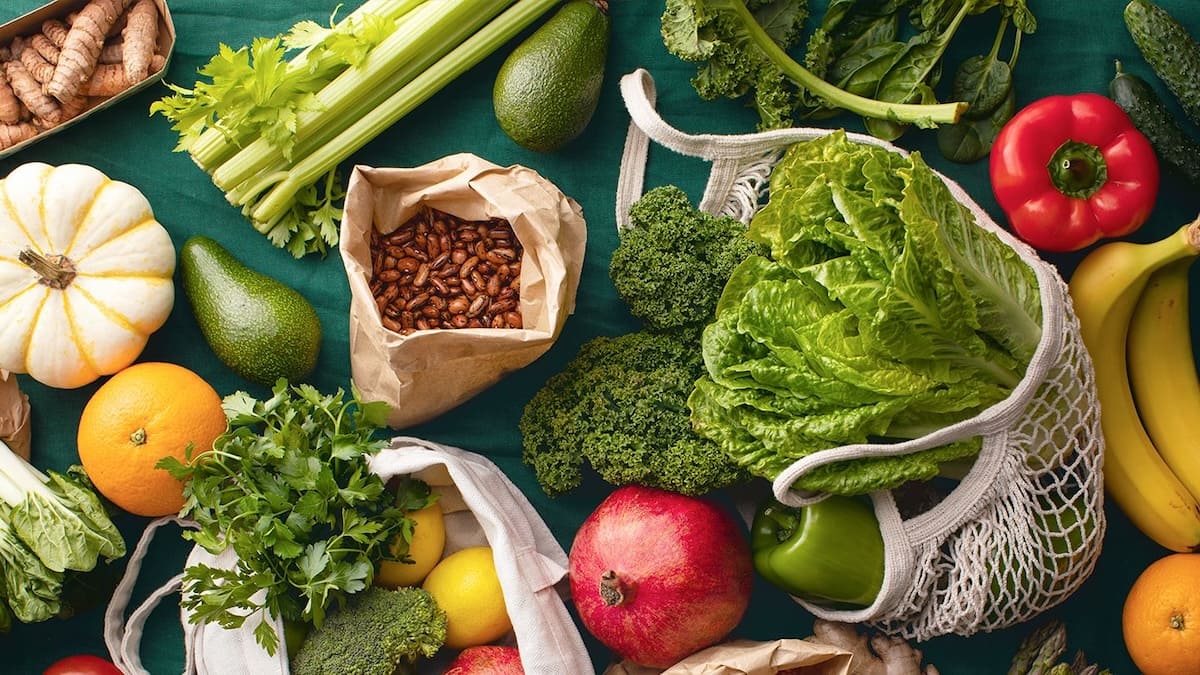
Alkaline Foods to Embrace
Adopting an alkaline-promoting diet means focusing on:
• LEAFY GREENS - Spinach, kale, Swiss chard, and collards provide chlorophyll and magnesium.
• VEGETABLES - Broccoli, cucumber, zucchini, and asparagus are alkalizing and nutrient-dense.
• FRUITS - Citrus fruits, watermelon, apples, and berries contain vitamins and fiber.
• LEQUMES - Lentils, chickpeas, and black beans offer plant-based protein.
• NUTS AND SEEDS - Almonds, chia seeds, and flaxseeds add healthy fats and minerals.
• HERBS AND SPICES - Ginger, turmeric, basil, and parsley offer anti-inflammatory benefits.
Hydration is also central. Alkaline diet advocates often recommend mineral-rich water, herbal teas, and avoiding sugary sodas or alcohol.
Foods to Limit or Avoid
The following are categorized as acid-forming and should be reduced:
• Red and processed meats
• Refined grains (white bread, white rice, pastries)
• Dairy products (milk, cheese, yogurt)
• Refined sugars (sodas, candies, desserts)
• Coffee and alcohol
• Processed and fast foods high in sodium and preservatives
Reducing these foods lowers the burden on the kidneys and digestive system while decreasing exposure to cancer-promoting substances like nitrosamines and added sugars.
Cancer Survivorship and the Alkaline Diet
For cancer survivors, the alkaline diet can provide practical benefits:
1. IMPROVED DIGESTION AND ENERGY: Plant-based meals are often easier to digest, reducing fatigue during recovery.
2. IMMUNE SYSTEM SUPPORT: Antioxidants in alkaline foods help repair tissue damage from chemotherapy and radiation.
3. WEIGHT MANAGEMENT: Obesity is linked to cancer recurrence, and the alkaline diet’s emphasis on fiber-rich foods supports healthy weight.
4. BONE PROTECTION: Treatments such as chemotherapy can weaken bones, and alkaline diets help preserve calcium and magnesium balance.
5. MENTAL HEALTH: Nutrient-dense foods contribute to better mood and resilience during survivorship.
Practical Tips for Transitioning
Shifting to an alkaline diet does not require an all-or-nothing approach. Instead, gradual steps can make the process sustainable:
• START SMALL - Add a daily green smoothie with spinach, cucumber, and lemon.
• PLATE BALANCE - Aim for 70% alkaline foods and 30% acid-forming foods at each meal.
• REPLACE MEATS - Use legumes, lentils, or tofu instead of red meat several times a week.
• HYDRATE WISELY - Drink filtered or mineralized water rather than sugary drinks.
• SEASON NATURALLY - Use herbs, spices, and lemon juice instead of salt-heavy sauces.
• MEAL PREP - Keep pre-cut vegetables and fruit on hand for snacks.
Consistency over time creates the greatest impact, reducing inflammation and improving energy levels.
Testimonials and Real-Life Experiences
Many cancer survivors report profound, positive experiences when adopting an alkaline diet:
“Switching to green juices and fresh vegetables gave me strength during chemotherapy. I felt lighter and more energetic, even on hard days.” – Mary, breast cancer
“Cutting out sugar and processed foods made my recovery smoother. My bloodwork improved, and I felt more in control of my health. Three years later, I remain in remission.” – James, prostate cancer
“The alkaline lifestyle gave me a sense of empowerment. I couldn’t change my diagnosis, but I could choose what I put on my plate. Today, my PET scan shows no signs of cancer.” – Linda, colon cancer
“After embracing an alkaline-focused lifestyle, I not only regained my strength but also stabilized my weight. My oncologist was amazed at my steady improvement and lasting remission.” – Sofia, ovarian cancer
“Eating mostly vegetables, fruits, and nuts reduced my inflammation, improved my energy, and gave me peace of mind. Five years cancer-free, I truly believe this diet supported my healing.” – Robert, lung cancer
“Adopting an alkaline diet was a turning point. It became part of my recovery plan and helped me feel like I was actively participating in my healing. My scans have remained clear for years now.” – Angela, lymphoma
Evidence from Research
Shifting from an acidic to an alkaline diet represents more than a pH-balancing theory, it is a lifestyle centered on whole, plant-based nutrition. Although its ability to directly alter systemic pH remains debated, the benefits of reducing processed foods and emphasizing fruits, vegetables, legumes, and nuts are well-documented. For individuals facing cancer, adopting this diet may not be a cure, but it can play a valuable role in prevention, survivorship, and overall health.
By integrating more alkaline-promoting foods, reducing acid-forming ones, and approaching dietary change as a long-term lifestyle shift, patients and survivors can take proactive steps toward resilience, energy, and improved quality of life. Ultimately, whether through alkalinity or the power of plants, the message remains clear: nutrition is a powerful ally in the fight against cancer.

.png)
.png)
.png)

.png)