How to Read Food Labels: Build Food Literacy, Improve Health, and Make Smarter Choices 🏷️
Discover how reading food labels helps you reduce added sugar, manage sodium, choose better ingredients, and build lifelong habits that improve health, save money, and support sustainable food systems.
Food Literacy • Nutrition Education • Healthy Living
Food Literacy: How Understanding Food Can Transform Your Health 🥕
Food literacy helps people make healthier choices by understanding how food is grown, labeled, prepared, and consumed—and how those choices affect the body, community, and environment.
Quick answer: Food literacy is the ability to understand, choose, prepare, and evaluate food wisely, helping reduce reliance on ultra-processed foods and improving long-term health.
What Is Food Literacy?
Food literacy is much more than knowing how to cook. It includes understanding where food comes from, how it is produced, what food labels mean, how meals are prepared, and how eating patterns influence health and well-being.
Definition:Food literacy is the knowledge and skill needed to understand, select, prepare, and use food in ways that support personal health, informed choices, and sustainable food systems.
In a world filled with ultra-processed foods, confusing labels, and aggressive marketing, food literacy becomes a practical health tool. It helps people move beyond autopilot eating and make conscious decisions about ingredients, portions, timing, and nutritional value.
Did you know? People who cook more meals at home and understand food labels often consume less added sugar, less sodium, and more fiber, which is linked to better long-term health outcomes.
Food literacy can be transformative at any age, but it is especially powerful in childhood. When children learn nutrition, gardening, and the
farm-to-table journey, they begin to understand food as part of a living system rather than just a packaged product.
This understanding can improve health, reduce dependence on advertising, strengthen decision-making, and build a deeper connection to food, soil, and sustainability.
Why Food Literacy Improves Your Health
Health isn’t decided in a day; it’s decided in patterns. And patterns are sustained by practical knowledge.
Understanding the basics—macronutrients, fiber, added sugar, sodium, fats, portions, timing—helps
prevent common problems like inflammation, insulin resistance, hypertension, constipation, chronic fatigue, and
unwanted weight gain.
It also has an emotional impact. When you learn to build simple, nourishing meals, you reduce decision anxiety
(“What should I eat today?”), become more consistent, and rely less on quick options that are often more expensive
and less healthy. That’s why food literacy is a form of self-care: it gives you control in an area that shapes your
daily energy.
Knowledge You Can See on the Plate: Habits of a Food-Literate Person
It’s not about perfection—it’s about direction. A person with strong food literacy often:
• Uses ultra-processed foods as “occasional,” not the foundation of the day.
• Plans 2–3 easy “go-to meals” to avoid impulsive decisions.
• Reads labels to compare products and spot added sugar, sodium, and low-quality oils.
• Uses leftovers, freezes portions, and reduces food waste.
Sustainable Eating: Personal Health and Planet Health in the Same Choice
Food literacy is environmental, too. What you choose to eat influences water use, land use, energy, and emissions.
For example, choosing seasonal fruits and vegetables, and buying from nearby producers when possible, reduces “food
miles” and transport impacts. And understanding the value of carbon
helps put into context why some food systems are more resource-intensive than others.
Sustainability isn’t only “what you buy,” but “what you use.” Eating sustainably also means cooking reasonable
portions, storing food well, composting when possible, and learning how to rescue ingredients before they spoil.
Eating with the Seasons: A Simple Practice with Big Benefits
Seasonal eating is one of the most accessible ways to improve health and sustainability at the same time. Foods
harvested in season are often tastier, fresher, and more nutrient-dense. They’re also usually more affordable because
supply is higher and storage/transport costs are lower.
And this matters: when you buy seasonal produce, you support local farmers and help keep agricultural
land near your city productive instead of turning into pavement.
Mindful Eating: The Practice That Reduces Cravings and Overeating
Mindful eating isn’t a diet—it’s a way of being present. It means eating more slowly, noticing
flavors, textures, and fullness signals, and learning to tell physical hunger apart from anxiety, stress, or boredom.
When you eat with attention, it’s easier to detect what supports you, what inflames you, what gives you energy, and
what makes you sleepy. That personal data is gold. And when you’re more present, you’re more likely to respect food
and reduce waste. You can read more about focus and wellbeing habits in
this guide.
In many regions of Europe, people have eaten this way for centuries: food isn’t “devoured”—it’s shared, talked over,
and enjoyed. That rhythm isn’t just cultural—it’s physiological.
Food Access and Food Equity: Literacy Is Also Justice
Talking about food literacy without talking about access is only half the story. Many families live in areas where
getting fresh food is difficult or expensive. In those contexts, education must be practical and realistic:
how to eat better with what’s available, how to choose healthier options in a small store, and how to
stretch a budget with legumes, rice, oats, frozen vegetables, and spices.
Food equity means everyone can access nutritious food—and knowledge. It’s not just about “adding a
market,” but ensuring tools: simple recipes, classes, guidance, and community spaces where people learn and share.
Reading Labels Without Falling for Tricks
Labels are one of the most useful—and most confusing—skills within food literacy. The front of a package might say
“natural,” “fitness,” or “high protein,” but what matters is the ingredient list and the nutrition facts panel.
Quick rules that help:
Ingredients: generally, the shorter the list, the better.
Added sugar: it appears under many names (syrups, maltose, dextrose, etc.).
Sodium: watch soups, sauces, snacks, and “ready-to-eat meals.”
Serving size: check whether the package is “one serving” or contains multiple.
Fiber: supports fullness and gut health; it’s often missing in ultra-processed foods.
Essential Nutrition Explained in Human Language
You don’t need a degree to understand nutrition. You need clear concepts:
Fiber: gut and metabolism support. Found in plants; key for long-term health.
With these pillars, you can build balanced plates without obsession: a base of vegetables + a protein + a carb source
+ a healthy fat.
Food Safety: Cooking Well Is Also Health
Knowing how to handle and store food prevents illness and reduces waste. Food safety
includes simple habits: washing hands, separating raw and cooked foods, refrigerating promptly, and knowing when food
is no longer safe.
The key: food safety isn’t fear—it’s confidence. It helps you cook more at home, save money, and rely less on
“quick food.”
Culturally Appropriate Diets: Health Without Erasing Tradition
Food literacy also honors culture and identity. Eating well doesn’t mean “eating like social media.” Many traditional
diets are already balanced: they use grains, legumes, vegetables, herbs, ferments, and preparations shaped by
generations of lived experience.
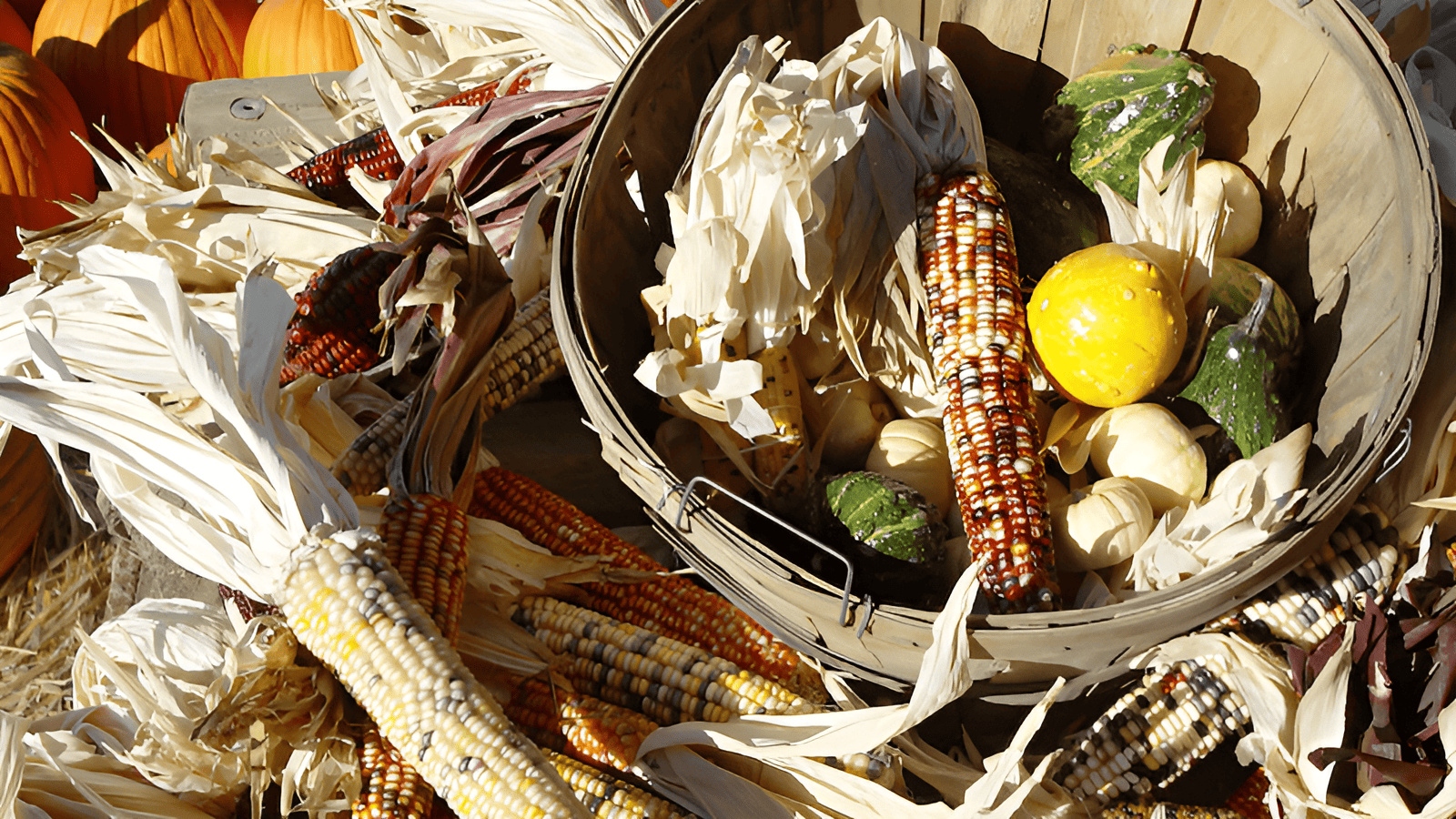
For example, among Indigenous peoples of North America, the “Three Sisters” system (corn, beans, and squash) is a
lesson in nutrition and agroecology at the same time: diversity, complementarity, and resilience.
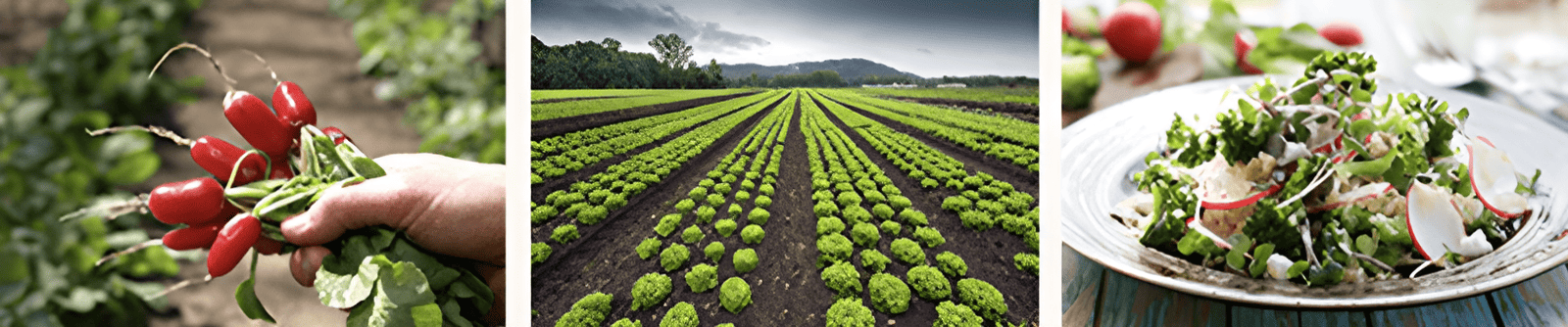
Learning to Grow Food: The Most Powerful Shortcut to Food Literacy
If you want to truly understand the food system, plant something. A tomato in a pot, herbs on a windowsill, a small
community garden. When you grow food, you learn timing, seasons, soil, water, pests, and patience—and that
experience changes how you shop and how you eat.
Plus, homegrown food avoids
packaging, reduces transport, and can be cleaner if you choose organic practices. Even a small garden improves your
diet because it nudges you to use what you harvest.
“Controlling What You Eat” Without Going to Extremes
Control doesn’t mean rigidity. It means clarity. When you understand your food—where it comes from, how it was grown,
what it contains, and how it makes you feel—you can align your eating with your values and health goals.
And that control spreads: your purchases send signals to the market. When more people choose local, organic, or fair
trade options, the system is more likely to respond. In a time of climate crisis, metabolic disease, and
food insecurity,
food literacy is a concrete tool for building the future.
Small Steps to Start Today
If you want to improve your food literacy without feeling overwhelmed, try this for 7 days:
• Read 1 label per day and compare two similar products.
• Add 1 extra plant food to each meal (vegetable, fruit, legume, or seed).
• Plan 2 simple meals for the week (for example: bean-and-rice chili + a big salad).
• Buy 1 seasonal item and use it in two different recipes.
• Store leftovers in portion sizes to reduce waste and last-minute cravings.
Food literacy isn’t about doing it perfectly. It’s about learning, practicing, and making slightly better choices
again and again. That’s the path to more energy, better health, and greater awareness.

.png)
.png)
.png)

.png)