Therapeutic Gardens • Healing Spaces • Modern Healthcare
Exploring the Benefits of Therapeutic Gardens in Modern Healthcare ?
Therapeutic gardens support healing in healthcare settings by reducing stress, improving mood, and creating restorative spaces where patients, families, and caregivers can reconnect with nature.
Quick answer: Therapeutic gardens help modern healthcare by providing calming, plant-filled environments that support recovery, reduce anxiety, improve emotional well-being, and enhance quality of life.
What Are Therapeutic Gardens?
Therapeutic gardens are thoughtfully designed outdoor spaces that promote healing, stress reduction, and overall well-being through interaction with plants, natural landscapes, and peaceful gathering areas. They are commonly used in hospitals, rehabilitation centers, senior living communities, schools, and wellness programs.
Definition: Therapeutic gardens are healing-centered green spaces designed to improve physical, emotional, and mental well-being through contact with nature, sensory plants, and restorative outdoor environments.
These gardens often include sensory plantings, shaded seating, accessible walking paths, edible plants, water features, and quiet areas for reflection. Their purpose is not only aesthetic, but deeply functional—helping people feel calmer, more grounded, and more connected during times of stress or recovery.
Did you know? Access to gardens and natural views in care settings has been associated with lower stress, improved mood, and better recovery experiences for patients, families, and healthcare staff.
In modern healthcare, therapeutic gardens are increasingly valued as part of a more holistic approach to healing. They create spaces where recovery can extend beyond clinical treatment to include emotional comfort, sensory engagement, and connection to living systems.
Whether used for rehabilitation, mental health support, senior care, or general wellness, therapeutic gardens demonstrate how nature can become an important partner in healthier, more compassionate care environments.
In recent years, healthcare professionals and researchers have increasingly recognized the importance of incorporating nature-based therapies into modern healthcare environments. Therapeutic gardens are one of the most effective and accessible ways to bring the healing benefits of nature into hospitals, rehabilitation centers, and community wellness programs.
These intentionally designed green spaces provide patients, caregivers, and visitors with a calming environment where they can step away from clinical settings and reconnect with the natural world. By combining plants, pathways, water features, and quiet reflection areas, therapeutic gardens help reduce stress, support emotional well-being, and encourage gentle physical activity during the healing process.
Today, therapeutic gardens are increasingly recognized as an important component of holistic healthcare design. From hospital campuses and senior living communities to schools and community health programs, these restorative landscapes play a growing role in improving patient experiences and supporting overall wellness.
Understanding the Concept of Therapeutic Gardens
Therapeutic gardens, sometimes referred to as Peace Gardens, are intentionally planned landscapes designed to promote healing, relaxation, and emotional renewal. These environments are carefully curated to engage the senses—sight, smell, touch, and sound—creating a multisensory experience that supports the well-being of the mind, body, and spirit.
Water features, aromatic plants, shaded seating areas, and winding pathways are often integrated into therapeutic gardens to encourage reflection and gentle exploration. The overall goal is to create a tranquil setting where individuals can slow down, reconnect with nature, and experience moments of calm during challenging times.
The History and Evolution of Therapeutic Gardens
The healing role of gardens can be traced back thousands of years. Ancient civilizations recognized that nature could restore balance and provide emotional comfort. From the legendary Hanging Gardens of Babylon to the courtyard gardens of Persia and monastic healing gardens in medieval Europe, natural landscapes have long been associated with physical and spiritual restoration.
Over time, these traditions evolved into modern therapeutic garden design, which combines principles from landscape architecture, horticulture, psychology, and healthcare. Today’s therapeutic gardens incorporate cultural influences and evidence-based design strategies that help create environments specifically tailored to promote healing and well-being.
The Benefits of Therapeutic Gardens in Healthcare
Therapeutic gardens offer a wide range of benefits within healthcare environments. Research shows that spending time in restorative natural settings can help reduce stress, anxiety, and symptoms of depression while improving mood and emotional resilience. These gardens provide patients and visitors with a peaceful refuge that contrasts with the often busy and clinical atmosphere of hospitals.
In addition to supporting mental health, therapeutic gardens can also encourage gentle movement, social interaction, and mindfulness. Patients recovering from illness or surgery may benefit from walking paths and quiet seating areas that allow them to spend time outdoors while maintaining a sense of safety and comfort.
Why Healthcare Systems Are Investing in Therapeutic Gardens
Healthcare systems around the world are increasingly incorporating therapeutic gardens into hospitals, rehabilitation centers, and senior care facilities. Research in environmental psychology and healthcare design has shown that exposure to natural environments can significantly improve patient outcomes, support mental health, and reduce stress for both patients and medical staff.
Nature-based healing environments are now viewed as an important part of holistic healthcare design. By integrating gardens, walking paths, sensory plantings, and peaceful outdoor spaces into healthcare campuses, medical facilities can create environments that support both clinical care and emotional well-being.
Improved Patient Recovery
Studies have shown that patients who have access to natural views or outdoor garden spaces often experience faster recovery times, reduced need for pain medication, and improved overall mood. Even short periods spent in a garden environment can lower blood pressure, reduce anxiety, and promote a sense of calm during the healing process.
Mental Health and Emotional Well-Being
Therapeutic gardens provide a restorative environment that helps reduce stress, anxiety, and depression. Natural landscapes stimulate the senses, encourage mindfulness, and allow patients and visitors to momentarily disconnect from clinical environments. This connection with nature can play an important role in emotional recovery and mental resilience.
Reducing Burnout Among Healthcare Workers
Healthcare professionals face high levels of stress and burnout. Access to restorative outdoor spaces allows doctors, nurses, and staff members to step away from the intensity of hospital environments and recharge mentally. Even brief exposure to nature has been shown to improve focus, reduce fatigue, and support overall workplace well-being.
As healthcare design continues to evolve, therapeutic gardens are increasingly recognized as an essential component of patient-centered care—bringing together medicine, landscape design, and the healing power of nature.
Gardens like these have proven to be beneficial for physical health as well. The presence of green spaces and plants has been linked to lower blood pressure, reduced pain perception, and faster recovery times. Patients who are exposed to these natural environments often experience improved immune function and a strengthened sense of resilience.
The Role of Mindful Walking and Meditation in Therapeutic Gardens
Mindful walking and meditation are integral components of the therapeutic garden experience. These practices encourage individuals to be fully present in the moment, allowing them to focus their attention on the sights, sounds, and sensations of the garden around them. The rhythmic movement of walking combined with the peaceful surroundings of a garden helps to induce a state of relaxation and mindfulness.
Research has shown that mindful walking and meditation in therapeutic gardens can enhance cognitive function, promote mental clarity, and improve concentration. These practices also foster a deeper connection with nature and a sense of interconnectedness, which can be profoundly healing on both an individual and collective level.
Common Types of Therapeutic Gardens
Therapeutic gardens come in many forms, each designed to support healing, reflection, sensory engagement, and overall well-being. The table below highlights some of the most common types of therapeutic gardens and the unique benefits they offer.
| Garden Type |
Key Feature |
Healing Benefit |
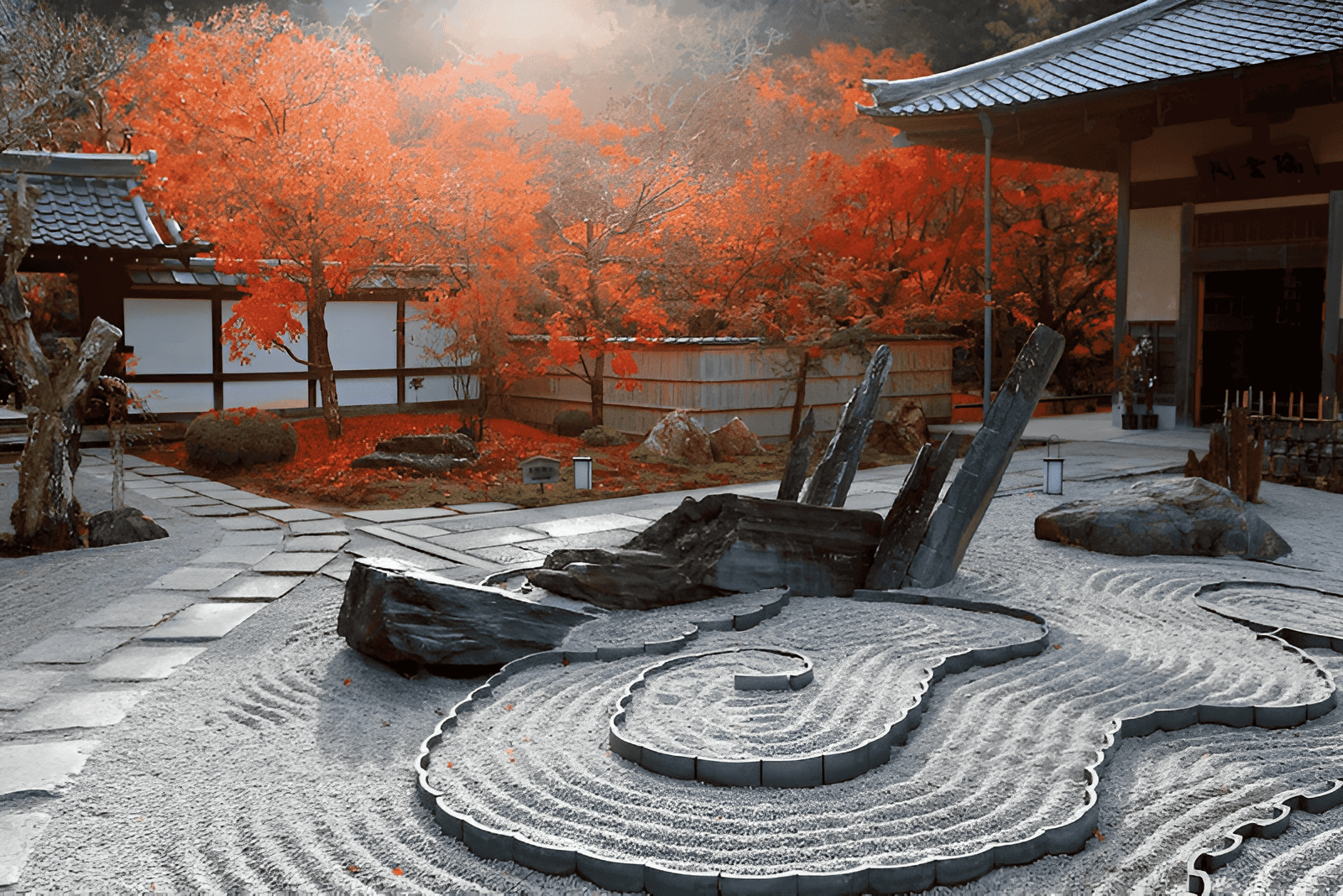
| Zen Garden |
Gravel, rocks, and minimalist design |
Meditation, calm, and stress reduction |
| Sensory Garden |
Aromatic plants, textures, and color |
Stimulates memory, mood, and sensory awareness |
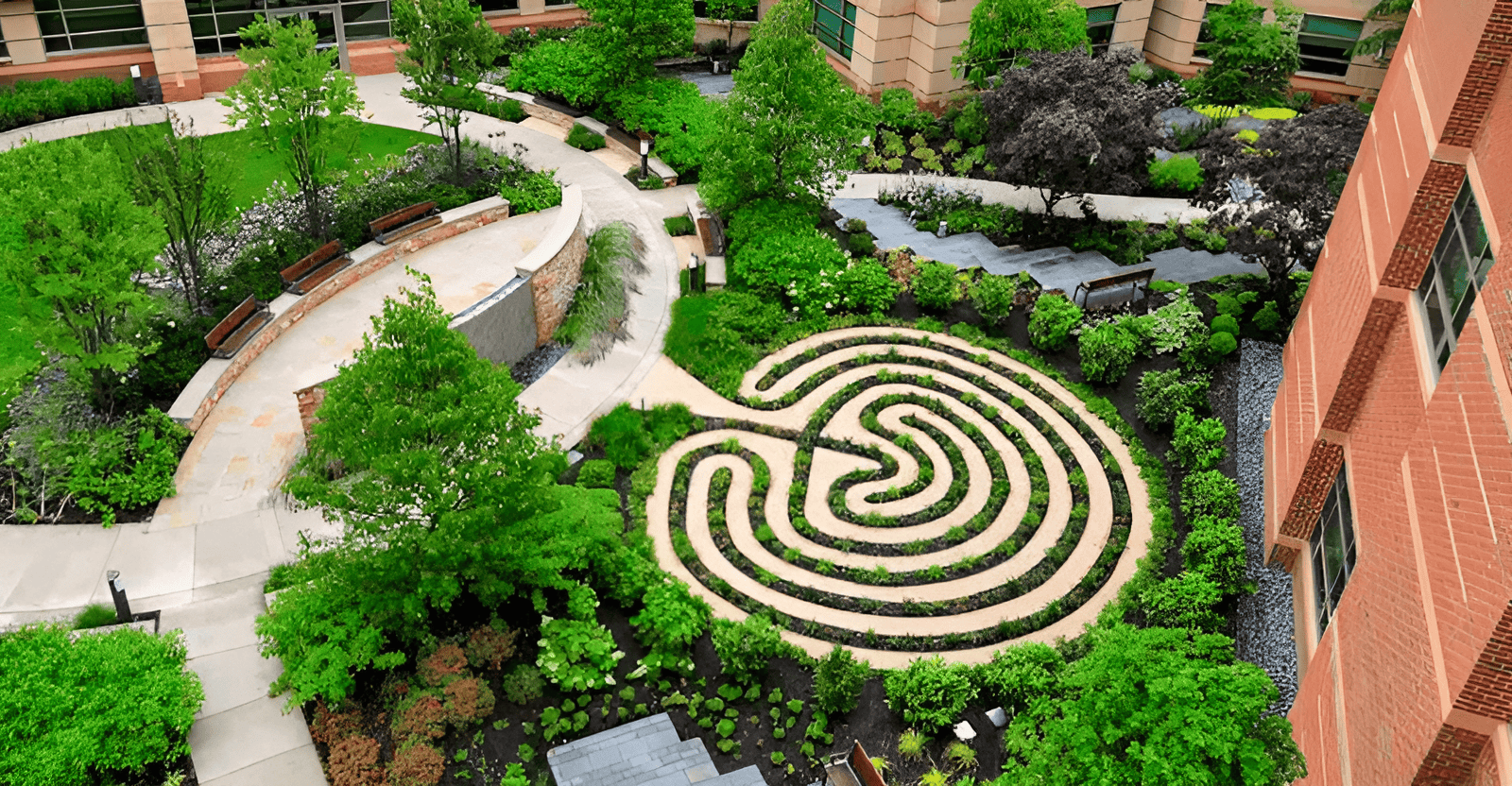
| Labyrinth Garden |
Circular walking path |
Mindfulness, reflection, and gentle movement |
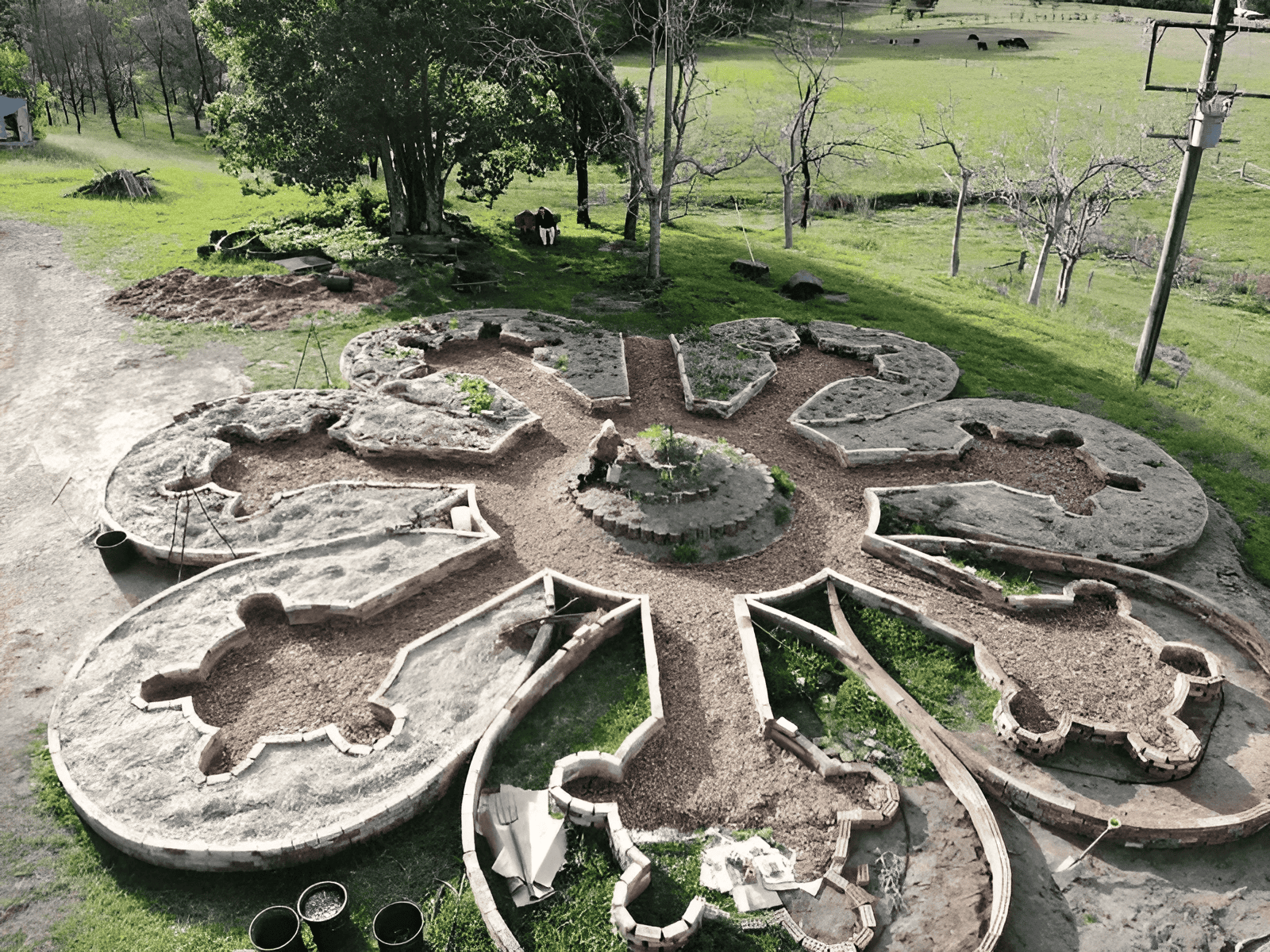
| Mandala Garden |
Geometric and symmetrical design |
Promotes balance, focus, and inner calm |
| Edible Garden |
Herbs, vegetables, and food plants |
Encourages engagement, nourishment, and connection to food |
The Importance of Harmony, Balance, and Energy Flow in Therapeutic Gardens
Central to the design philosophy of therapeutic gardens is the concept of harmony, balance, and energy flow. These gardens are meticulously designed to create a sense of equilibrium and coherence. The placement of plants, pathways, and water features is carefully considered to ensure a harmonious flow and a balanced distribution of energy.
The principles of feng shui, a Chinese practice that emphasizes the harmonious arrangement of physical spaces, often are found included in the design of therapeutic gardens. By adhering to these principles, therapeutic gardens aim to create a space that is in harmony with nature, promoting a sense of peace and well-being.
Aromatherapy and Healing with Plants in Therapeutic Gardens
Aromatherapy is another integral aspect of therapeutic gardens. The scents of various plants and flowers can have a profound impact on our emotions and well-being. Certain fragrances like lavender or jasmine, have been found to promote relaxation and reduce anxiety, while others, like citrus or peppermint, can invigorate and energize.
In therapeutic gardens, carefully selected plants and flowers are incorporated to create a sensory experience that engages both the olfactory system and the mind. The aromas released by these plants can have a therapeutic effect on patients, helping to alleviate stress, improve mood, and enhance overall well-being, particularly with recovering addicts.
Exploring Different Types of Therapeutic Gardens
Therapeutic gardens come in various styles and designs, each with its own unique qualities and cultural influences. Here are a few notable examples:
Feng Shui Gardens
Feng Shui gardens follow the principles of ancient Chinese philosophy, which emphasize the harmonious arrangement of elements to create a balanced and auspicious space. These gardens often feature flowing water, gentle curves, and strategically placed plants to promote positive energy flow and balance.
Japanese Zen Gardens
Japanese Zen gardens are renowned for their simplicity, tranquility, and meditative qualities. These gardens often incorporate elements such as raked gravel, moss, and carefully placed rocks to create a serene and contemplative atmosphere. The design fosters a sense of peace, mindfulness, and connection with nature.
Chinese Spirit Gardens
Chinese spirit gardens are intricately designed spaces that blend nature, art, and spirituality. They are characterized by their symbolic features, such as pavilions, bridges, and pagodas, which represent profound philosophical concepts. These gardens are intended to evoke a sense of transcendence and enlightenment.
European Maze Designs
Maze gardens, popular in Europe, offer a unique and interactive experience. These gardens feature intricate pathways that lead visitors through a maze-like structure, stimulating both the mind and body. Navigating through the maze can be a meditative process, promoting focus and problem-solving skills.
Egyptian Plant Labyrinths
Egyptian plant labyrinths are ancient structures that combine spirituality and horticulture. These gardens feature complex geometric patterns and winding pathways that symbolize the journey of life and death. The design encourages contemplation and self-reflection, allowing individuals to connect with their inner selves.
Sacred Geometry Gardens
Sacred geometry gardens are inspired by the mathematical principles that govern the universe. These gardens incorporate intricate geometric patterns and shapes, creating a visually stunning and harmonious environment. The design aims to elicit a sense of awe, wonder, and a deeper understanding of the interconnectedness of all things.
Unique Features of Therapeutic Gardens
Therapeutic gardens often incorporate unique features that further enhance their healing qualities. Here are a few notable elements commonly found in these gardens:
Agricultural Motifs
Some therapeutic gardens incorporate agricultural motifs, such as vegetable patches or fruit trees. These elements not only provide a source of fresh produce but also offer opportunities for patients to engage in horticultural activities. Agricultural motifs have been shown to have therapeutic benefits, promoting physical activity, cognitive stimulation, and a sense of purpose.
Mandala Designs
Mandala designs, with their intricate patterns and symmetrical arrangements, are often incorporated into therapeutic gardens. These designs symbolize wholeness, balance, and unity, and are believed to promote a sense of harmony and tranquility. Walking or meditating within a mandala garden can evoke a profound sense of peace and centeredness.
Scholar Gardens
Scholar gardens, inspired by traditional Chinese gardens, are designed to stimulate intellectual pursuits and foster contemplation. These gardens often feature quiet pavilions, poetic inscriptions, and scholarly artifacts to create an atmosphere conducive to learning, reflection, and creative inspiration.
Yin and Yang Balance
The concept of yin and yang, representing the balance of opposing forces, is often incorporated into therapeutic gardens. These gardens strive to create a harmonious interplay between elements such as light and shadow, stillness and movement, and softness and hardness. The balanced integration of these contrasting qualities promotes a sense of equilibrium and well-being.
The Five Elements (Wood, Fire, Earth, Metal, Water)
Therapeutic gardens often incorporate the five elements of wood, fire, earth, metal, and water, as recognized in various cultural traditions. Each element represents different aspects of nature and is believed to have unique healing properties. By incorporating these elements into the garden design, a holistic and harmonious environment is created.
The Role of Horticultural Therapy in Therapeutic Gardens
Horticultural therapy is an essential component of therapeutic gardens. This practice involves garden design, such as planting, cultivating, and harvesting, to promote physical, mental, and emotional well-being. Horticultural therapy has been shown to improve motor skills, cognitive function, and social interaction, making it an effective therapeutic modality in healthcare settings. By actively participating in gardening activities, patients can experience a sense of accomplishment, purpose, and connection with nature. The act of nurturing plants and witnessing their growth can be profoundly healing and empowering, instilling a sense of hope and resilience.
Therapeutic Gardens in Modern Healthcare
By providing a sanctuary in nature, these therapeutic gardens create a conducive environment for healing, relaxation, and rejuvenation. From promoting mental well-being to facilitating physical recovery, therapeutic gardens have the potential to revolutionize modern healthcare practices. As the demand for holistic and nature-based therapies continues to grow, the integration of therapeutic gardens into healthcare settings becomes increasingly important. By embracing the healing power of nature and incorporating these gardens into the design of healthcare facilities, we can create spaces that foster well-being, inspire hope, and enhance the overall quality of care.


.png)
.png)
.png)

.png)