How to Start a Community Garden: Step-by-Step Guide
A community garden is a shared growing space where neighbors work together to grow food. Starting one requires
organizing a group, securing land, building healthy soil, installing irrigation, and planning for long-term maintenance.
How to Start a Community Garden: A Step-by-Step Guide to Building Local Food Systems 🌱
Community gardens transform unused land into productive food systems—helping neighborhoods grow fresh food, reduce costs, and strengthen local resilience.
Quick answer: To start a community garden, organize a group, secure land with water access, design the layout, build healthy soil, install irrigation, and coordinate planting and maintenance.
What Is a Community Garden?
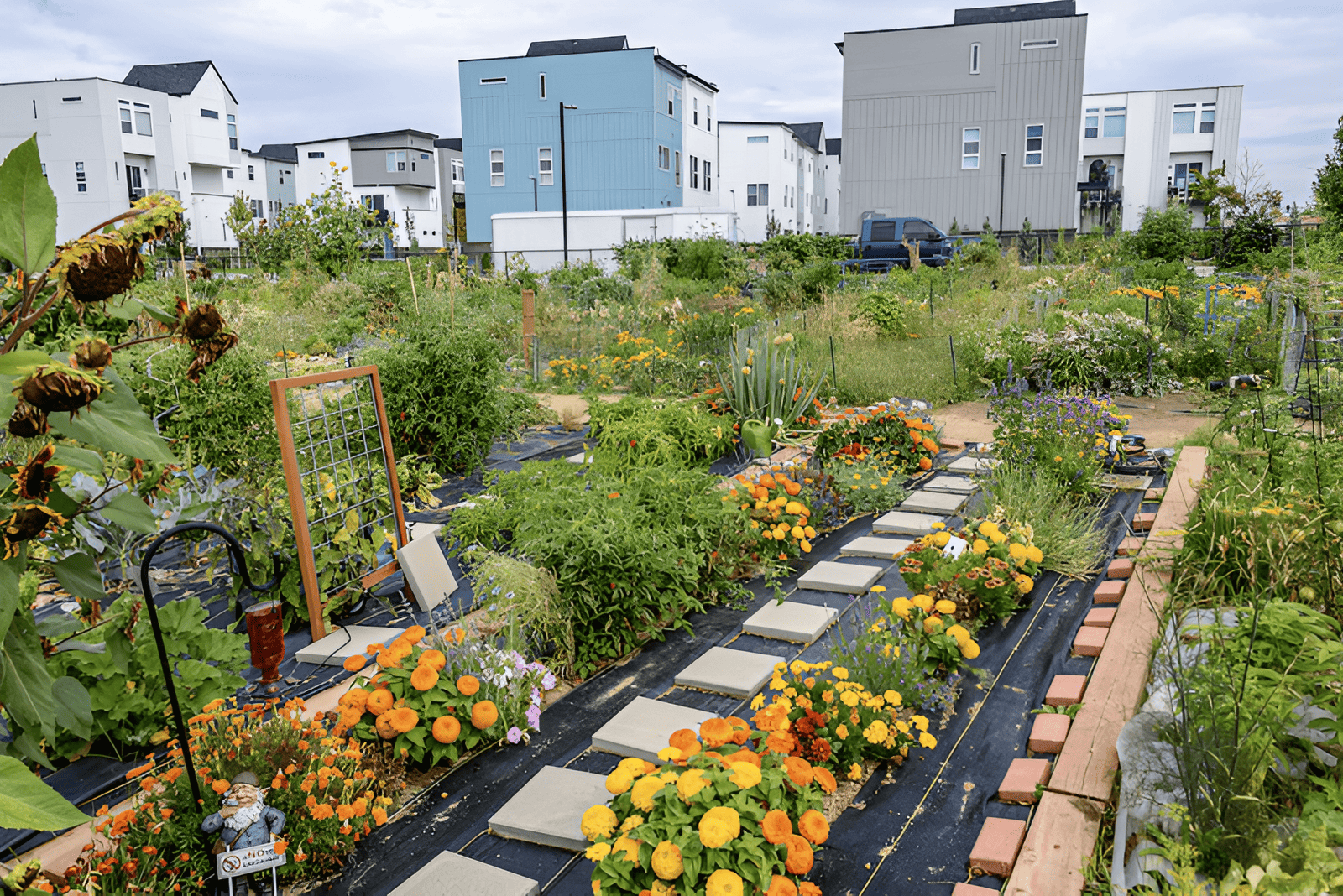
A community garden is a shared space where people come together to grow fruits, vegetables, and herbs. These gardens can be located in neighborhoods, schools, churches, or public spaces and are designed to improve food access while building community connections.
Definition:Community garden refers to a collectively managed growing space where individuals or groups cultivate food for shared benefit, education, and local food security.
Across cities and towns worldwide, community gardens are helping address rising food costs, limited access to fresh produce, and environmental challenges by bringing food production closer to where people live.
Did you know? Even small community gardens can produce thousands of pounds of fresh food annually, supporting multiple households and reducing reliance on external food supply chains.
Whether you're planning a neighborhood garden, school project, or nonprofit initiative, this guide walks you through the essential steps to launch and sustain a thriving, productive community garden.
🌱 Community gardens do much more than produce vegetables. They serve as local food hubs that strengthen community resilience while improving nutrition and environmental health.
Many urban neighborhoods face limited access to fresh produce. Community gardens help close this gap by allowing residents to grow healthy food locally. Gardens also provide educational opportunities where children and adults can learn about growing food, soil health, composting, and sustainable agriculture.
Modern garden design often incorporates principles from permaculture design, which focuses on creating sustainable systems that work with nature rather than against it. These systems emphasize soil regeneration, biodiversity, and efficient use of water and nutrients.
Community gardens also contribute to broader environmental goals such as improving soil quality and increasing urban green space. Many projects incorporate ideas from soil health and regenerative agriculture, which focuses on restoring soil ecosystems to support productive and resilient food systems.
Identify Your Purpose
Every successful community garden begins with a clear purpose. Some gardens focus primarily on growing food for participants, while others prioritize food donations for local food banks or shelters.
Common goals for community gardens include:
• Increasing neighborhood access to fresh vegetables
• Creating educational spaces for schools
• Beautifying vacant land
• Supporting local food security programs
• Providing therapeutic gardening opportunities
Programs such as Gardens for Veterans demonstrate how gardening can provide healing and support for individuals recovering from trauma or stress while also strengthening community food systems.
Form a Planning Committee
Starting a community garden is easier when the responsibility is shared among several committed individuals. A planning committee helps coordinate the many tasks involved in launching a garden project.
Committee members typically assist with site selection, fundraising, volunteer coordination, garden design, and community outreach. Involving residents early in the planning process also increases long-term participation and ensures that the garden reflects the needs of the community.
Secure a Site
Choosing the right location is one of the most important steps in starting a community garden. Ideal sites receive full sunlight for most of the day and have access to a reliable water source.
Potential locations include vacant lots, school properties, church land, municipal parks, and unused public land. Always check local zoning regulations and obtain written permission from landowners before beginning development.
Urban growing environments sometimes require creative solutions such as raised beds or container gardens. Techniques for growing food in limited spaces are covered in the city gardening guide, which explains how to maximize food production in urban areas.
Design Your Garden
Thoughtful garden design improves productivity, accessibility, and long-term sustainability. Community gardens often include a mix of individual plots and shared growing areas where volunteers grow crops for donation or community meals.
Design considerations typically include:
• Individual garden beds for members
• Shared production areas
• Composting zones
• Irrigation systems
• Tool storage
• Gathering spaces for events and education
Planning tools like the Garden Space Estimator can help determine how much land is required to grow specific quantities of food.
Starting a community garden requires careful budgeting to ensure the project remains sustainable. Initial costs may include soil amendments, irrigation equipment, fencing, raised beds, tools, and seeds.
Ongoing expenses might include water usage, compost supplies, tool replacement, and community events. Creating a clear budget early in the planning process helps ensure that the garden can operate successfully over time.
Raise Funds
Once your budget is established, fundraising becomes the next step. Many gardens are supported through a combination of grants, donations, community fundraising events, and local business sponsorships.
Nonprofit organizations often strengthen grant applications by demonstrating measurable impact. Tools such as the Food Systems KPI Calculator help estimate food production, water efficiency, and community benefits, making it easier to demonstrate real-world outcomes for funding organizations.
Build Community Support
A community garden thrives when residents feel connected to the space. Hosting neighborhood meetings and volunteer days helps build enthusiasm while encouraging long-term participation.
Community gardens are particularly valuable in neighborhoods where fresh food access is limited. Projects focused on inner-city community gardens often combine food production with youth education, neighborhood revitalization, and public health initiatives.
Prepare the Land
Before planting begins, the garden site must be properly prepared. This often involves clearing debris, testing soil, improving fertility with compost, and installing irrigation systems.
Healthy soil is essential for productive gardens. Practices such as composting, crop rotation, and mulching help maintain soil fertility and reduce the need for synthetic fertilizers.
If your garden faces unreliable water or power access, see our off-grid gardening guide for resilient irrigation and low-input growing strategies.
Plant and Maintain the Garden
Planting day is often the most exciting milestone in a community garden project. Volunteers gather to plant vegetables, herbs, and flowers while learning about gardening techniques and sustainable food production.
Successful gardens establish maintenance schedules for watering, weeding, composting, and harvesting. Clear responsibilities help ensure that the garden remains productive throughout the growing season.
Celebrate and Engage
Community gardens are more than growing spaces—they are gathering places. Hosting seasonal events such as planting days, harvest festivals, and gardening workshops helps strengthen community connections.
Over time, many gardens expand into larger projects such as food forests, urban farms, and educational programs that teach sustainable agriculture practices to future generations.
Starting a community garden requires dedication, patience, and collaboration, but the rewards can be transformative. With thoughtful planning and strong community participation, a garden can become a vibrant hub that produces healthy food while bringing people together.
Frequently Asked Questions
What are the first steps to start a community garden?
Start by defining the garden’s purpose, forming a small planning committee, identifying potential sites, and securing permissions. Then create a simple plan covering layout, budget, fundraising, and roles.
How much does it cost to start a community garden?
Costs vary by size and site conditions. Typical startup costs include soil/compost, irrigation supplies, tools, seeds, fencing, and storage. Many gardens reduce costs through donations, grants, and volunteer labor.
How do we choose the best site for a community garden?
Look for full sun, reliable water access, safe soil (test if uncertain), and a location convenient for participants. Confirm zoning and secure a written agreement with the landowner for stability.
How can a community garden demonstrate impact for grants?
Track measurable outcomes such as food produced, households served, volunteer hours, education events, and resource efficiency. Clear metrics strengthen proposals and reporting to funders.
What makes a community garden sustainable long-term?
Long-term success comes from strong community ownership, clear rules, reliable water access, healthy soil management, consistent maintenance schedules, and ongoing events that keep participation high.

.png)
.png)
.png)

.png)