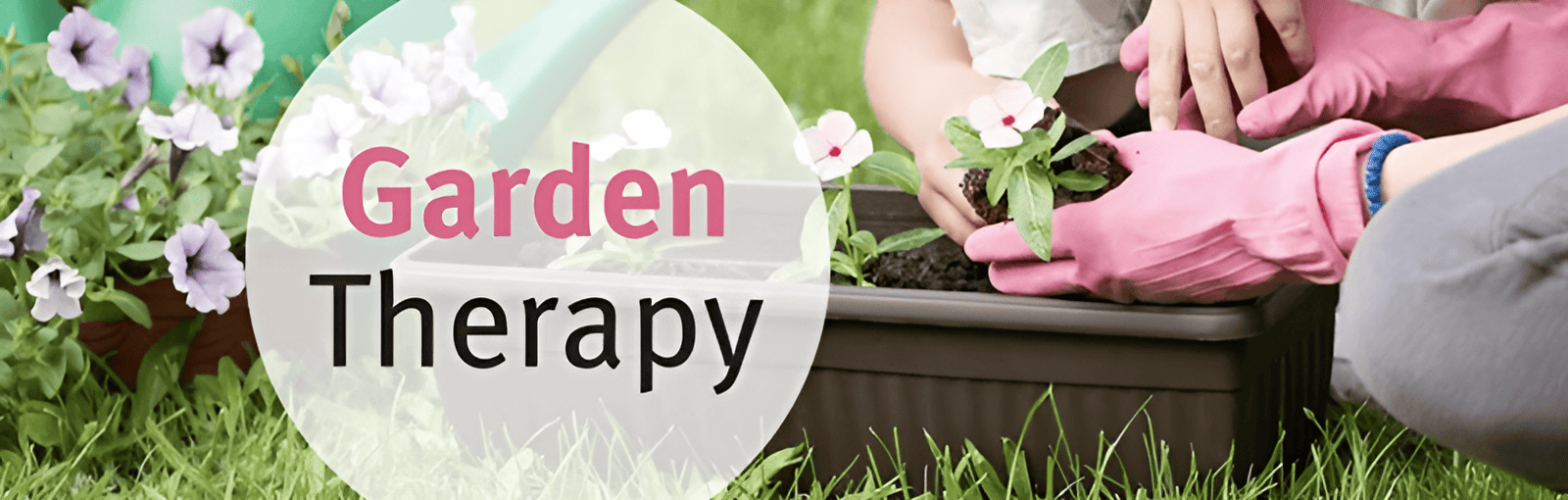
Garden Therapy • Addiction Recovery • Healing with Nature
Garden Therapy for Addiction Recovery: How Therapeutic Gardening Supports Healing 🌿
Therapeutic gardening can support addiction recovery by reducing stress, rebuilding routine, and helping individuals reconnect with purpose, nature, and healthy daily habits.
Quick answer: Garden therapy supports addiction recovery by using hands-on plant care, structured activity, and nature-based healing to improve emotional well-being, encourage routine, and support long-term recovery.
What Is Garden Therapy?
Garden therapy, also called therapeutic gardening or horticultural therapy, uses gardening activities to support emotional, mental, and physical well-being. In recovery settings, it provides a calming, purposeful way for individuals to engage with living systems while building healthier patterns of daily life.
Definition: Garden therapy is the structured use of gardening and plant-based activities to reduce stress, improve well-being, and support healing and recovery.
In addiction recovery programs, gardening can help restore focus, rebuild routine, and create a sense of accomplishment. Planting, watering, tending, and harvesting all encourage patience, responsibility, and consistency—qualities that are often central to the recovery journey.
Did you know? Gardening has been associated with lower stress, improved mood, and reduced symptoms of anxiety and depression, making it a meaningful complementary practice in recovery-focused environments.
The process of caring for plants can also reflect the deeper work of recovery itself: growth takes time, healing requires consistency, and renewal often begins with small daily actions. Even planting a seed can become a symbol of hope, progress, and personal transformation.
Garden therapy can work alongside broader recovery and wellness efforts, including therapeutic garden initiatives, to help individuals strengthen resilience, improve physical health, and reconnect with community, nourishment, and purpose.
Benefits of Garden Therapy for Addiction Recovery
• Reduces stress and anxiety through time spent in nature
• Creates healthy routines through daily plant care
• Improves physical health through light exercise
• Builds self-esteem through growing and harvesting food
• Strengthens community through shared garden spaces
The Therapeutic Benefits of Gardening for Recovering Addicts
Addiction recovery is a complex process that requires not only physical healing, but also mental and emotional healing. garden therapy offers a holistic approach to recovery, addressing all these aspects simultaneously. The act of gardening requires concentration, patience, and commitment. These principles, when applied in recovery, can lead to substantial growth and progress.
The therapeutic benefits of gardening extend beyond the psychological domain. Physically, gardening is a form of gentle exercise that promotes strength, flexibility, and coordination. This can be particularly beneficial for recovering addicts, who often suffer from physical health issues as a result of their addiction.
Moreover, gardening provides a sense of achievement and satisfaction. Watching a plant grow from a seed an addict sews can instill a sense of pride and accomplishment. This can boost their self-esteem, which is often severely diminished during addiction.
How Recovery Programs Use Therapeutic Gardens
Did you know?
Research shows that horticultural therapy programs can reduce stress, improve mood, and increase participation in recovery programs by providing structured outdoor activities and meaningful daily routines.
Many addiction recovery centers and community wellness programs are incorporating therapeutic gardens into treatment environments. These gardens provide a calm outdoor space where participants can engage in structured activities such as planting vegetables, maintaining herb gardens, and harvesting food for shared meals.
Recovery garden programs often combine horticultural therapy with nutrition education, mindfulness practices, and group activities. By participating in the growth cycle of plants—from seed to harvest—individuals in recovery can develop patience, responsibility, and a renewed sense of purpose.
Mental and Physical Healing through Garden Therapy
The phrase "busy hands, quiet minds" perfectly encapsulates the essence of garden therapy. Gardening requires you to engage both your mind and body, providing a welcome distraction from negative thoughts and cravings. The repetitive nature of gardening tasks, such as sowing seeds, watering plants, and weeding, can induce a state of mindfulness, helping to focus and calm your mind.
Moreover, garden therapy provides an opportunity for a recovering addict to reconnect with nature. There is something inherently healing about being outdoors, breathing fresh air, and soaking up beneficial vitamin D from the sun. These elements can help reduce anxiety, improve mood, and enhance an overall sense of health and well-being.
Garden therapy also promotes physical health by encouraging physical activity. Gardening is a low-impact activity that can help improve muscle strength, enhance flexibility, and boost cardiovascular health. Combined with a healthier diet, this can significantly improve physical health and wellness.
The Role of Routine and Structure in Recovery
Addiction often disrupts the structure and routine in an addict’s life. As they embark on their journey towards recovery, reestablishing this routine can be vital. Garden therapy promotes a structured routine, as plants require regular care and attention. This can provide a sense of stability and purpose, which are crucial in recovery.
In addition, the predictability and consistency of gardening tasks can also provide a comforting structure in daily life, which helps reduce feelings of uncertainty and anxiety, which are common during recovery.
"Busy Hands, Quiet Minds": How Gardening Helps Calm the Mind
The meditative qualities of gardening cannot be overstated. The simple act of tending to plants ... can contribute to a positive mindset, which is vitally important in the recovery process. This mindfulness, often associated with meditation, can help quiet your mind and reduce stress.
Moreover, gardening provides a sense of achievement and satisfaction. Watching a plant grow from a seed an addict sows can instill a sense of pride and accomplishment. As you watch the fruits of your labor grow, you can experience a sense of pride and satisfaction. This can contribute to a positive mindset, vitality important in the recovery process.
Enhancing Physical Activity through Gardening
Garden therapy not only promotes mental and emotional healing but also enhances physical activity. Gardening tasks such as digging, planting, and watering require physical effort, offering a form of low-impact exercise. This, combined with a healthier diet, can contribute to overall physical health and wellness.
Healthier Diet: Eating the Food, You Grow
One of the most rewarding aspects of gardening is the opportunity to eat the food you grow. This not only establishes a sense of pride but also promotes a healthier diet. Consuming fresh, homegrown produce can provide essential nutrients that contribute to physical health and wellness.
For a recovering addict, the act of eating the food they grow instills a desire to make healthier dietary choices after recovery.
Common Activities in Therapeutic Garden Programs
| Activity |
Purpose |
| Planting Seeds |
Encourages patience and long-term thinking |
| Watering Plants |
Builds daily routine and responsibility |
| Harvesting Vegetables |
Reinforces healthy eating habits |
| Garden Maintenance |
Provides physical activity and teamwork |
| Preparing Meals |
Connects nutrition with recovery and wellness |
The Impact of Spending Time Outdoors and Vitamin D on Physical Health
Spending time outdoors is an integral part of garden therapy. Exposure to natural sunlight increases vitamin D levels, which is essential for bone health and immune function. Moreover, breathing fresh air can improve lung health and enhance overall well-being. Spending time in nature can also boost mental health. Research suggests that prolonged exposure to green spaces can reduce stress, improve mood, and enhance cognitive function. Combined with the physical activity involved in gardening, this can significantly contribute to the physical health of a recovering addict.
Garden therapy offers a holistic approach to recovery, promoting mental, emotional, and physical healing. The therapeutic benefits of gardening, combined with the routine and structure it provides, can significantly contribute to recovery. The opportunity to eat the food they grow can promote a healthier diet and gradually improve physical health. It’s clear that by cultivating wellness through a garden therapy program can be a powerful tool in recovery from addiction.

.png)
.png)
.png)

.png)