Soil Health • Organic Fertility • Living Biology
Worm Castings (Vermicompost): Natural Soil Fertility for Healthy Plant Growth 🪱
Worm castings are one of the most powerful natural soil amendments, transforming organic waste into nutrient-rich, microbe-filled compost that enhances plant growth and soil resilience.
Quick answer: Worm castings improve soil fertility by delivering plant-available nutrients, beneficial microbes, and stable organic matter that enhance soil structure, water retention, and nutrient uptake.
What Are Worm Castings?
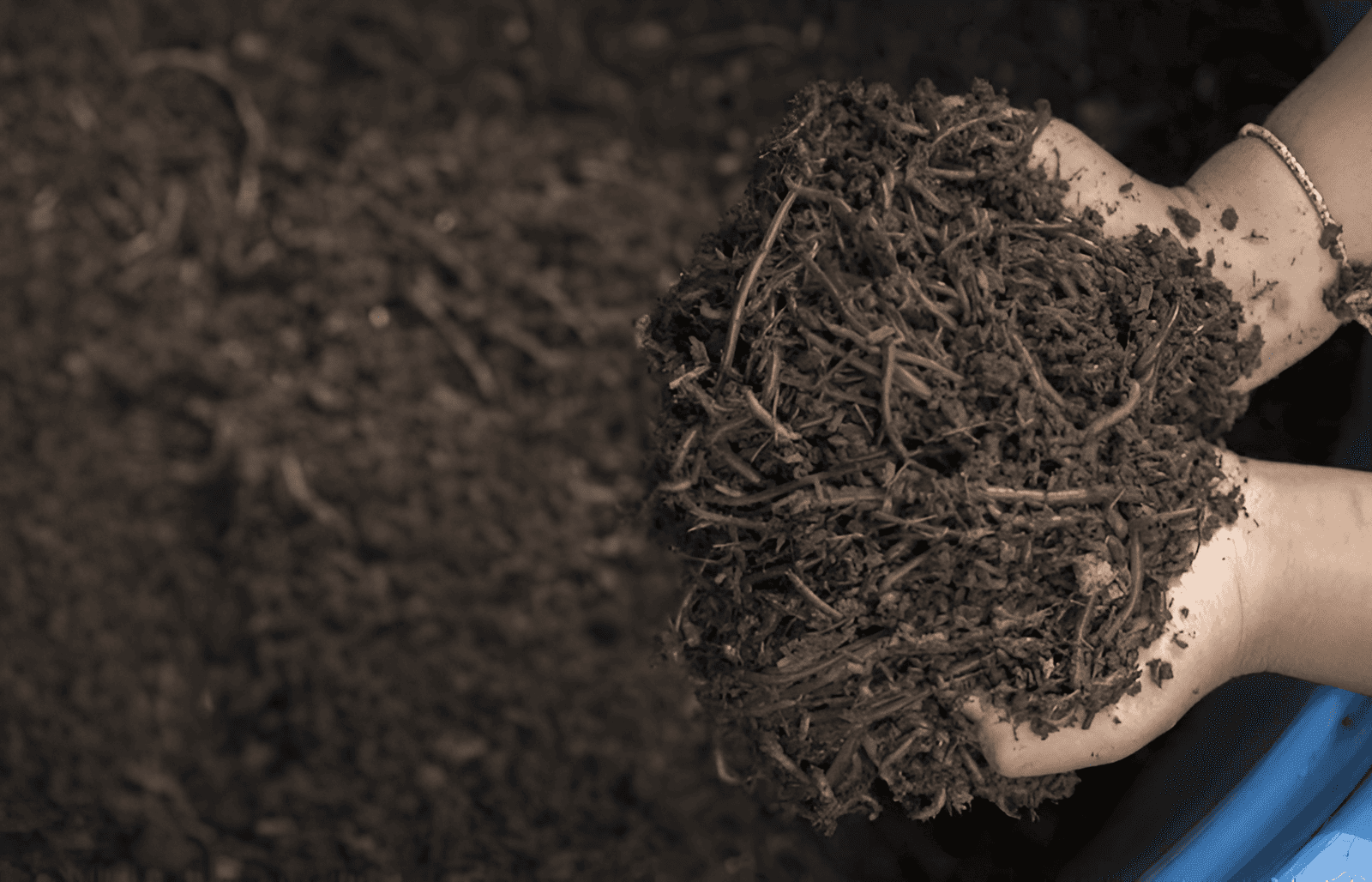
Worm castings, also known as vermicompost, are the nutrient-rich organic material produced as composting worms break down food scraps and organic matter. Often referred to as “black gold”, they are one of the most effective natural ways to build healthy, living soil.
Definition: Vermicompost is compost produced by worms, containing concentrated nutrients, beneficial microbes, enzymes, and humus that support plant growth and soil health.
Unlike synthetic fertilizers, worm castings release nutrients slowly through biological activity, feeding both plants and the soil ecosystem. This creates a balanced environment where roots can thrive and beneficial microorganisms support long-term fertility.
Did you know? Worm castings can contain 5x more nitrogen, 7x more phosphorus, and 10x more potassium than typical topsoil, making them one of the most nutrient-dense organic soil amendments available.
In regenerative agriculture and community garden systems, worm castings play a key role in building soil structure, increasing moisture retention, reducing the need for chemical fertilizers, and supporting resilient, high-yield food production.
What Are Worm Castings (Vermicompost) and How Do They Improve Soil Fertility?
Worm castings, also called vermicompost, are the nutrient-rich organic material produced when composting worms digest food scraps and plant matter. They improve soil fertility by supplying plant-available nutrients, beneficial microbes, and humus that enhance soil structure, water retention, and root development.
In short: Worm castings are a natural soil amendment that improves soil structure, increases water retention, and delivers slow-release nutrients through living microbial activity.
Why Worm Castings Are Called “Black Gold”
Often referred to as “black gold,” worm castings resemble rich, dark earth—and function much like it. Their fine, stable texture helps bind soil particles into aggregates that improve aeration while increasing the soil’s ability to hold moisture and nutrients.
Unlike synthetic fertilizers that release nutrients quickly and can leach away, vermicompost delivers nitrogen, phosphorus, potassium, and micronutrients in slow, biologically active forms. This steady nutrient cycling supports stronger root systems and more resilient plants.
How Worm Castings Improve Soil Health
Worm castings enhance soil health by strengthening the soil food web. As organic matter passes through a worm’s digestive system, it is fragmented and inoculated with beneficial microbes. The result is a biologically active amendment that increases microbial diversity, improves humus content, and supports long-term soil fertility.
Worm farming—also known as vermiculture—also supports
circular agricultural systems by converting kitchen scraps and garden waste into valuable compost instead of landfill methane. This closes nutrient loops while rebuilding living soil.
In this way, worm castings connect soil health, waste reduction, and regenerative growing practices. They demonstrate how small-scale biological systems can restore fertility naturally—closing nutrient loops and supporting more resilient food production over time.
Why Worm Castings Work: Biology, Humus, and Living Soil
One of the most valuable qualities of worm castings is their microbial diversity. Healthy soils are not “dirt”—they are living ecosystems.
Vermicompost supports beneficial bacteria and fungi that help cycle nutrients, improve root health, and create a more balanced soil food web.
Castings are also rich in humic substances (humus-like compounds) that help soil hold onto nutrients and water.
This matters because many nutrients can leach out of sandy or degraded soil quickly. By improving soil aggregation, castings help create a crumbly structure that holds moisture
while still draining properly.
Another key factor is cation exchange capacity (CEC)—a measure of how well soil can hold positively charged nutrients like calcium, magnesium, and potassium.
Soils with improved organic matter and humus generally have better CEC, meaning nutrients remain available to plants longer rather than washing away.
In many garden systems, vermicompost can also contribute to natural pathogen suppression by supporting beneficial microbes that compete with harmful organisms.
While it isn’t a pesticide, healthier microbial communities and improved soil structure often translate to stronger plants that resist stress better.
How to Use Worm Castings in Your Garden
Worm castings are gentle, plant-safe, and difficult to overapply compared to many fertilizers. They work best as a soil builder—improving structure,
biology, and nutrient availability gradually. Here are practical, search-intent-friendly ways to use them:
• Mix 10–20% into soil: Blend castings into potting mixes, raised beds, or planting holes. A simple approach is 1 part castings to 4–9 parts soil/compost mix.
• Side-dress 1–2 tablespoons per plant: For vegetables and container plants, sprinkle around the base (not directly on stems), then water in.
• Top-dress instructions: Add a thin layer (about ¼–½ inch) on top of soil around plants, then lightly scratch into the surface and water.
• Seed starting blend ratio: Use a lighter mix—about 10% castings in a seed-starting blend. This supports seedlings without making the mix too rich or heavy.
For best results, combine castings with other soil health practices like mulching, composting, and minimizing soil disturbance.
Living soil improves season after season, especially when you protect microbial life and moisture.
Worm Castings vs Compost: What’s the Difference?
Worm castings and compost are both excellent for soil, but they behave differently in the garden. Compost is a broader “soil builder,”
while worm castings are often a more concentrated biological amendment.
• Microbial density: Castings often contain very high microbial activity because material has passed through a living digestive process, supporting beneficial organisms.
• Nutrient availability: Compost can contain more total nutrients depending on inputs, while castings tend to provide nutrients in plant-available forms that release gently.
• Stability: Finished compost is stable when properly cured, but quality varies. Worm castings are typically very stable and less likely to “burn” plants.
• pH balance: Castings are often near neutral and help buffer soil conditions. Compost pH can vary depending on materials and maturity.
• Odor differences: Healthy castings smell earthy. Compost can smell earthy too, but if it’s not fully cured it may smell sour or ammonia-like.
The best approach is not “either/or.” Many gardens thrive when compost builds the foundation and worm castings are used as a targeted boost around roots,
seedlings, and stressed plants.
How to Make Worm Tea (Liquid Fertilizer)
Worm tea is a simple way to deliver beneficial biology and gentle nutrients directly to the root zone. Use it fresh for best results.
Here’s a straightforward recipe you can scale up or down:
• 1 cup worm castings
• 1 gallon water (non-chlorinated if possible)
• Aerate 12–24 hours (with an aquarium pump/air stone if available)
• Use immediately after brewing
Apply worm tea as a soil drench around the base of plants. For containers, water until you see a little drainage.
Avoid storing brewed tea for long periods—fresh application supports the healthiest microbial activity.
Worm Farming as a Climate-Smart Waste Reduction Strategy
Beyond the garden, vermiculture helps reduce organic waste streams by converting scraps into soil-building inputs.
When organic waste is landfilled, it can generate methane. Worm bins provide a small but meaningful household-scale solution that turns waste into value.
Over time, improving soil fertility and structure can also reduce reliance on synthetic fertilizers and improve water efficiency—two major factors in climate-smart growing systems.
Healthy soils act like sponges: they hold moisture longer and support better root development, helping plants handle heat and drought stress.

.png)
.png)
.png)

.png)