Geothermal Energy • Cold Climate Farming • Food Security
Geothermal Energy for Sustainable Agriculture in Greenland and Iceland 🌋
Geothermal energy enables year-round food production in cold climates by providing renewable heat for greenhouses—reducing imports, lowering emissions, and strengthening local food systems.
Quick answer: Geothermal greenhouses use natural underground heat to grow crops year-round in cold regions, improving food security while reducing reliance on fossil fuels.
What Are Geothermal Greenhouses?
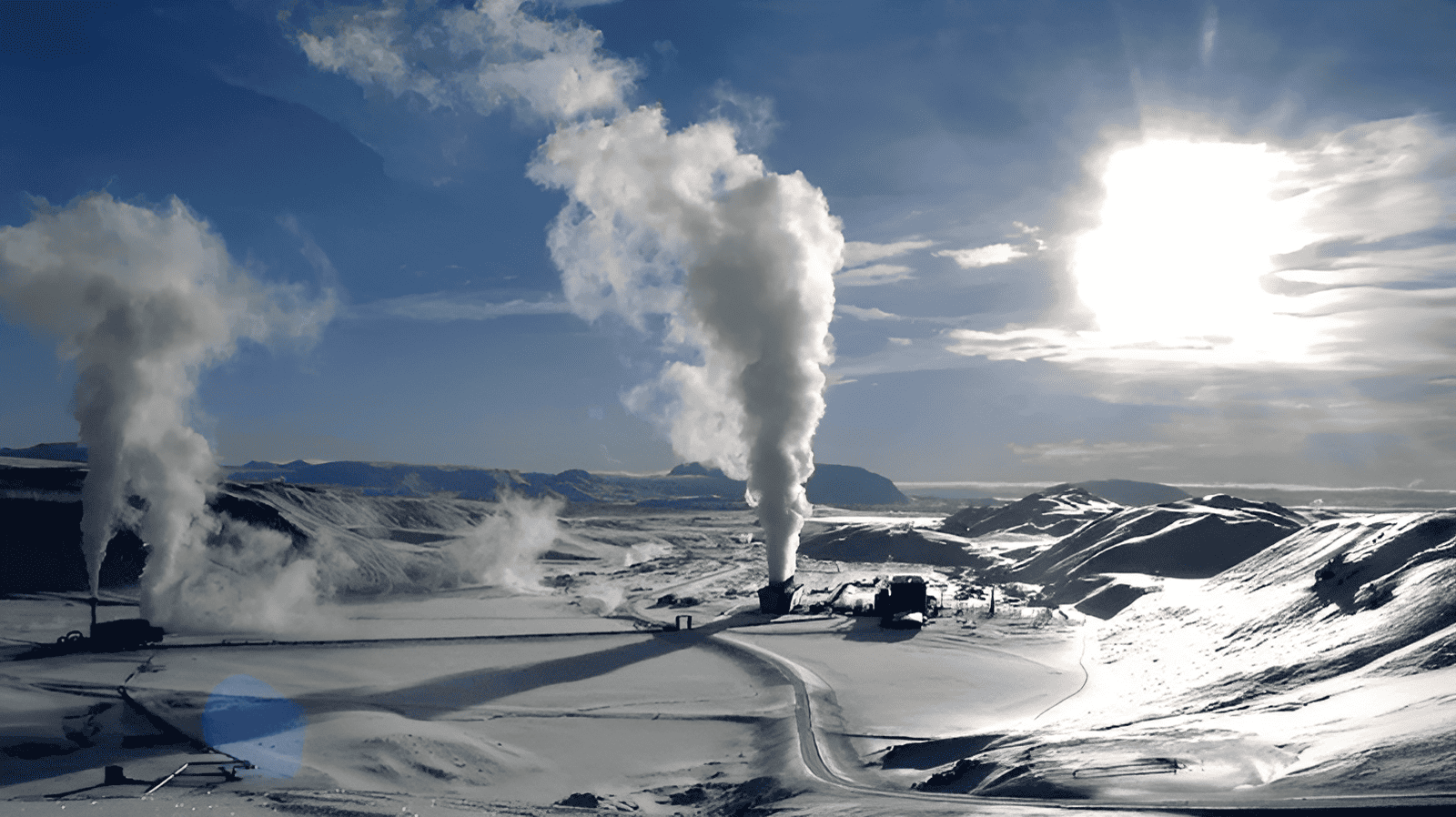
Geothermal greenhouses are controlled-environment growing systems that use heat from beneath the Earth’s surface to maintain stable temperatures for plant growth. By circulating naturally heated water or steam through pipes and heating systems, these greenhouses provide consistent warmth even in extreme cold conditions.
Definition: Geothermal greenhouses use underground heat energy to regulate growing conditions, enabling sustainable, year-round agriculture in cold or harsh climates.
In regions like Greenland and Iceland, where traditional farming is limited by short growing seasons and low temperatures, geothermal systems offer a reliable and renewable solution for producing fresh food locally.
Did you know? Iceland uses geothermal energy to heat a large percentage of its greenhouses, allowing crops like tomatoes, cucumbers, and herbs to be grown year-round despite its cold climate.
Geothermal agriculture reduces dependence on imported food, lowers greenhouse gas emissions, and supports resilient food systems in Arctic and sub-Arctic regions.
As climate challenges increase, these systems are becoming an important part of
sustainable agriculture, demonstrating how renewable energy can transform food production in even the most challenging environments.
How Geothermal Energy Supports Sustainable Agriculture in Greenland and Iceland
Advantages of Geothermal Greenhouses
| Feature |
Traditional Greenhouses |
Geothermal Greenhouses |
| Energy Source |
Fossil fuels or grid electricity |
Renewable geothermal heat |
| Operating Cost |
High heating costs in winter |
Lower long-term heating costs |
| Growing Season |
Seasonal limitations |
Year-round crop production |
| Carbon Emissions |
Higher emissions |
Low-emission renewable system |
Geothermal energy can be used in agriculture in several ways. One common approach is the use of geothermal heat for greenhouses, where underground heat helps maintain suitable temperatures for crop growth throughout the year. In some systems, geothermal heat pumps are used to regulate temperatures in agricultural buildings and production facilities. In others, geothermal resources are used more directly through hot water or steam systems that provide heat for greenhouse structures and related infrastructure.
These applications are especially important in regions where outdoor growing seasons are short and food imports are costly. By extending the growing season or enabling year-round cultivation, geothermal energy can strengthen regional food systems and improve food security.
Geothermal Greenhouses in Arctic and Cold-Climate Food Production
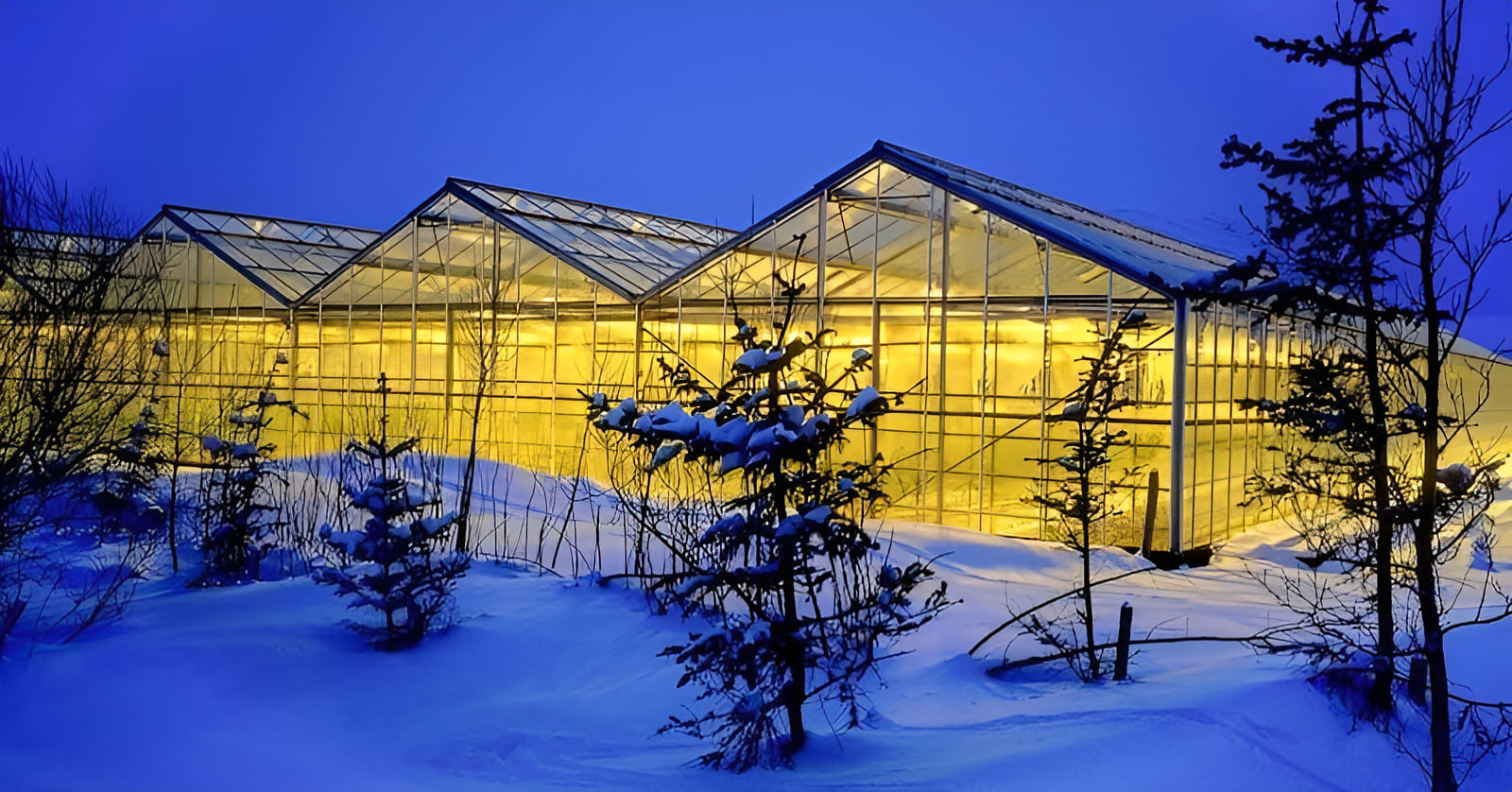
Geothermal greenhouses are among the most important examples of geothermal energy in agriculture. These structures use the Earth’s natural heat to maintain internal temperatures suitable for crop production even when outside conditions are extremely cold. This allows growers to produce fresh food in environments where conventional open-field agriculture is limited by frost, wind, low temperatures, and short daylight seasons.
In Greenland and Iceland, geothermal greenhouse systems can support year-round or extended-season production of vegetables and other specialty crops. Common greenhouse crops may include leafy greens, herbs, tomatoes, and peppers. By creating a stable growing environment, geothermal agriculture reduces seasonal limitations and helps diversify local food production.
Environmental Benefits of Geothermal-Powered Agriculture
Geothermal-powered agriculture offers several environmental advantages compared with agricultural systems that depend heavily on fossil-fuel-based heating. Because geothermal energy is a renewable resource, it can help reduce the greenhouse gas emissions associated with heating greenhouses and other agricultural facilities in cold climates.
In addition, geothermal heating can reduce reliance on external fuel inputs and lower the long-term carbon footprint of controlled-environment farming systems. This aligns geothermal agriculture with broader strategies focused on climate resilience, renewable energy use, and sustainable land stewardship. In this context, geothermal systems can complement efforts to reduce dependence on fossil fuels and support regional responses to climate change.
Crop Production Benefits of Geothermal Energy
One of the primary agricultural benefits of geothermal energy is temperature stability. Crops grown in a well-regulated greenhouse environment are less exposed to temperature stress, which can improve plant growth, crop consistency, and overall productivity. Reliable heat can also help protect crops from frost damage and extend production through colder months.
Geothermal systems may also be integrated into advanced growing models, including hydroponic or controlled-environment systems, where stable temperatures help support root health and nutrient uptake. In some applications, geothermal heating may complement innovative designs such as crop circle farm systems, particularly where year-round climate control and efficient resource use are priorities.
Key Challenges in Expanding Geothermal Agriculture
Although geothermal energy offers major advantages, its agricultural use depends on infrastructure, planning, and site-specific feasibility. Initial development costs can be significant, particularly where greenhouses, piping systems, heat exchange equipment, or energy distribution systems must be built or upgraded. For this reason, geothermal agriculture often benefits from coordinated investment, public-private partnerships, and targeted financial support.
Geological suitability is another important consideration. Not all locations have geothermal resources that can be easily or economically developed for agriculture. Careful assessment of heat availability, water resources, engineering requirements, and long-term operating costs is necessary before large-scale geothermal projects are implemented.
Examples of Geothermal Agriculture in Greenland and Iceland
Iceland is widely recognized for its use of geothermal energy across multiple sectors, including greenhouse agriculture. In areas such as Hveragerði, geothermal resources have helped support the cultivation of fruits and vegetables in heated greenhouse systems. These operations demonstrate how renewable underground heat can be used to sustain food production in a northern climate.
Greenland has also explored geothermal and protected agriculture approaches to improve local food production in difficult growing conditions. Projects such as the Narsaq Geothermal Greenhouse illustrate the broader potential for controlled-environment agriculture in regions where imported food has historically played a major role in the food supply. These examples highlight how geothermal systems can strengthen local resilience and expand fresh food access in cold-climate communities.
The Future of Geothermal Energy in Agriculture
Geothermal energy is likely to remain an important component of sustainable agriculture in cold and climate-challenged regions. Continued research, infrastructure development, and innovation in greenhouse design may improve the affordability and efficiency of geothermal food production systems over time. These advances are particularly relevant in northern regions seeking to improve food sovereignty, reduce import dependence, and expand reliable year-round crop production.
As renewable energy adoption continues to grow, geothermal systems may also play a broader role in integrated agricultural strategies that combine clean energy, water efficiency, and resilient food production. Platforms focused on geothermal energy and related infrastructure can help support this transition.
In Greenland and Iceland, geothermal agriculture demonstrates how natural energy resources can support modern food systems in environments once considered too difficult for large-scale or year-round cultivation. By improving local production capacity, reducing dependence on imports, and supporting lower-emission food systems, geothermal agriculture can contribute to stronger regional food resilience. In that sense, geothermal-powered food production is not only an energy solution, but also part of a broader strategy for sustainable development and reducing imports in vulnerable food systems.

.png)
.png)
.png)

.png)