Plant-Based Diet and Cancer: Foods, Benefits, and What the Science Says 🌱
Discover how plant-based diets rich in vegetables, legumes, whole grains, nuts, and seeds may support cancer prevention, reduce inflammation, and promote long-term health and recovery.
Plant-Based Diet • Cancer Prevention • Nutrition Science
Plant-Based Diets and Cancer: What the Research Shows 🌱
Plant-based diets emphasize whole, nutrient-dense foods that may support overall health, reduce inflammation, and contribute to long-term disease prevention.
Quick answer: Plant-based diets may support cancer prevention and overall health by providing fiber, antioxidants, and anti-inflammatory compounds—but they are not a cure or replacement for medical treatment.
What Is a Plant-Based Diet?
A plant-based diet focuses on whole, minimally processed foods derived primarily from plants—including vegetables, fruits, whole grains, legumes, nuts, and seeds—while limiting ultra-processed foods and excessive animal products.
Definition:Plant-based diets are dietary patterns centered on plant foods that are associated with improved metabolic health, reduced inflammation, and lower risk of chronic diseases.
Interest in plant-based nutrition has grown significantly as researchers explore how diet influences cancer risk, progression, and survivorship.
Did you know? Diets rich in plant foods are often linked to lower levels of inflammation and improved overall health outcomes.
While genetics and environmental factors play a role in cancer development, lifestyle choices—including diet—are increasingly recognized as important contributors to long-term health.
Plant-based diets provide a wide range of bioactive compounds, including fiber, vitamins, minerals, and antioxidants, which may help protect cells, support immune function, and promote overall well-being.
This page explores the scientific evidence behind plant-based diets and cancer, including their potential role in prevention, supportive care, and long-term health.
Growing to Give does not provide medical advice, diagnosis, or treatment. The information shared is for educational and community-support purposes only. Always consult a qualified healthcare professional regarding any medical condition or treatment decisions.
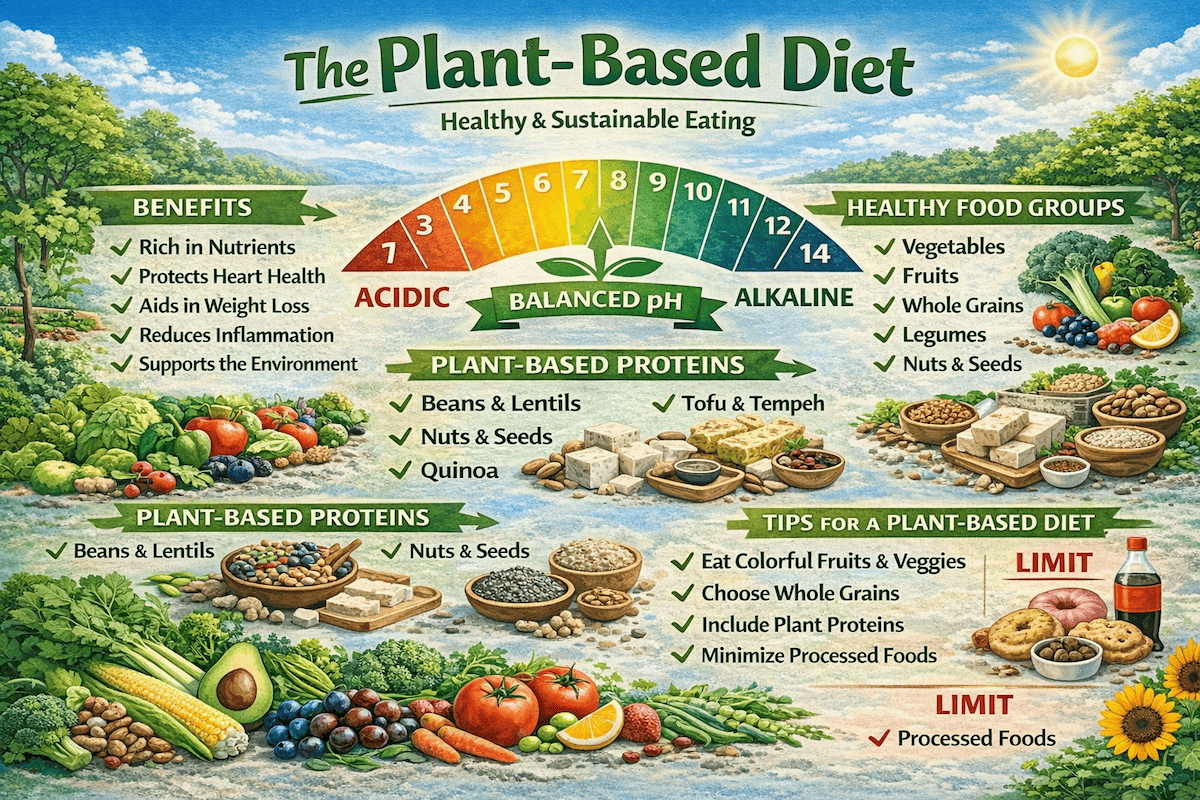
Share This Infographic
You are welcome to share this infographic on your website or blog.
Please include a link back to this page as the source.
What Is a Plant-Based Diet?
The term “plant-based diet” can mean different things depending on context. At its core, it describes a diet built primarily - or entirely - on plant foods. Variations include:
1. Whole food plant based diet
Emphasizes unprocessed or minimally processed plant foods, avoiding refined sugars, oils, and processed products.
2. Vegetarian diet
Excludes meat but may include dairy and eggs.
3. Vegan diet
Eliminates all animal-derived products, including meat, dairy, eggs, and often honey.
4. Flexitarian or demi-vegetarian diet
Focuses mainly on plant foods but allows occasional meat or fish.
While approaches differ, the common denominator is the prioritization of nutrient-rich plants. These diets are naturally lower in saturated fat, cholesterol, and animal protein, and higher in fiber, antioxidants, and phytochemicals, all factors that may contribute to reduced cancer risk.
Plant foods are loaded with antioxidants such as vitamins C and E, carotenoids, and polyphenols. These compounds neutralize free radicals, unstable molecules that damage DNA and initiate carcinogenesis. Diets rich in colorful vegetables and fruits provide a wide spectrum of antioxidants, creating a natural defense system against cancer development.
2. Fiber and Gut Health
One of the most significant cancer-protective elements of plant-based eating is dietary fiber. Found in fruits, vegetables, legumes, and whole grains, fiber supports digestion, regulates blood sugar, and fosters a healthy gut microbiome. A robust microbiome produces short-chain fatty acids like butyrate, which exhibit anti-inflammatory and anti-cancer properties. High fiber intake is strongly linked with reduced risk of colorectal cancer.
3. Phytochemicals With Anti-Cancer Properties
Plants synthesize thousands of bioactive compounds known as phytochemicals. Examples include flavonoids in berries, isoflavones in soy, sulforaphane in cruciferous vegetables, and lycopene in tomatoes. Many of these compounds modulate cell signaling, inhibit tumor growth, promote apoptosis (programmed cell death), and enhance detoxification of carcinogens.
4. Hormone Regulation
Some cancers, such as breast and prostate cancer, are hormone-sensitive. Diets high in animal fat and low in fiber can elevate estrogen and testosterone levels, increasing risk. Plant-based diets, by contrast, help regulate hormone metabolism. Soy, for example, contains phytoestrogens that may reduce the risk of hormone-driven cancers by competing with stronger natural estrogens at cellular receptors.
5. Reduced Inflammation
Chronic inflammation underlies many diseases, including cancer. Saturated fats, processed meats, and refined sugars fuel inflammatory pathways. Conversely, plant-based diets rich in omega-3 fatty acids (from flaxseeds, walnuts, chia seeds), antioxidants, and polyphenols reduce systemic inflammation, creating a less favorable environment for cancer growth.
Plant-Based Diets and Cancer Survivorship
For cancer survivors, diet plays an important role in recurrence prevention, managing treatment side effects, and improving overall quality of life. Studies show that survivors who follow plant-rich diets experience:
1. Lower recurrence rates
Breast and colorectal cancer survivors consuming more fiber, fruits, and vegetables have reduced recurrence and mortality.
2. Improved energy and weight management
Plant-based diets support healthy body weight, an important factor since obesity is linked to poorer outcomes.
3. Better management of treatment side effects
High-antioxidant diets may help reduce oxidative stress from chemotherapy and radiation, while fiber supports bowel regularity often disrupted by treatment.
The American Institute for Cancer Research (AICR) recommends a diet that is predominantly plant-based, with at least two-thirds of the plate filled with vegetables, fruits, whole grains, and legumes.
Addressing Common Concerns
1. Protein Adequacy
A frequent question is whether plant-based diets provide enough protein. The answer is yes, if properly planned. Legumes, lentils, tofu, tempeh, quinoa, nuts, seeds, and whole grains supply abundant protein and essential amino acids. For cancer patients whose protein needs are higher during treatment, dietitians often guide them in combining plant sources effectively.
2. Vitamin B12 and Other Nutrients
Vitamin B12, primarily found in animal products, is crucial for nerve function and red blood cell production. Those on strict vegan diets should supplement B12. Similarly, attention should be paid to vitamin D, iodine, iron, zinc, and omega-3 fatty acids, all of which can be obtained through fortified foods, supplementation, or strategic dietary planning.
3. Individualization During Treatment
While a plant-based diet offers many benefits, each patient’s needs differ. Some may require higher calorie or protein intake, and others may have treatment-related digestive challenges that temporarily limit fiber. Thus, collaboration with oncology dietitians ensures safety and adequacy.
Scientific Evidence on Plant-Based Diets and Cancer Prevention
1. Epidemiological Studies
Large population studies consistently link high consumption of fruits, vegetables, and whole grains with reduced cancer risk. For example, the EPIC (European Prospective Investigation into Cancer and Nutrition) study found that diets rich in fiber and plant foods lower colorectal cancer incidence.
2. Clinical Trials
Intervention studies also provide compelling evidence. In one trial led by Dr. Dean Ornish, men with early-stage prostate cancer who followed a vegan diet combined with lifestyle changes showed decreased cancer progression compared to controls.
3. Global Dietary Patterns
Populations consuming traditional plant-heavy diets, such as those in parts of Asia and the Mediterranean, tend to have lower cancer incidence rates compared to Western populations with meat-heavy diets.
Research over the past several decades has consistently linked plant-forward dietary patterns with improved long-term health outcomes. Diets rich in fruits, vegetables, legumes, whole grains, and nuts provide a wide spectrum of beneficial compounds—including fiber, antioxidants, polyphenols, and phytonutrients—that support metabolic health and help reduce chronic inflammation.
Fiber and the Gut Microbiome
Fiber plays an important role in supporting gut microbiome health. A diverse gut microbiome helps regulate immune function and may influence inflammatory pathways associated with cancer risk. Plant-based diets tend to be naturally higher in fiber, which can support healthy digestion and improve metabolic resilience over time.
Phytonutrients and Cellular Protection
Plant foods contain powerful phytochemicals such as flavonoids, carotenoids, and glucosinolates. These compounds are being studied for their potential ability to support cellular health by reducing oxidative stress and helping protect DNA from damage. Colorful vegetables, berries, citrus fruits, and cruciferous vegetables are common examples of phytonutrient-rich foods.
Mediterranean Diet Overlap
Many aspects of plant-based diets overlap with the
Mediterranean diet
pattern, which has been widely researched for its association with improved cardiovascular health and reduced chronic disease risk. Both approaches emphasize vegetables, fruits, legumes, nuts, and minimally processed foods—making the broader theme of plant-forward nutrition a consistent feature in long-term health research.
What the Research Really Suggests
While nutrition alone cannot prevent or cure cancer, a diet rich in whole plant foods may contribute to overall resilience by supporting immune function, reducing inflammation, and improving nutritional status. For education, encouragement, and practical resources, explore our
cancer support programs
and listen to the
Cancer Bites Podcast,
where survivors and experts share insights on healing, nutrition, and recovery. The most consistent finding across nutrition research is that whole, minimally processed plant foods—paired with evidence-based medical care—support overall wellness and long-term health.
Practical Tips for Transitioning to a Plant-Based Diet
1. Start gradually: Replace one meal per day with a plant-based option.
2. Emphasize whole foods: Choose beans, lentils, vegetables, and whole grains over processed vegan alternatives.
3. Eat the rainbow: Different colors provide different phytochemicals and antioxidants.
4. Plan for protein: Incorporate a variety of legumes, soy products, nuts, and seeds daily.
5. Use herbs and spices: Turmeric, garlic, ginger, and parsley offer flavor along with anti-cancer compounds.
6. Stay mindful of nutrients: Consider fortified plant milks and supplements for B12 and vitamin D.
7. Seek professional support: An oncology dietitian can tailor recommendations to individual health status.
The relationship between diet and cancer is complex, but the evidence supporting plant-based diets as protective is strong and growing. By providing antioxidants, fiber, phytochemicals, and anti-inflammatory nutrients, plant-based eating not only helps lower cancer risk but also supports survivors in recovery and long-term health. While no diet can guarantee prevention or cure, embracing plants as the foundation of daily meals is one of the most powerful choices individuals can make for cancer resilience and overall well-being.
Real-Life Testimonials: How Plant-Based Diets Helped People Facing Cancer
While research offers strong scientific backing, personal stories often bring the message to life. Many individuals who have faced cancer share that shifting to a plant-based diet gave them not only a sense of empowerment but also measurable improvements in their health and recovery.
1. Jeanette’s Journey: Regaining Strength After Breast Cancer
Jeanette, a 52-year-old breast cancer survivor, began a plant-based diet after completing chemotherapy. “I felt drained and weak, but once I transitioned to eating colorful vegetables, legumes, and fresh fruits, my energy started coming back,” she recalls. Within six months, she lost excess weight, her digestive system improved, and she found herself walking daily with more stamina. For Jeanette, a plant-based lifestyle became a cornerstone of long-term survivorship and confidence that she was reducing recurrence risk.
2. Marcus’ Experience: Prostate Cancer Management
Marcus, diagnosed with early-stage prostate cancer, adopted a vegan diet alongside his physician’s recommendations. Inspired by Dr. Dean Ornish’s clinical research, he cut out red meat and dairy, replacing them with lentils, soy foods, and leafy greens. “My PSA levels stabilized, and my doctor said the cancer had not progressed,” Marcus explains. He also reported lower blood pressure and weight loss, further reducing overall health risks.
3. Priya’s Recovery: Reducing Treatment Side Effects
Priya, a 39-year-old lymphoma patient, embraced a whole-food plant-based diet while undergoing chemotherapy. “The nausea and fatigue were overwhelming, but eating light meals of vegetable soups, smoothies, and whole grains made my body feel supported,” she says. She also found that anti-inflammatory foods like turmeric and ginger teas soothed her digestive discomfort and gave her strength to complete treatment cycles.
4. The Evidence in Survivor Communities
Many cancer support groups echo these experiences. Online forums and local wellness programs frequently highlight that survivors who adopt plant-based eating notice:
• Reduced inflammation and joint pain.
• Better weight management, which is crucial since obesity raises recurrence risk.
• Improved mood and energy, often linked to stable blood sugar and gut health.
Food Group
Key Nutrients
Health Benefits
Leafy Greens
Folate, carotenoids
Support cellular health
Legumes
Protein, fiber
Gut microbiome support
Whole Grains
Fiber, B vitamins
Metabolic health
Nuts and Seeds
Healthy fats, antioxidants
Inflammation reduction
Frequently Asked Questions
Can a plant-based diet help reduce cancer risk?
Research consistently links plant-forward dietary patterns with improved long-term health outcomes. While no diet can prevent or cure cancer, diets rich in vegetables, fruits, legumes, whole grains, nuts, and seeds may support lower inflammation, healthier metabolism, and better overall nutrition—factors often associated with reduced chronic disease risk.
What foods are included in a plant-based diet?
A plant-based diet emphasizes whole plant foods such as vegetables, fruits, legumes, whole grains, nuts, seeds, and herbs and spices. Many people also include small amounts of animal foods, but the majority of calories come from minimally processed plant sources.
Is a plant-based diet the same as vegan?
Not always. Vegan diets exclude all animal products. Plant-based eating typically means focusing most meals on plant foods, but it may still include some animal foods depending on personal preference, culture, or medical guidance.
What nutrients should I pay attention to on a plant-based diet?
Common nutrients to plan for include protein, iron, calcium, vitamin B12, vitamin D, omega-3 fats, iodine, and zinc. A balanced approach using legumes, whole grains, nuts, seeds, leafy greens, and fortified foods can help meet needs. If you are in cancer treatment or recovery, consider consulting a registered dietitian for personalized guidance.
How do plant-based diets support gut health?
Plant foods are naturally high in fiber, which feeds beneficial gut bacteria. A diverse gut microbiome helps support digestion and immune function and may influence inflammation pathways. Over time, consistent fiber intake from whole plant foods can help improve gut health and overall metabolic resilience.

.png)
.png)
.png)

.png)