Public Health • Water Safety • Disease Prevention
Bacterial Disease: Outbreaks of Cholera and Typhoid
Last updated: March 2026
Cholera and typhoid are waterborne bacterial diseases that spread through contaminated food and water, posing serious risks in areas with limited sanitation and clean water access.
Quick answer: Cholera and typhoid are bacterial infections spread through contaminated water and food, causing severe digestive illness and potentially life-threatening complications without proper treatment and sanitation.
What Are Cholera and Typhoid?
Cholera and typhoid are infectious bacterial diseases that affect the digestive system. They are most commonly transmitted through contaminated drinking water or food, particularly in regions where sanitation systems are limited or compromised.
Definition: Waterborne diseases are illnesses caused by pathogens that spread through contaminated water, often due to poor sanitation, unsafe drinking water, or inadequate hygiene practices.
Both diseases can lead to serious complications if untreated, including dehydration, fever, and systemic infection. In vulnerable populations—especially children and those with limited access to healthcare—the risks are significantly higher.
Did you know? Access to clean drinking water and proper sanitation is one of the most effective ways to prevent outbreaks of cholera and typhoid.
How Cholera and Typhoid Spread
Cholera and typhoid spread through the ingestion of contaminated food or water, often due to unsafe water sources, poor hygiene, or inadequate sanitation infrastructure. Outbreaks are more likely to occur in areas affected by disaster, displacement, or limited access to clean water.
In these environments, the breakdown of sanitation systems can allow bacteria to spread quickly, increasing the risk of widespread illness.
Why Water and Sanitation Matter
Preventing these diseases depends heavily on safe water access, sanitation systems, and hygiene practices. Clean water for drinking, cooking, and washing is essential to reducing transmission and protecting public health.
Education around hygiene and safe food handling also plays a critical role in limiting the spread of infection, especially in high-risk environments.
Growing To Give’s Public Health Role
Growing To Give supports public education on safe water, sanitation, and food system resilience as part of a broader mission to improve community health. By integrating water-smart systems and sustainable food production, communities can reduce exposure to waterborne diseases and strengthen long-term resilience.
Important: This page is intended for informational and educational purposes only. Preventing cholera and typhoid begins with access to clean water, proper sanitation, and community awareness.
What is the difference between cholera and typhoid?
Cholera and typhoid fever are often discussed together because both can spread through contaminated water or food. However, they are caused by different bacteria and affect the body in different ways. Understanding the differences can help communities respond faster, reduce risk during outbreaks, and prioritize the right prevention strategies.
| Feature |
Cholera |
Typhoid Fever |
| Causative Bacteria |
Vibrio cholerae |
Salmonella enterica serotype Typhi |
| Primary Transmission |
Contaminated water, poor sanitation, unsafe food |
Contaminated food or water, often via infected food handlers |
| Main Symptom |
Severe watery diarrhea (“rice-water stool”) |
Prolonged high fever |
| Other Symptoms |
Vomiting, rapid dehydration, muscle cramps, low blood pressure |
Headache, abdominal pain, constipation or diarrhea, weakness, rash (rose spots) |
| Typical Onset |
Sudden (hours to 2 days) |
Gradual (often 6–30 days after exposure) |
| Highest Immediate Risk |
Severe dehydration and shock (can be life-threatening fast) |
Intestinal complications and systemic infection if untreated |
| Treatment Focus |
Immediate oral/IV rehydration; antibiotics in some cases |
Antibiotics plus supportive care |
| Vaccine Available? |
Yes (oral cholera vaccines) |
Yes (injectable and oral typhoid vaccines) |
| Prevention Strategy |
Safe drinking water, sanitation, hygiene (WASH) |
Safe water, food hygiene, handwashing, vaccination in risk areas |
Community Prevention Focus:
Preventing cholera and typhoid begins with safe water systems, proper sanitation, hand hygiene, and responsible food handling. Growing To Give integrates these WASH principles into community garden design and food security programs in vulnerable regions.
How to Tell the Difference Quickly
If a person develops sudden, severe watery diarrhea with signs of dehydration (extreme thirst, weakness, dizziness), cholera should be considered. If a person develops a persistent high fever over days with abdominal symptoms, typhoid fever may be more likely. Both conditions require medical care—especially if symptoms are severe, persistent, or occur during an outbreak.
Authoritative sources:
Centers for Disease Control and Prevention (CDC).
Cholera – Vibrio cholerae Infection
.
Centers for Disease Control and Prevention (CDC).
Typhoid Fever – Salmonella Typhi Infection
.
Contaminated Food and Water: Breeding Grounds for Cholera
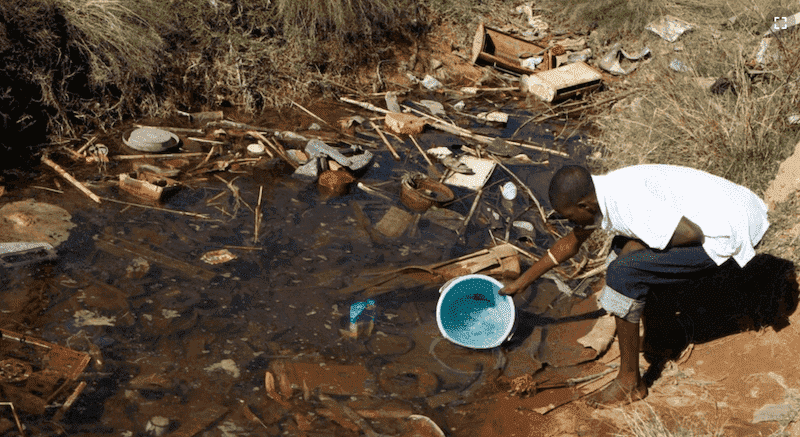
Symptoms of Cholera appear quickly as severe diarrhea and vomiting and if the disease is untreated can rapidly progress to dehydration pose a serious threat to life. Bacterium Vibrio cholerae, breeds in contaminated food and water and spreads as people drink or prepare food using the polluted water. Regions of the world that lack sufficient sanitation, including
refugee camps and zones affected by natural calamities, often experience frequent cholera outbreaks.
Typhoid: Fecal Matter in the Water Supply
Typhoid fever infects impoverished areas of the world, where the few natural water sources that exist are polluted and toxic. Outbreaks occur frequently in Africa, India, Pakistan, and Bangladesh each of the last 50 years. Early symptoms include fever, headache, and stomach pain and as the disease advances, additional symptoms like diarrhea or constipation, along with weakness and exhaustion may appear. Like other waterborne bacteria, it multiplies in stagnant water, waiting to be ingested by unsuspecting victims. Fecal matter in the water supply is the main reason for outbreaks of Typhoid, which is difficult to suppress in densely populated urban areas like a refugee camp.
Treatment Protocols for Cholera and Typhoid
Antibiotics such as doxycycline and azithromycin are commonly employed in the treatment of cholera. These are particularly effective if the patient can consistently access clean drinking water for a minimum duration of three weeks. Typhoid, on the other hand, is routinely addressed with azithromycin, which has shown greatest efficacy when the infected individual is able to leave the contaminated environment for at least one month. However, an important issue to note is the development of resistance over time due to the continuous use of these and similar antibiotics, thereby reducing their effectiveness. The most reliable strategy for combating both cholera and typhoid, however, lies not in treatment, but in prevention. This can be achieved by maintaining proper sanitation standards and ensuring access to safe drinking water.
Immunization: Precautions for Visitors Travelling to areas infected with Cholera and Typhoid
In regions where cholera and typhoid are prevalent, visitors are advised to get their immunization shots before they travel. It is also recommended that visitors bring in their own bottled water and packaged food. However. visitors should be cautious and aware of the risk that these precious items could be stolen by black market dealers or people just trying to survive. Visitors should remain in the designated “safe-zones” within the infected areas for their own safety and should never eat raw or prepared food. It is suggested that visitors wear gloves and refrain from touching their face, even when wearing protection.
Six Common Waterborne Bacterial Infections that Occur right here in America:
⚕ Shigellosis: Symptoms include diarrhea, abdominal cramping, and fever, which manifest during the first day after infection. Shigellosis, like most water source bacteria is transmitted by drinking water tainted with fecal matter deposited from those infected.
⚕ E. coli infection: Similarly, E. coli, is borne from standing water polluted with animal and human fecal matter and typically spreads from the eating of
field grown vegetables
washed using this tainted water.
⚕ Campylobacteriosis: Is a type of infection associated with the poultry industry and more specifically, factory farms and the poultry processing industry. Outbreaks occur when chicken manure gets into the water supply used to process the poultry.
⚕ Leptospirosis: LThis is an infection that first manifests as a fever, then a headache, muscle soreness, and finally vomiting. Leptospirosis outbreaks are rare in North America but common in Asia where a wide array of rodents is consumed. This bacterium thrives in water tailed with the urine of infected animals, especially rodents.
⚕ Listeriosis: Listeria is the most common of the water borne bacteria due to the inability to keep water sterile throughout the sorting, cleaning, preparation, and packaging stages of food processing. Listeria is introduced into the food supply from the soil and is difficult to detect and clean since the bacteria may be imbedded deep into the vegetable.
Prevention: The Growing, Processing and Cooking of Food
Avoiding outbreaks of waterborne diseases hinges on the adoption of proper sanitation and clean water use during the growing, processing and cooking of food.
Natural Filtration & Public Health: How the Spiral River Project Reduces Waterborne Risk
Many outbreaks of cholera and typhoid begin with contaminated surface water. When sewage, animal waste, or runoff enters rivers and irrigation systems, harmful bacteria can spread quickly through drinking water and food systems.
The Spiral River Project is designed to help guard against these risks by restoring natural water filtration processes that have been degraded in many regions.
Spiral River systems function as living filtration corridors. Through a combination of wetlands restoration, riparian plantings, soil regeneration, and slowed water movement, these systems:
💧 Encourage sediment settlement and natural microbial breakdown
💧 Support beneficial wetland bacteria that help reduce pathogen loads
💧 Filter runoff before it enters downstream food-growing zones
💧 Improve groundwater recharge and water clarity
💧 Reduce stagnant pooling where harmful bacteria can multiply
Healthy, functioning riparian ecosystems act as nature’s purification system. By restoring ecological balance, communities reduce the likelihood that contaminated water will reach households, irrigation systems, and fresh produce.
While no ecological intervention replaces proper sanitation infrastructure, combining natural filtration with safe water practices, hygiene education, and responsible food handling creates layered protection against waterborne diseases.
Growing To Give integrates these regenerative water strategies with WASH education and community food system planning to strengthen long-term resilience in vulnerable regions.
Scientific research supports the role of wetlands and restored riparian ecosystems in improving water quality. The U.S. Environmental Protection Agency (EPA) notes that wetlands can help remove sediments, nutrients, and certain pathogens through natural biological and physical filtration processes. Similarly, the World Health Organization (WHO) emphasizes that protecting water sources and reducing fecal contamination are core components of preventing waterborne diseases such as cholera and typhoid. Ecosystem-based water management, when combined with sanitation infrastructure and hygiene practices, strengthens long-term community resilience.

.png)
.png)
.png)

.png)